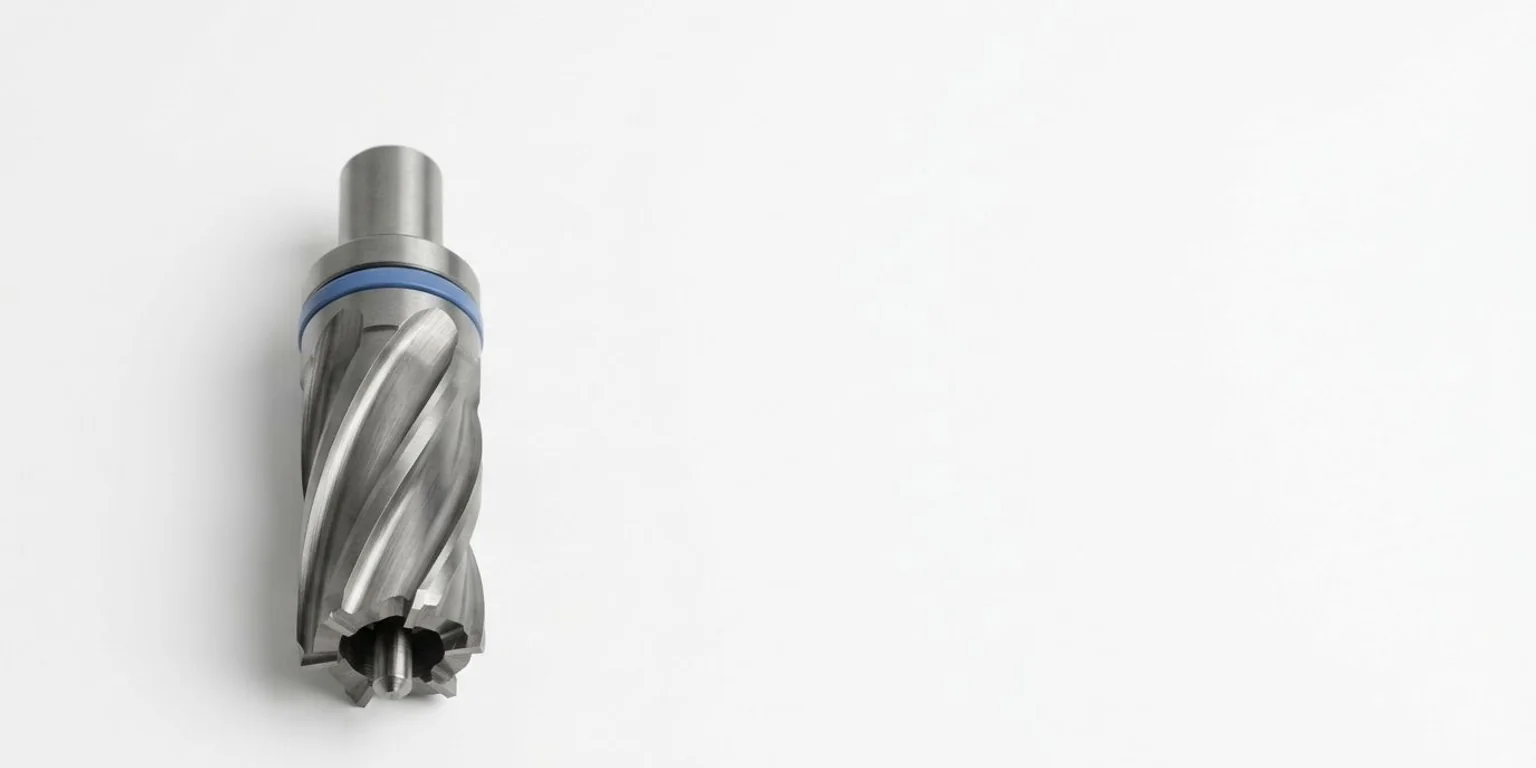
Professional drilling, cutting and abrasives
The Drilling, cutting & abrasives category offers a selection of technical tooling designed for machining operations and surface preparation. This range brings together precision instruments and abrasion solutions tailored to industrial requirements, enabling drilling work to be carried out on various materials as well as efficient finishing, cleaning and sanding operations on mechanical parts.
About Drilling, cutting & abrasives
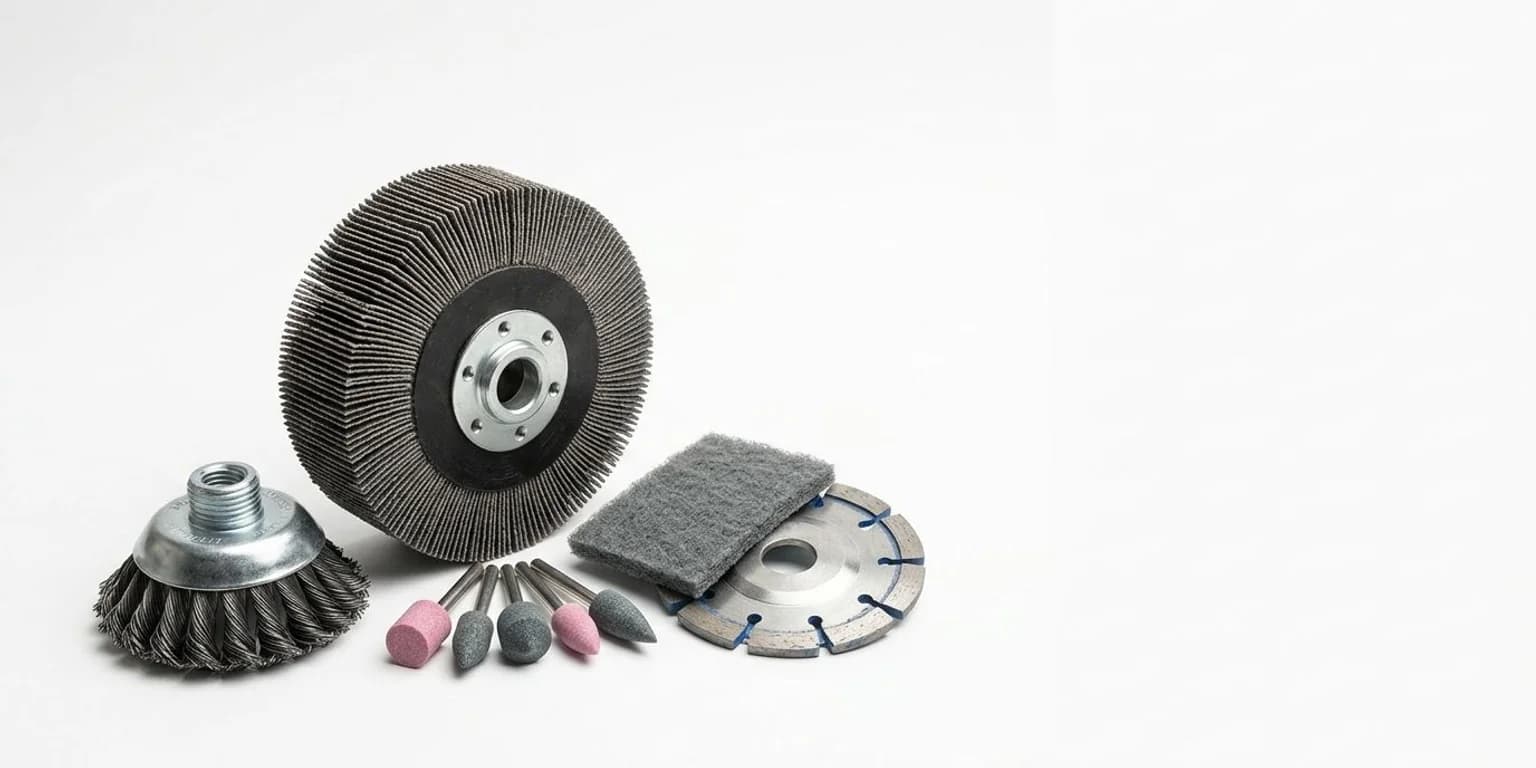
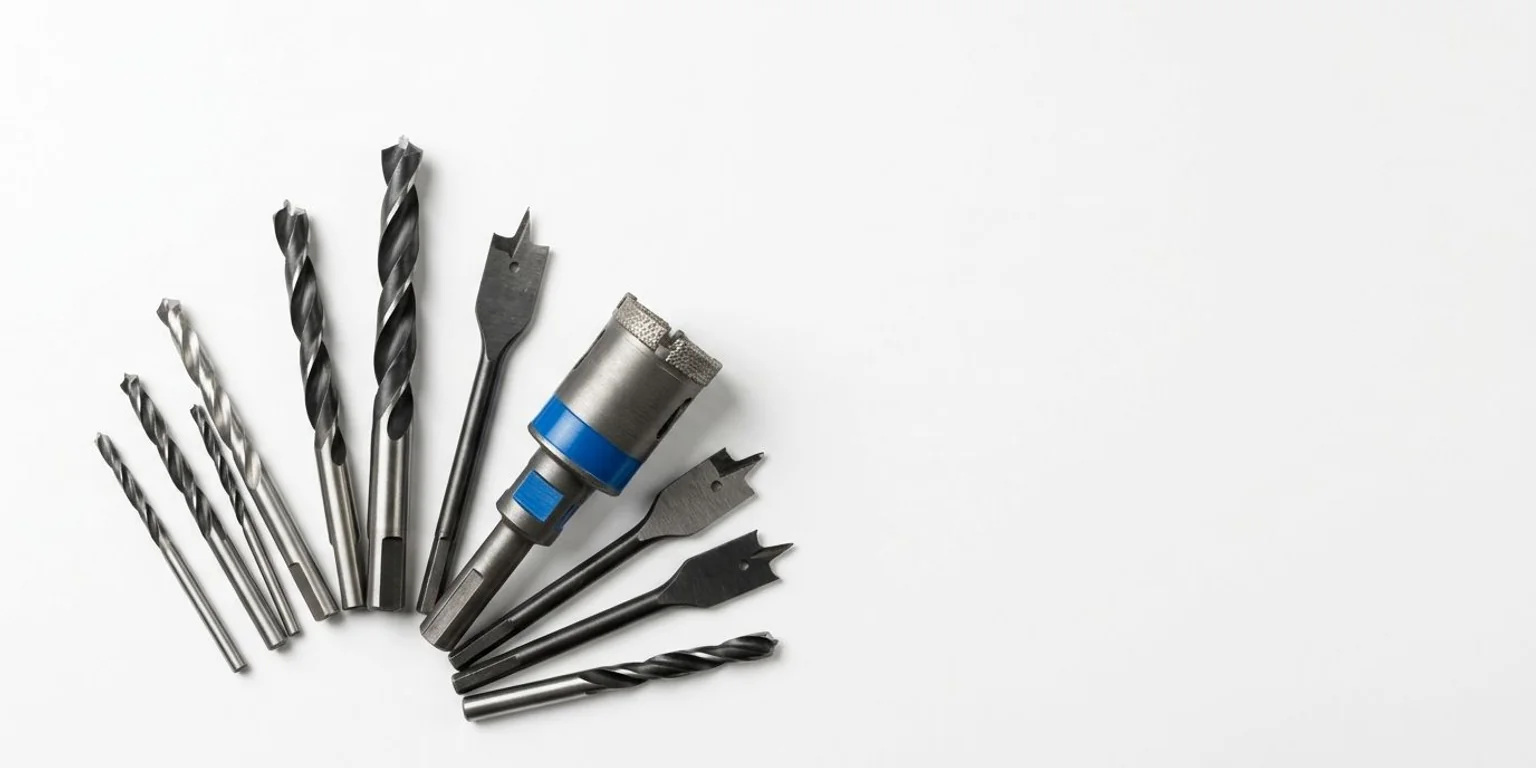
The equipment in this technical family is divided mainly into two areas of application: material removal work using drill bits, drills & hole saws, and surface treatment operations carried out with abrasives & brushes. Drill bits, particularly those compliant with the DIN 338 standard for short twist drill models, are designed for metal machining, offering a geometry suited to the precision required in an industrial environment. The choice of cutting tool depends on the hardness of the material, the desired machining depth and the type of machine used.
The abrasives & brushes segment encompasses a wide range of solutions for grinding, deburring or polishing. To ensure safe use, products complying with the EN 12413 standard regarding safety requirements for bonded abrasive products should be selected. The selection is made according to the expected finish roughness, the shape of the workpiece to be treated and the nature of the substrate. The match between the chosen abrasive and the rotation speed of the handheld tool is a decisive criterion for ensuring the durability of the equipment and the consistency of the result obtained.
Frequently asked questions — Drilling, cutting & abrasives
How do I choose between drill bits and abrasives for my project?
The choice depends on the technical operation required. The drill bits, drills & hole saws family is used for machining by material removal, particularly for drilling and creating bored holes in industrial materials. Conversely, the Abrasives & brushes range is dedicated to surface treatment operations such as grinding, deburring or polishing. It is therefore necessary to determine whether your need is structural or related to the finished condition of the workpiece.What are the criteria for selecting a cutting tool that complies with standards?
For drilling operations, the selection of a tool such as a short twist drill bit must comply with the DIN 338 standard to guarantee precision in an industrial environment. Performance will then depend on the hardness of the material, the machining depth and the machine used. Regarding the solutions in the Abrasives & brushes category, it is essential to comply with the EN 12413 standard, which defines the safety requirements for bonded abrasive products, in order to guarantee safe use.How important is rotation speed when using abrasives?
The match between the chosen abrasive and the rotation speed of the handheld tool is a decisive criterion in the Abrasives & brushes range. Compliance with these technical parameters ensures the durability of the equipment used as well as the consistency of the result obtained on metal or composite parts. An incorrect match can impair the effectiveness of grinding or polishing, making it essential to check the recommended usage parameters for each piece of equipment before any operation.Can I use abrasives to create fixing holes?
No, abrasives are not suitable for this function. Creating holes for fixings and bored holes falls exclusively within the Drill bits, drills & hole saws range. The solutions in the Abrasives & brushes family are designed to adjust surface condition, perform industrial cleaning or finish parts. To ensure the consistent precision required for fixings, it is necessary to use the cutting tools specifically distributed by MecaIndus for material removal work.
Drilling, cutting & abrasives category
Drill bit
Black drill bit
Forest fire
Fontainebleau forest
Auchan small drill bit
The call of the forest