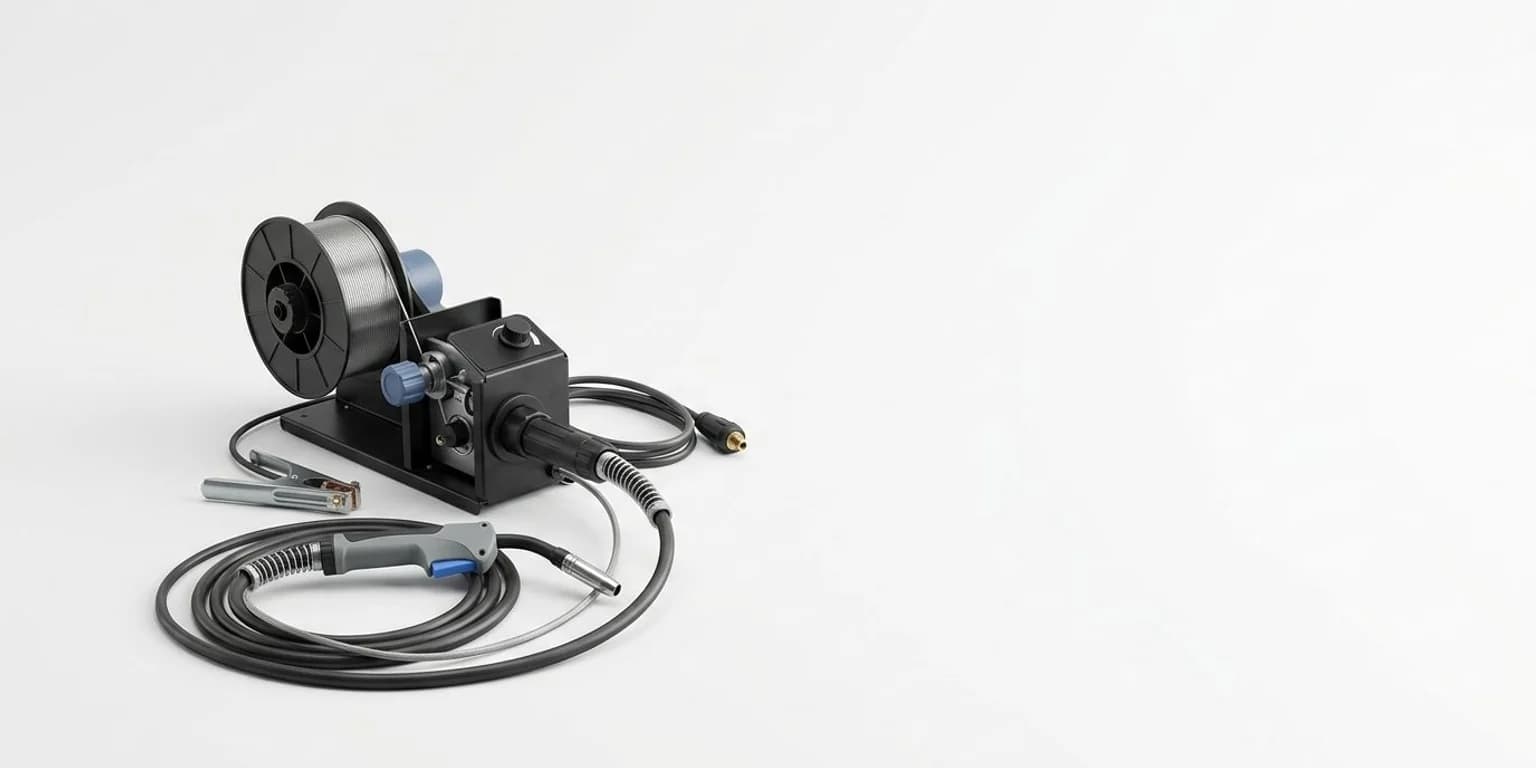
Welding and oxy-cutting equipment
The MecaIndus Welding & metallurgy range brings together equipment and consumables intended for metal assembly, cutting and transformation operations. This technical selection meets the precision and reliability requirements of industrial workshops and maintenance activities. It covers all needs related to welding and oxy-cutting to ensure the strength and durability of the metal structures produced.
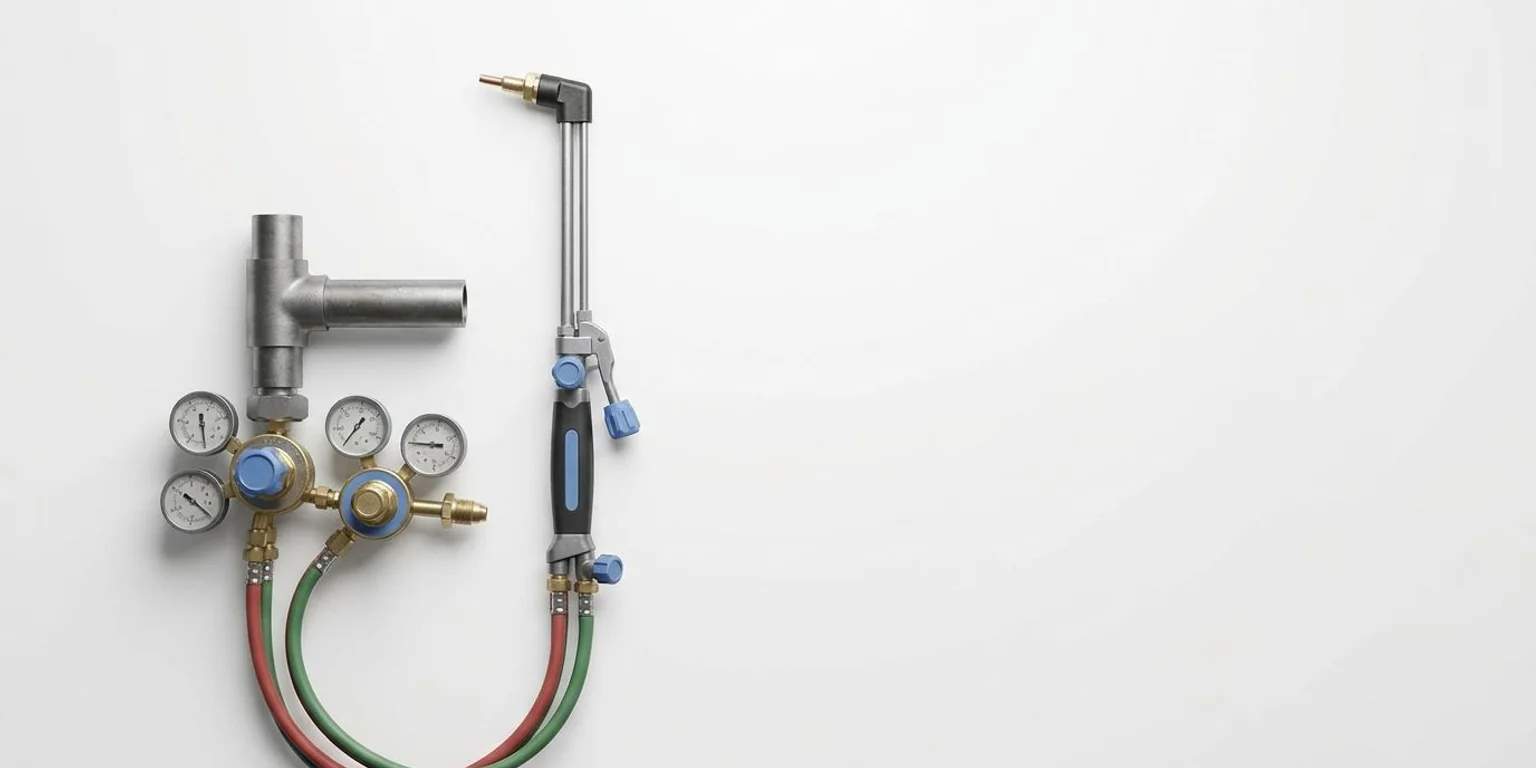
About Welding & metallurgy
The welding and metallurgy sector requires tools suited to the materials being processed and to the specific implementation methods. Our catalogue is built around the Welding & oxy-cutting sub-family, which gathers the technical devices essential to on-site or workshop operations. The selection is designed to withstand the thermal and mechanical stresses inherent to these operations, ensuring efficient operational continuity.
The choice of equipment must be based on the nature of the alloys to be joined, the thickness of the workpieces and the chosen welding technique. When using covered electrodes for manual arc welding of steels, reference must be made to EN ISO 2560 to select consumables suited to the steel grade and joint configuration. The distinction between equipment dedicated to arc welding and that reserved for oxy-cutting is fundamental to comply with technical safety procedures. The compatibility between generators, torches, regulation accessories and consumables is the determining criterion for arc stability and the quality of the metallurgical fusion. Accurately identifying the characteristics of the process, whether fusion welding or thermal cutting, governs the optimisation of working parameters.
Frequently asked questions — Welding & metallurgy
How to choose between arc welding and oxy-fuel cutting?
The choice between these two techniques depends on the nature of your operation. The Welding & oxy-cutting sub-family offers tools suited to arc welding for the manual assembly of steels, whereas oxy-fuel cutting is specifically reserved for cutting metals. It is essential to distinguish between these types of equipment, as the technical devices and safety procedures differ depending on whether you are producing a weld bead or carrying out thermal cutting.What are the criteria for selecting welding electrodes?
When using covered electrodes for manual arc welding of steels, your selection must be based on the grade of the steel being processed and the specific configuration of the joint to be produced. To ensure compliance of your operations, reference must be made to EN ISO 2560. This standard makes it possible to identify suitable consumables, thereby ensuring the arc stability and metallurgical fusion quality required in industrial environments.Is accessory compatibility important for welding?
Yes, compatibility between generators, torches, regulation accessories and consumables is the determining criterion for any welding or oxy-cutting operation. This technical consistency ensures not only arc stability, but also the precision of weld beads and the efficiency of workpiece cutting. Accurate identification of the characteristics of your welding or thermal cutting process is essential to guarantee consistent fusion quality.Which equipment should be favoured for workshop metallurgy work?
For metallurgy work requiring reliability and control, the Welding & oxy-cutting sub-family brings together the tools essential for the assembly, cutting and thermal treatment of metals. These technical solutions are designed to withstand the thermal and mechanical stresses inherent to industrial operations. Your selection must take into account the nature of the alloys to be processed, the thickness of the workpieces concerned and the chosen welding technique to ensure operational continuity.
Welding & metallurgy category
Welding machine
MIG welding machine
Laser welding machine
Welding mask
Arc welding machine
TIG welding machine