LOC2064460

Sealing & Gaskets for Industrial Maintenance
This range dedicated to sealing and gaskets brings together the solutions required to maintain the integrity of mechanical assemblies. The selected products, including solutions from the LOCTITE, SIRIUS and VIRAX brands, ensure leak prevention and the preservation of functional properties in industrial systems. They help secure installations against environmental aggression while sustaining equipment performance over the long term.
Marques disponibles en sealing & gaskets
Affichage 1–9 sur 9 références

LOC2069180
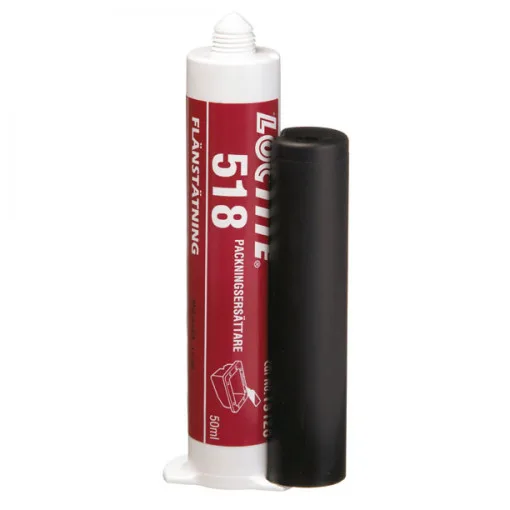
Unijoint LOCTITE 518 50 ml

LOC234422
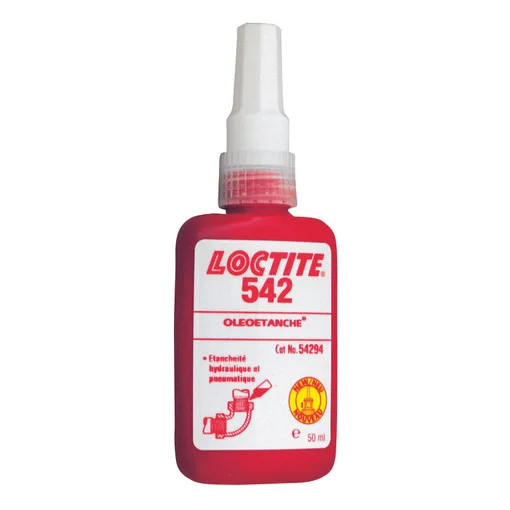
Etanchéité des raccords oléoétanche 542 flacon 50 ml
LOC528244
Fibre étanche 50 m

SIR122900
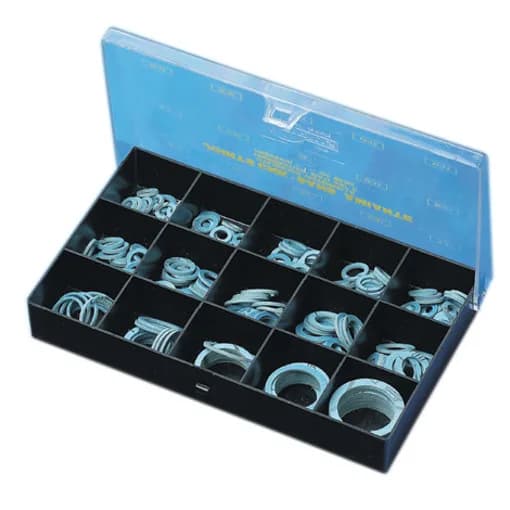
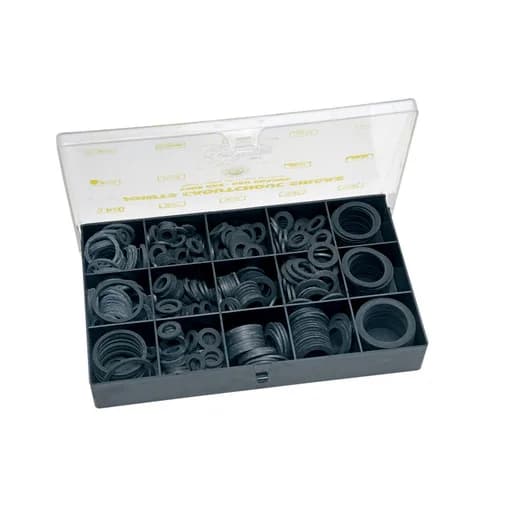
Joint CNK bleu (coffret de 245)

SIR179900
Joint Sirius caoutchouc EPDM ACS (coffret de 490)

SIR189900
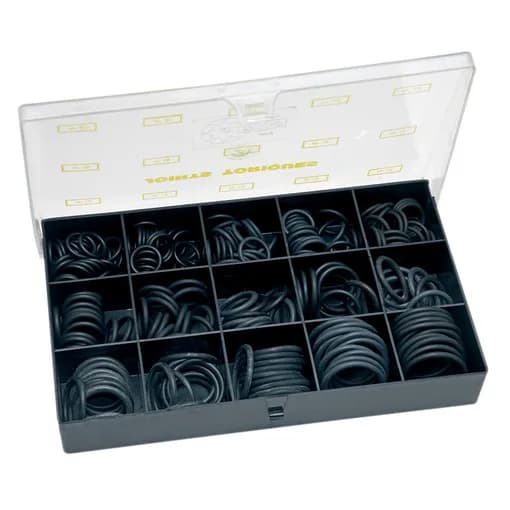
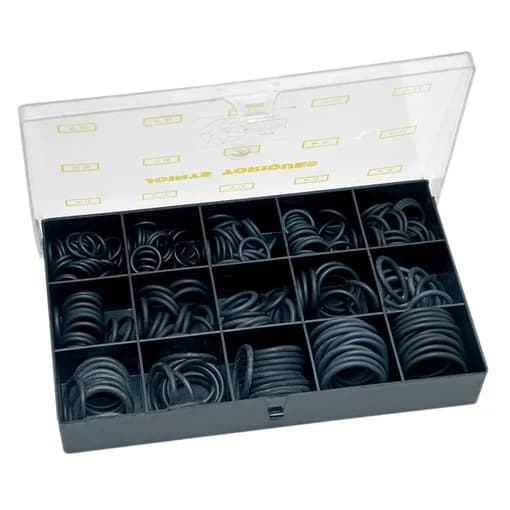
Joint torique PM ACS (coffret de 230)

SIR199900
Joint torique GM ACS (coffret de 255)

VIR262600
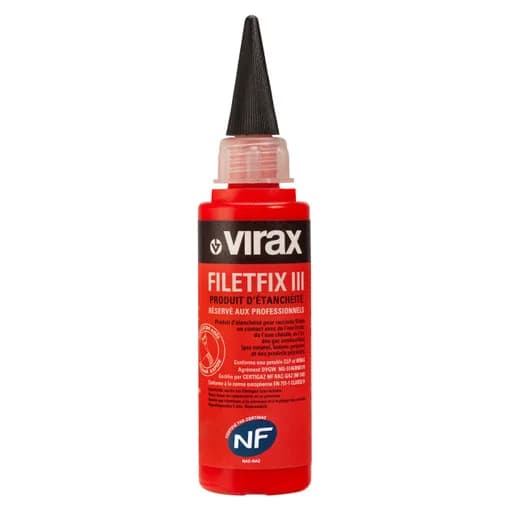
Resine d'etancheite pour raccord filete Filetfix III
About Sealing & Gaskets
The sealing and gaskets category is a cornerstone of industrial maintenance, aiming to guarantee the isolation of mechanisms and protection against fluids. MecaIndus offers a diversified technical selection including adhesives and glues, surface treatment products, as well as lubrication solutions such as greases and release agents. For demanding environments, the range also includes automatic lubricators. The choice of these solutions is based on precise criteria such as chemical compatibility, thermal resistance, operating pressure and the nature of the materials in contact.
When using lubricating greases, it is essential to refer to standardised classifications to ensure the product is suited to the application. Grease consistency is defined by the NLGI classes, ranging from grade 000 to grade 6. The ISO 6743-9 classification makes it possible to precisely identify the lubricating properties required according to operating conditions, while the DIN 51825 standard specifies type K greases for defined industrial uses. Product selection must take operational constraints into account, including load cycles and exposure to chemical agents, in order to prevent any premature failure of sealing systems.
Frequently asked questions — Sealing & Gaskets
How do I choose the right NLGI consistency class for my sealing systems?
The choice of NLGI class depends directly on the operating conditions of your industrial application, ranging from grade 000 to grade 6. This classification defines the grease consistency required to ensure optimal lubrication of mechanisms while preserving the integrity of sealing systems. A rigorous selection prevents premature failures linked to load cycles and ensures long-lasting protection against fluids. It is imperative to comply with these technical criteria to guarantee chemical and thermal compatibility with the materials in contact.What are the key criteria for ensuring compatibility between a grease and an industrial application?
Selecting a lubrication solution relies on several critical technical parameters identified in the introduction to our category. You must take into account chemical compatibility, thermal resistance, operating pressure as well as the precise nature of the materials in contact within your mechanism. Using the ISO 6743-9 classification makes it possible to identify the lubricating properties required for your specific operating conditions. Failure to comply with these operational constraints, including exposure to chemical agents, may lead to premature failure of components.When should I prioritise sealing solutions over standard lubricating greases?
The sealing and gaskets category is a cornerstone of industrial maintenance, primarily aimed at isolating mechanisms and providing protection against fluids. If your requirement concerns pure sealing, these solutions are recommended. However, if your objective is to reduce friction, lubricating greases, classified under DIN 51825 for type K greases, should be preferred. MecaIndus also offers automatic lubricators for demanding environments requiring continuous lubrication without manual intervention.What does the DIN 51825 classification mean for industrial greases?
The DIN 51825 standard specifies type K greases intended for industrial uses clearly defined in our technical documents. This standardisation ensures a precise match between the product and your application, thereby guaranteeing the proper operation of lubricated systems. By combining this reference with the NLGI classes ranging from grade 000 to grade 6, you can accurately determine the consistency and lubricating properties suited to your needs. Compliance with these standardised benchmarks is essential to prevent any risk associated with the operational constraints of your equipment.How do I prevent failures of sealing systems linked to operating conditions?
Preventing premature failures relies on a selection based on the actual constraints of your industrial environment. It is necessary to check the thermal resistance, operating pressure and exposure to chemical agents of the components chosen. For greases, the use of the ISO 6743-9 classification makes it possible to validate the lubricating properties required to withstand the load cycles encountered. This technical approach, based on material characteristics and applicable standards, is the only reliable method to ensure effective protection of your mechanisms.
Sealing & Gaskets category
Adhesives, glues and surface treatment products
NLGI classes and grease consistency
ISO 6743-9 and DIN 51825 standards
Automatic lubricators for demanding environments