Industrial Automation and Control
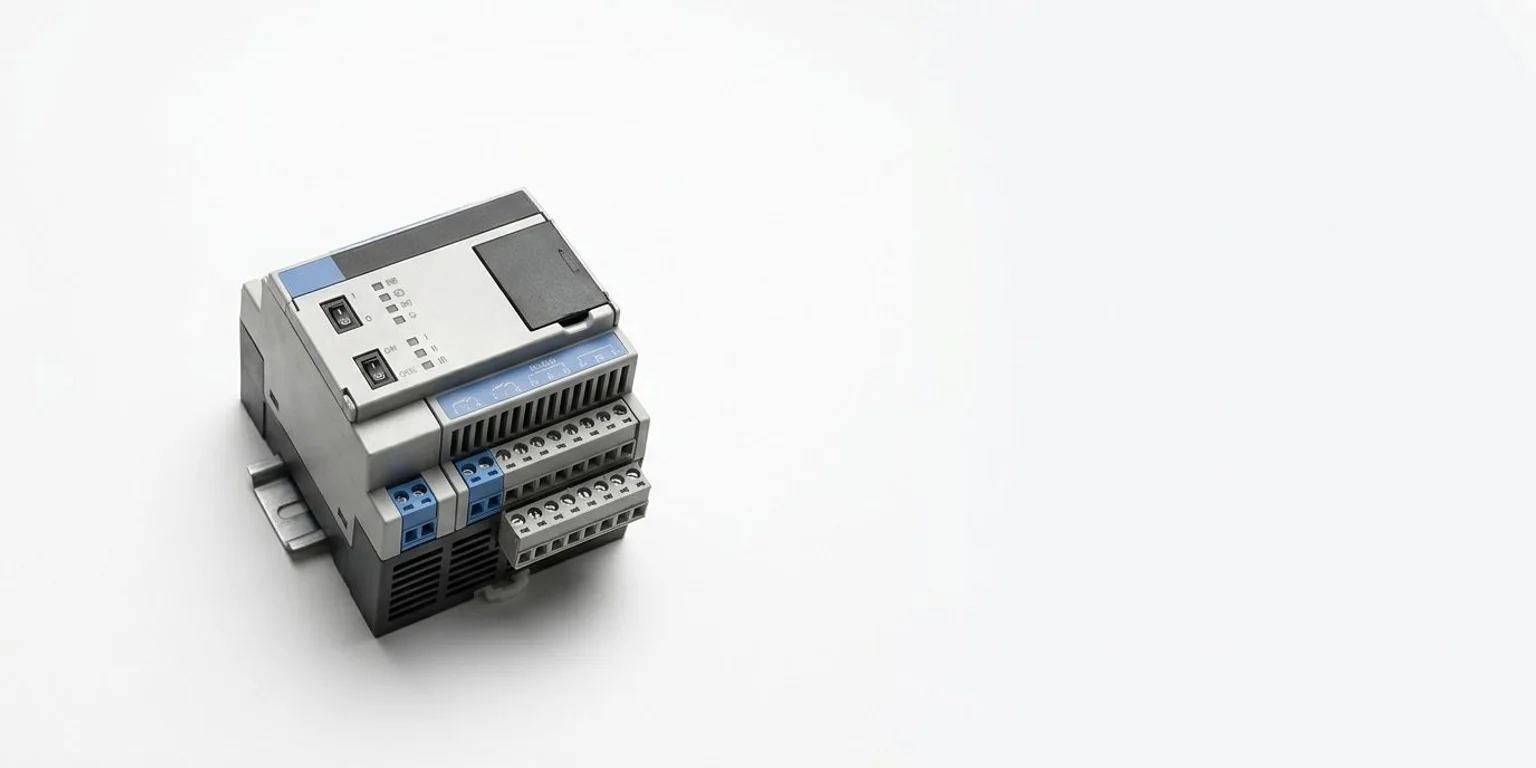
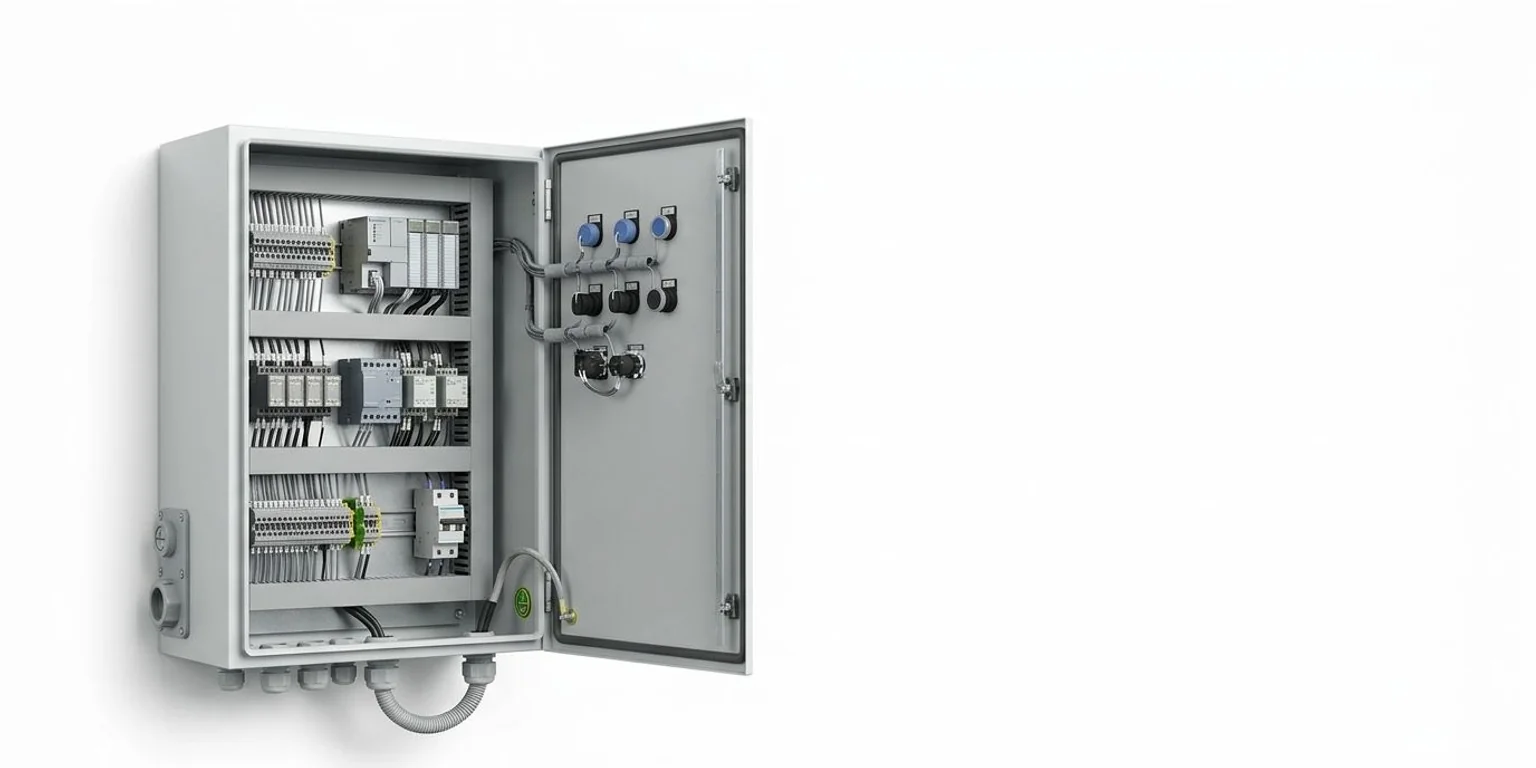
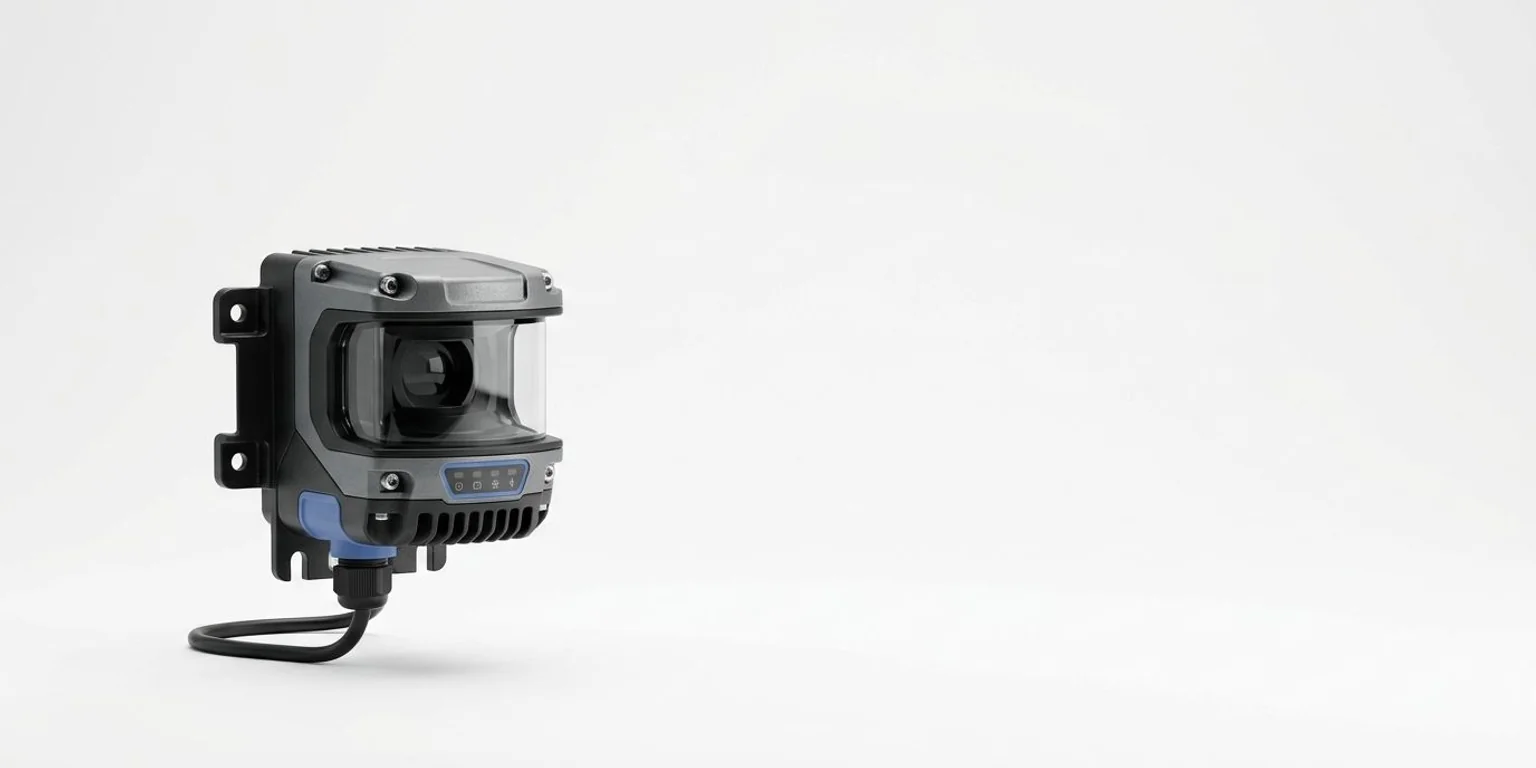
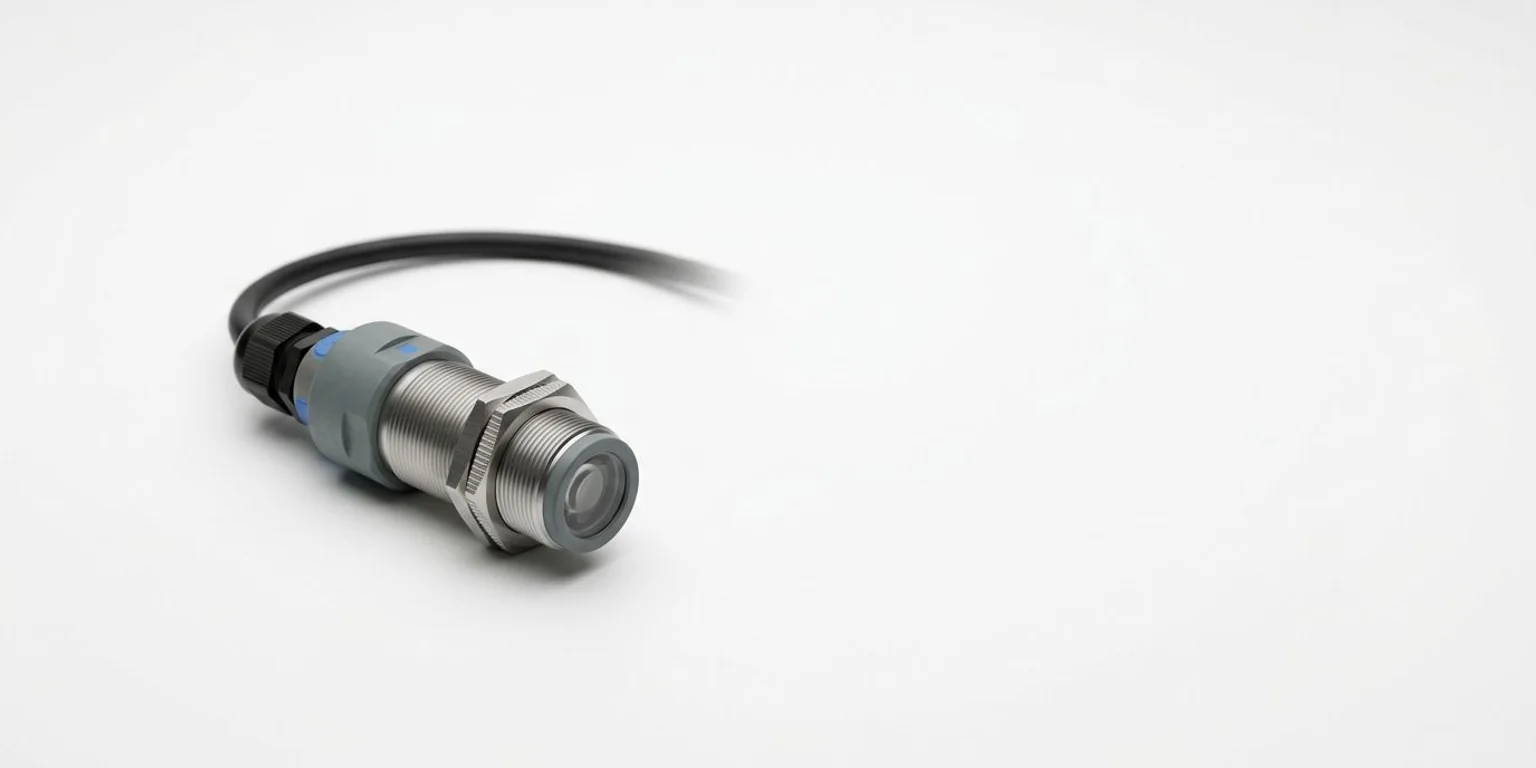
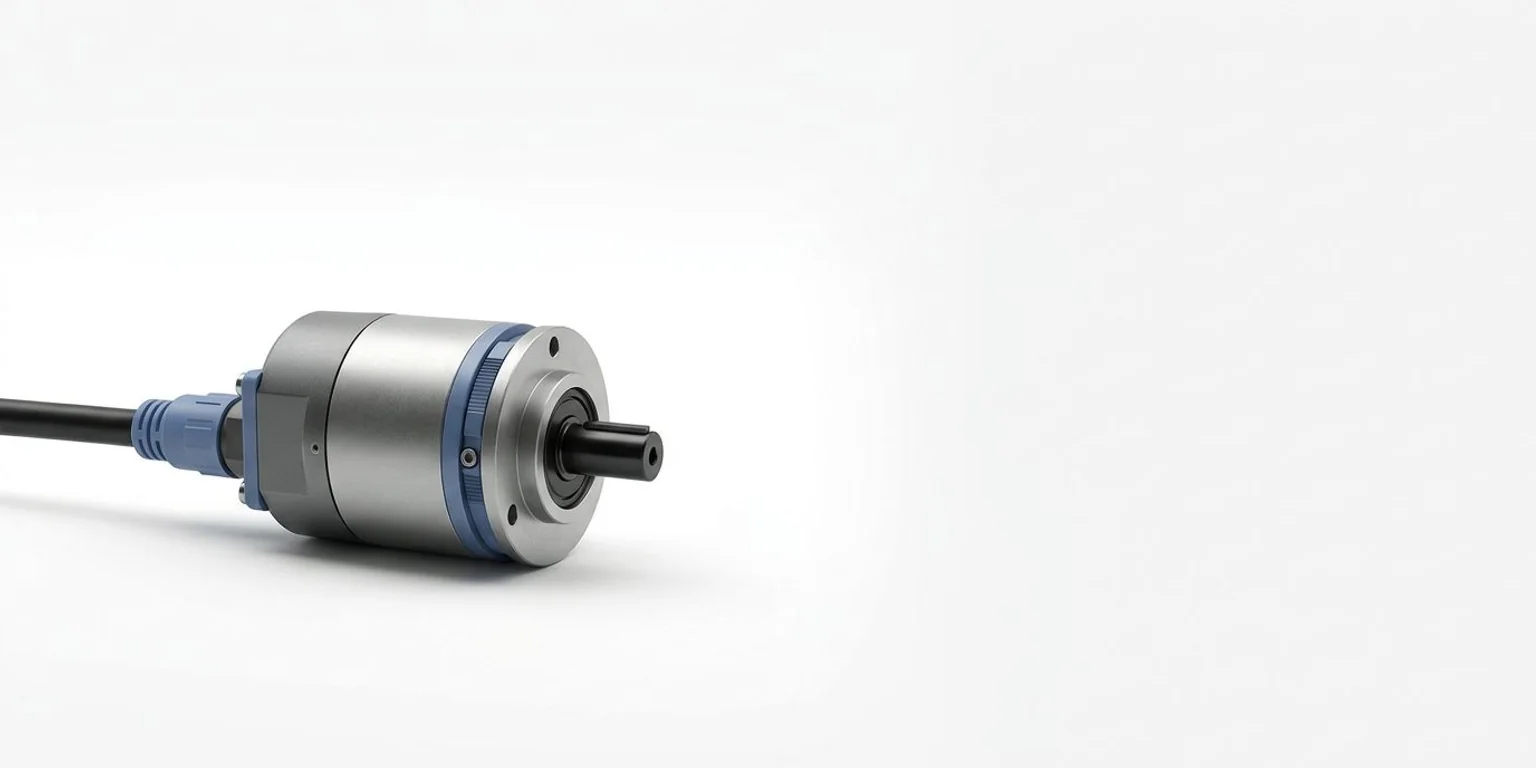
Automation and control encompass the components that detect, measure and drive industrial machinery. FIT distributes sensors (inductive, capacitive, photoelectric, ultrasonic), position and speed detectors, incremental and absolute encoders, safety interfaces and automation components from SICK, Pepperl+Fuchs, Balluff, Omron and Schneider Electric.
About Automation and Control
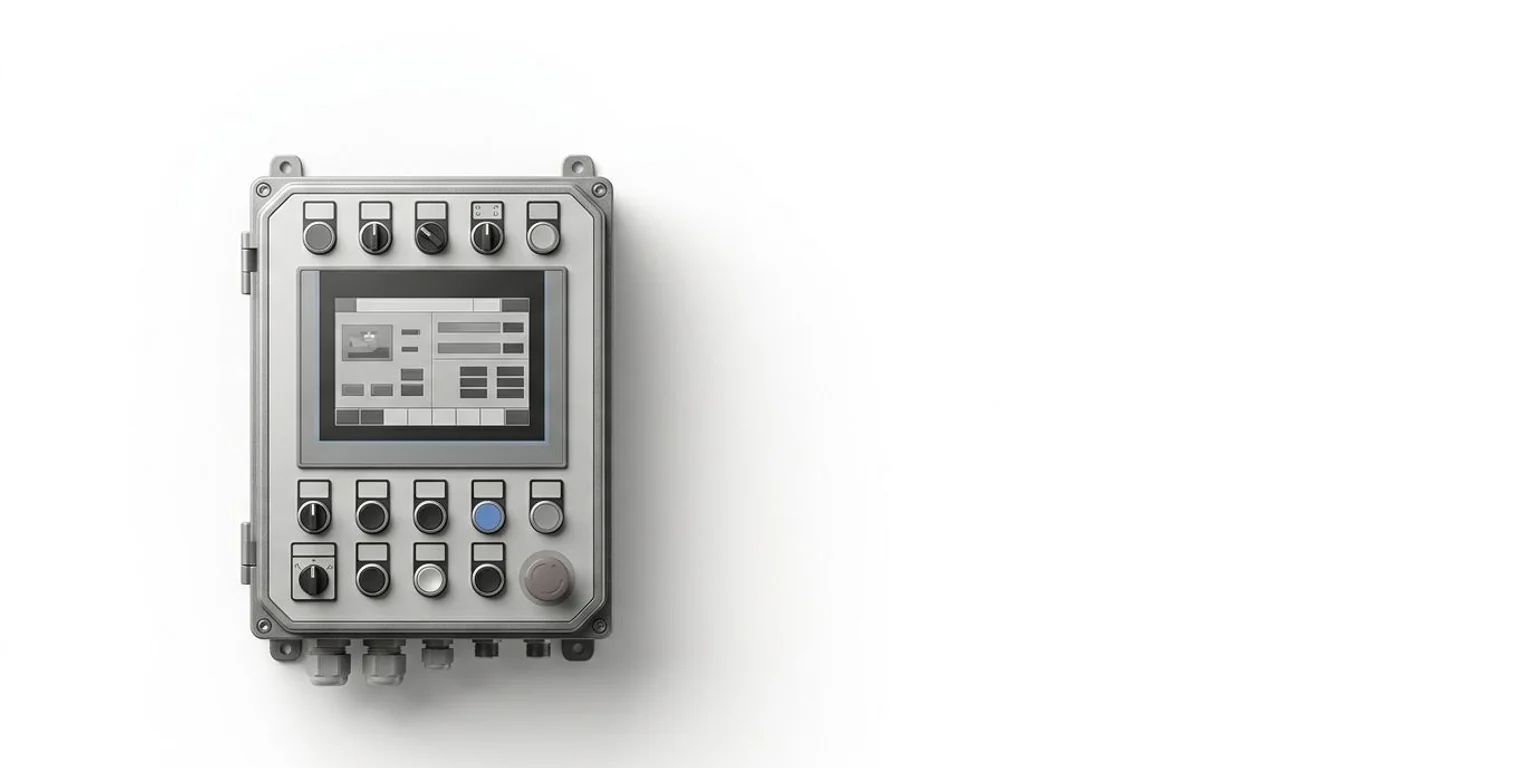
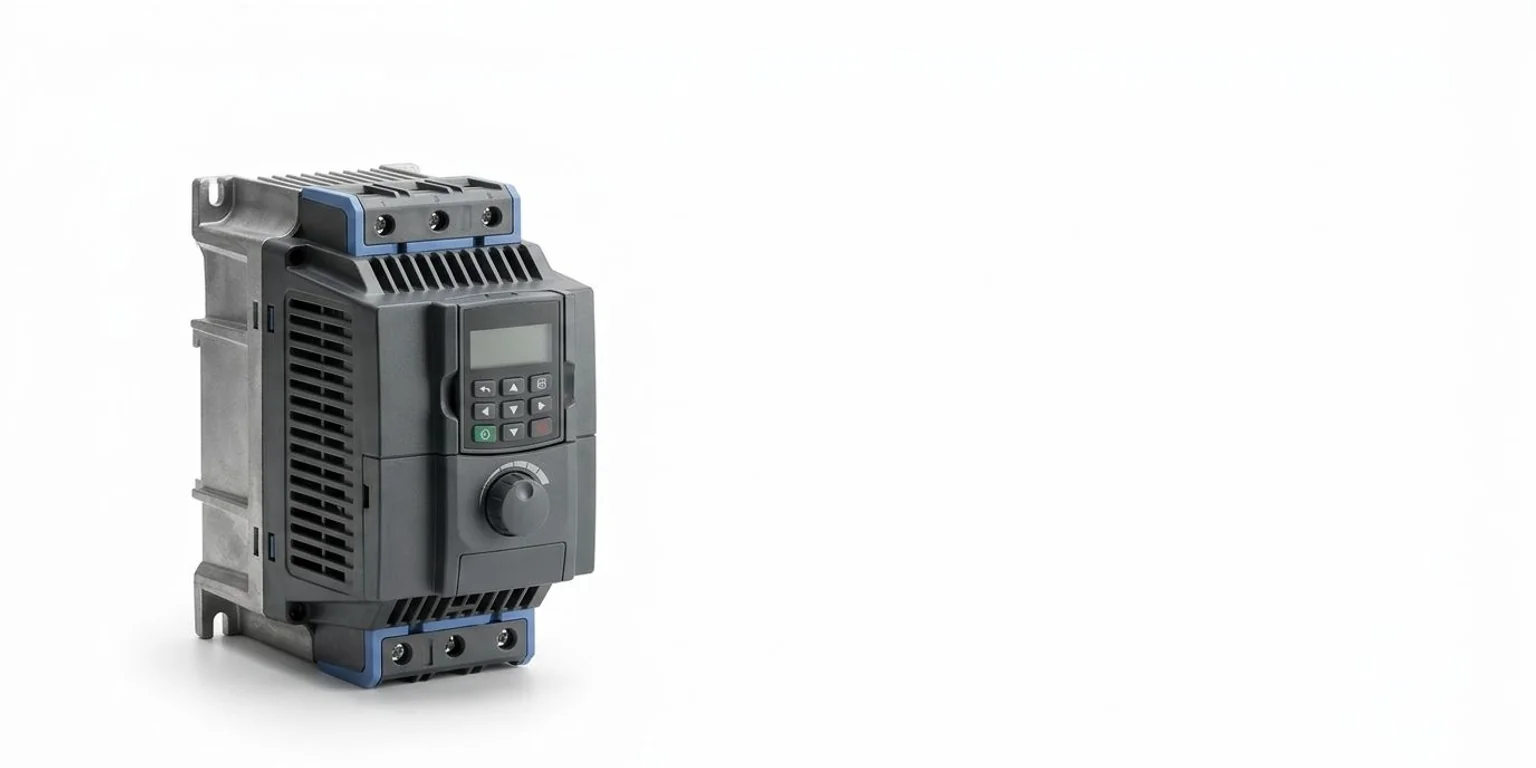
Industrial automation relies on three layers: detection (sensors and encoders), processing (programmable logic controllers, PLCs) and actuation (cylinders, motors, solenoid valves). Sensors form the interface between the physical world and the control system.
Inductive sensors detect metals only, at very short range (typically 1 to 30 mm), with total immunity to dust, oils and vibration. Capacitive sensors detect any material (plastic, liquid, granules) at similar distances, making them useful in the food and pharmaceutical industries. Photoelectric sensors (through-beam, retro-reflective, diffuse) cover distances from a few centimetres to several tens of metres. Ultrasonic sensors measure distance or detect transparent and glossy objects where optical devices fail.
Incremental encoders deliver a number of pulses per revolution (256 to 10,000 ppr) to measure speed and relative position. Absolute encoders, single-turn or multi-turn, retain position in the event of a power loss, which is essential for safety axes and complex machines. Standard interfaces include push-pull, RS422 differential, SSI, BiSS-C, EnDat and Profinet.
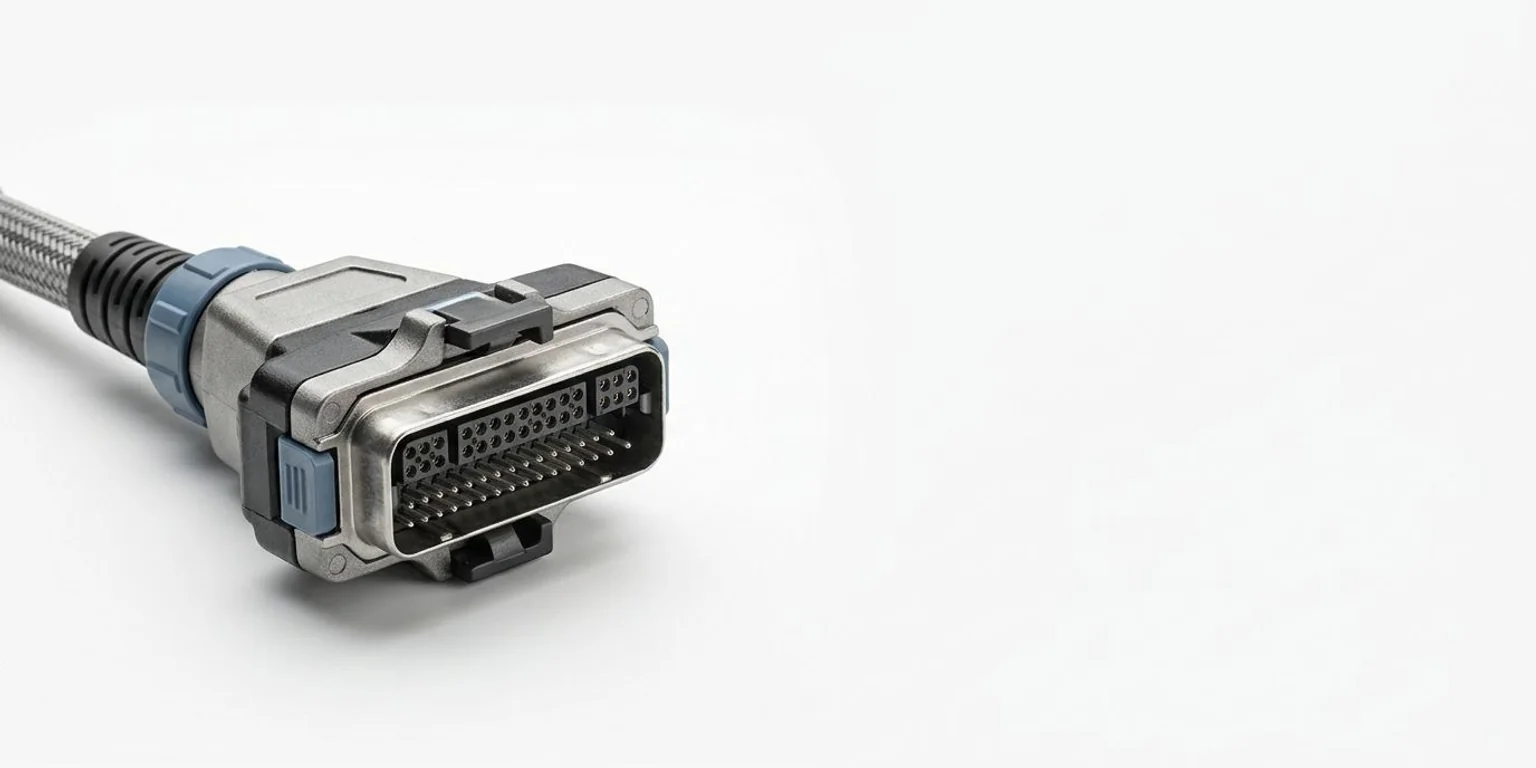
Safety components (categories Cat 1 to 4 according to EN ISO 13849) cover light curtains, key-operated safety switches, emergency stop switches and dedicated safety controllers. Type 4 light curtains achieve the maximum Performance Level (PLe) required on presses and collaborative robots. The whole system is connected via spring-cage terminals, A/B/D-coded M8/M12 connectors or fieldbuses (IO-Link, Profinet, EtherCAT).
Frequently asked questions — Automation and Control
Which type of sensor should be selected to detect metal objects in a polluted industrial environment?
For detecting metal objects in harsh industrial environments, inductive sensors are the appropriate solution. They enable detection at very short range, typically between 1 and 30 mm. This technology offers total immunity to dust, oils and vibration, ensuring optimal reliability in demanding environments where detection accuracy depends on physical proximity.Which technology should be preferred to detect liquids or plastic materials?
For detecting non-metallic materials such as liquids, granules or plastics, capacitive sensors should be used. Like inductive models, they operate over similar distances but have the ability to detect any type of material. This characteristic makes them particularly suitable for industrial applications in the food and pharmaceutical sectors.How do you choose between an incremental encoder and an absolute encoder for a positioning application?
The choice between these two technologies depends on how position is managed in the event of a power loss. Incremental encoders, delivering from 256 to 10,000 pulses per revolution, are used to measure speed and relative position. Conversely, absolute encoders, available in single-turn or multi-turn versions, retain the precise position value after a power loss. The latter are essential for safety axes and complex machines requiring continuous status memorisation.What are the criteria for selecting a safety light curtain?
The choice of a safety light curtain must comply with the safety levels defined by the EN ISO 13849 standard, ranging from categories 1 to 4. For critical applications such as presses or collaborative robots, it is imperative to use Type 4 light curtains. These make it possible to achieve the maximum Performance Level (PLe) required to guarantee operator protection in such high-risk environments.Which technical solution should be preferred to detect transparent or glossy objects?
When standard photoelectric sensors fail to detect transparent or glossy objects, ultrasonic sensors are recommended. This technology is not limited to distance measurement; it excels at detecting objects with complex optical properties. The use of ultrasound thus overcomes the technical limitations encountered by optical devices in these specific configurations.