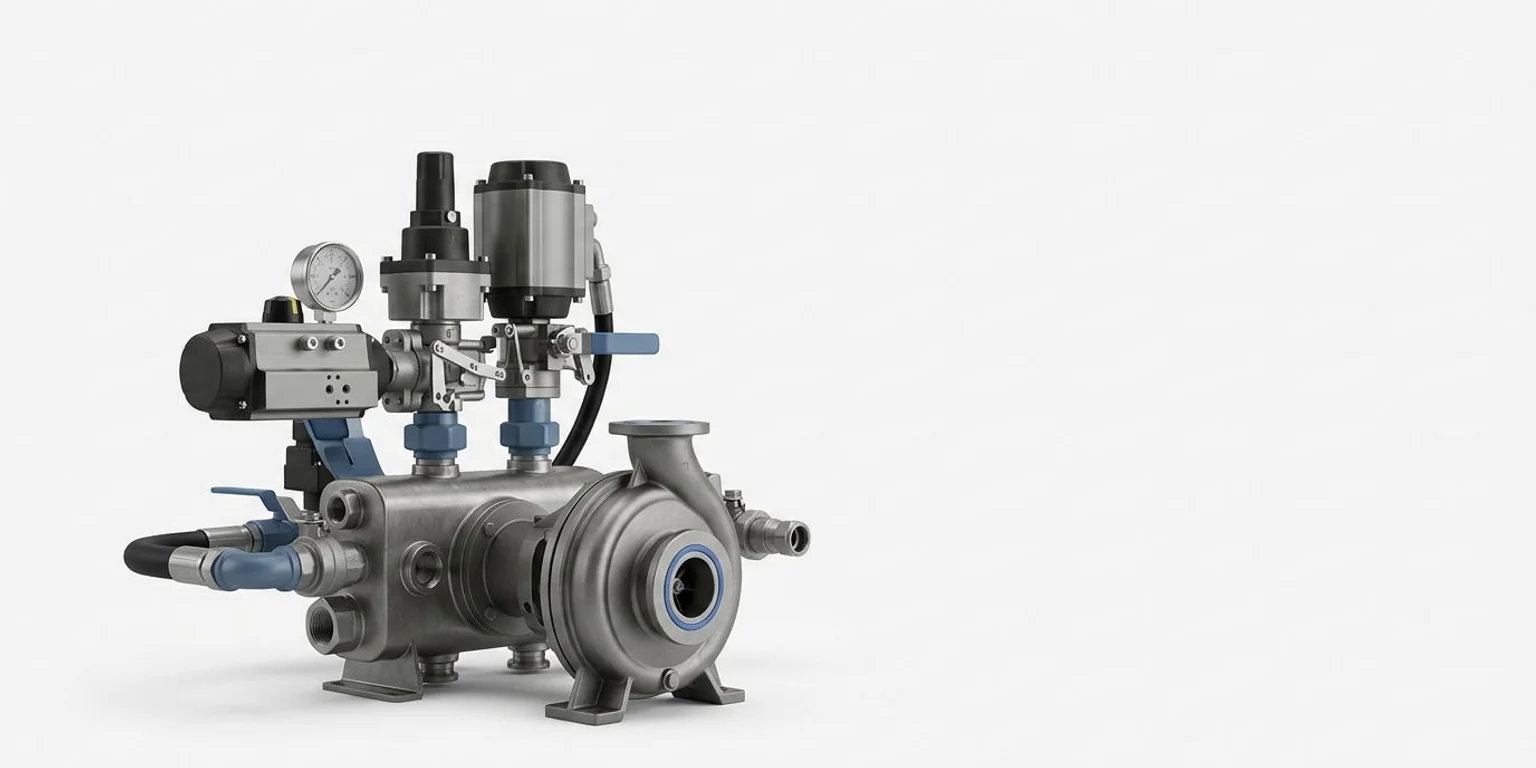
Industrial fluids and process connections
Fluids and process refers to the components used for the circulation, dosing and regulation of industrial liquids and gases. FIT distributes pumps (centrifugal, positive displacement, dosing), valves (ball, butterfly, diaphragm), fittings, DIN/ANSI flanges, flow meters and instrumentation for process fluids. Compatible with water, oils, chemicals and food-grade applications according to specifications.
About Fluids and Process
Fluids and process components cover the complete chain of transport, transfer, dosing, measurement and regulation of liquids and gases in industrial installations. Selection is based on four parameters: nature of the fluid (viscosity, abrasiveness, chemical aggressiveness, temperature), service pressure, nominal flow rate and expected accuracy.
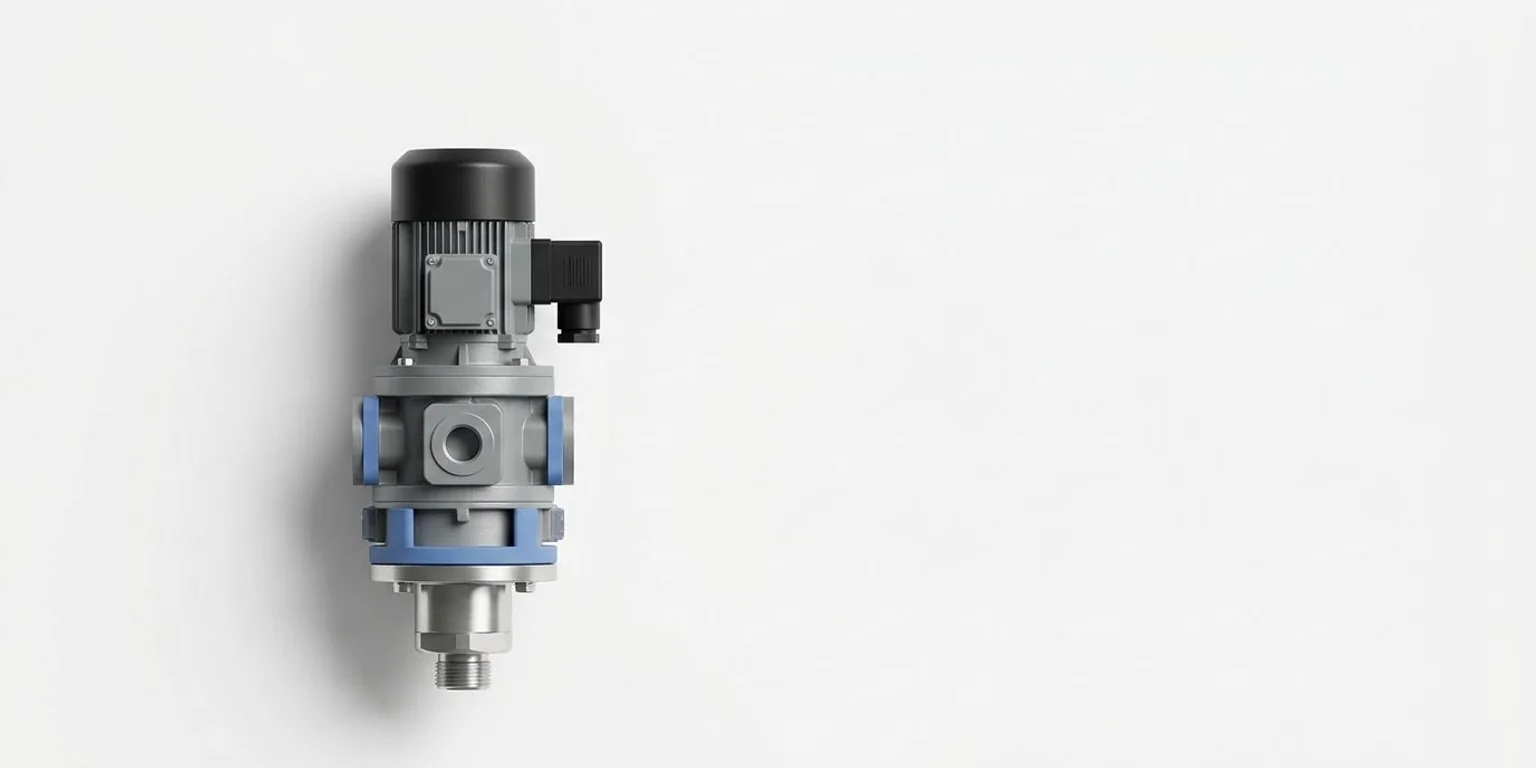
For the transfer of low-viscosity liquids at moderate pressure, centrifugal pumps (single or multistage) remain the standard solution. For viscous liquids or precise dosing, positive displacement pumps are required: gear, lobe, peristaltic or piston pumps. Diaphragm dosing pumps provide a programmable linear flow rate, which is essential in water treatment and fine chemistry.
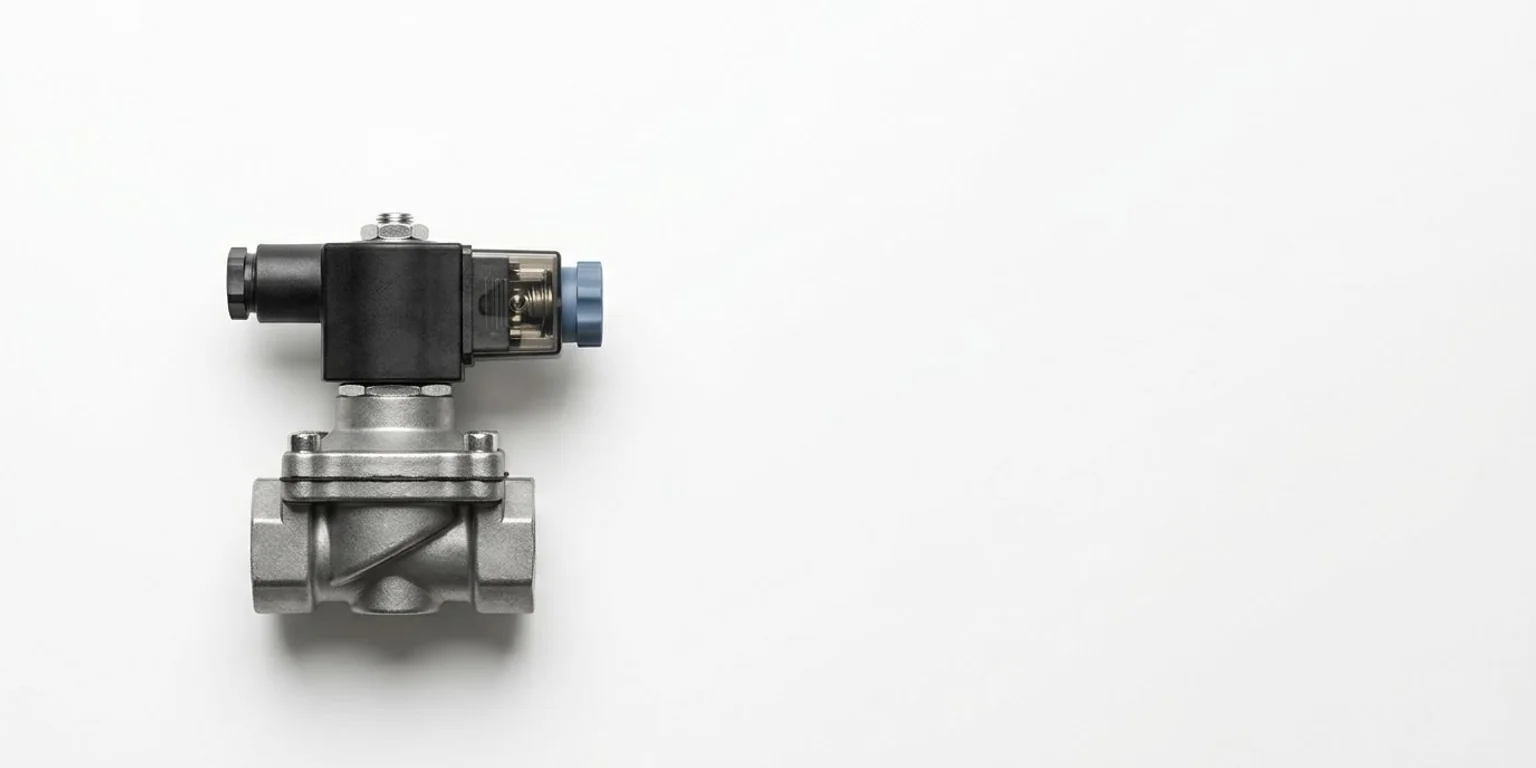
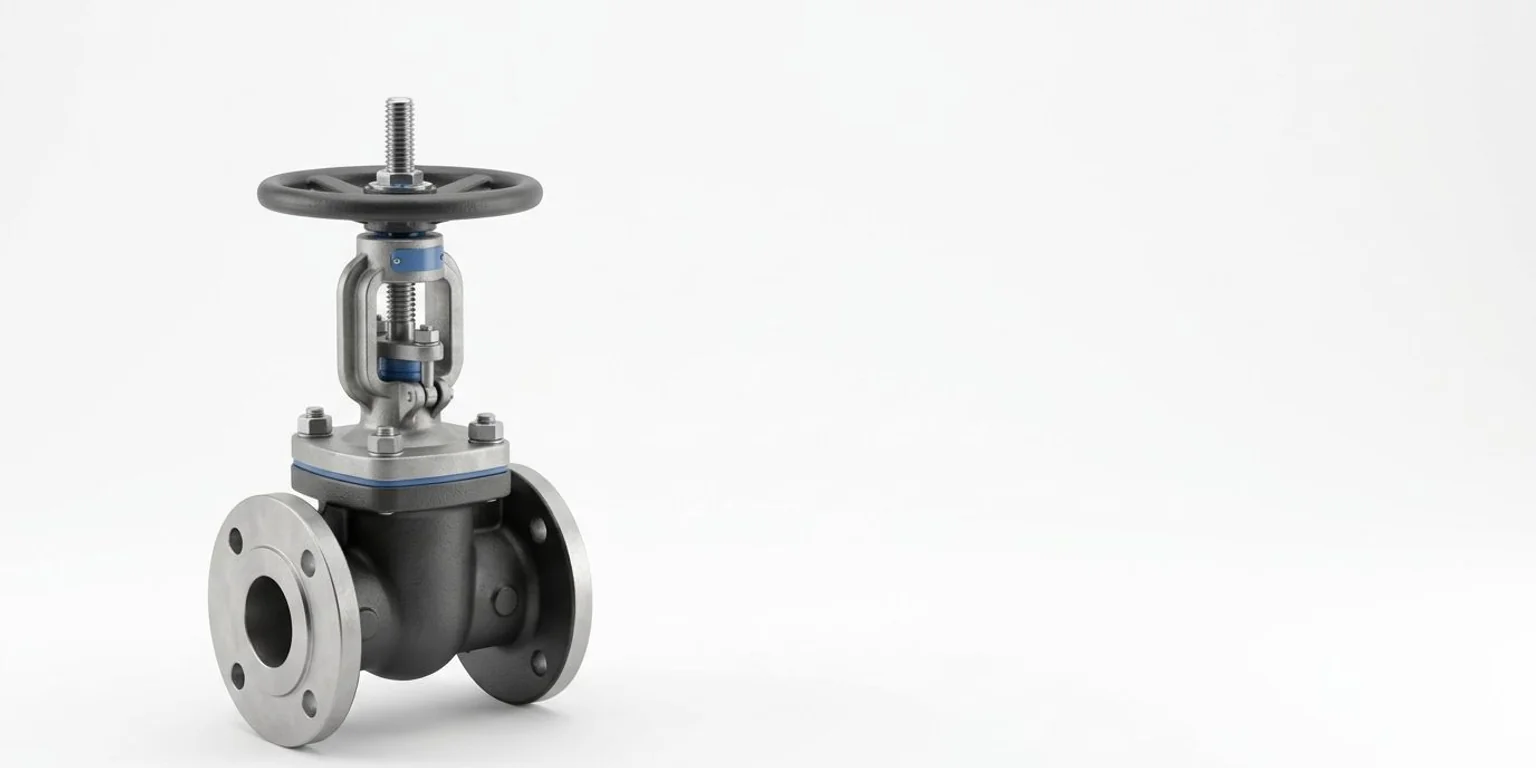
Valves are classified by function (isolation, regulation, non-return, safety) and by technology (quarter-turn ball, butterfly, diaphragm, needle, angle-seat). The Kv coefficient quantifies the flow capacity; the DN (nominal diameter) and PN (nominal pressure) are the connection criteria.
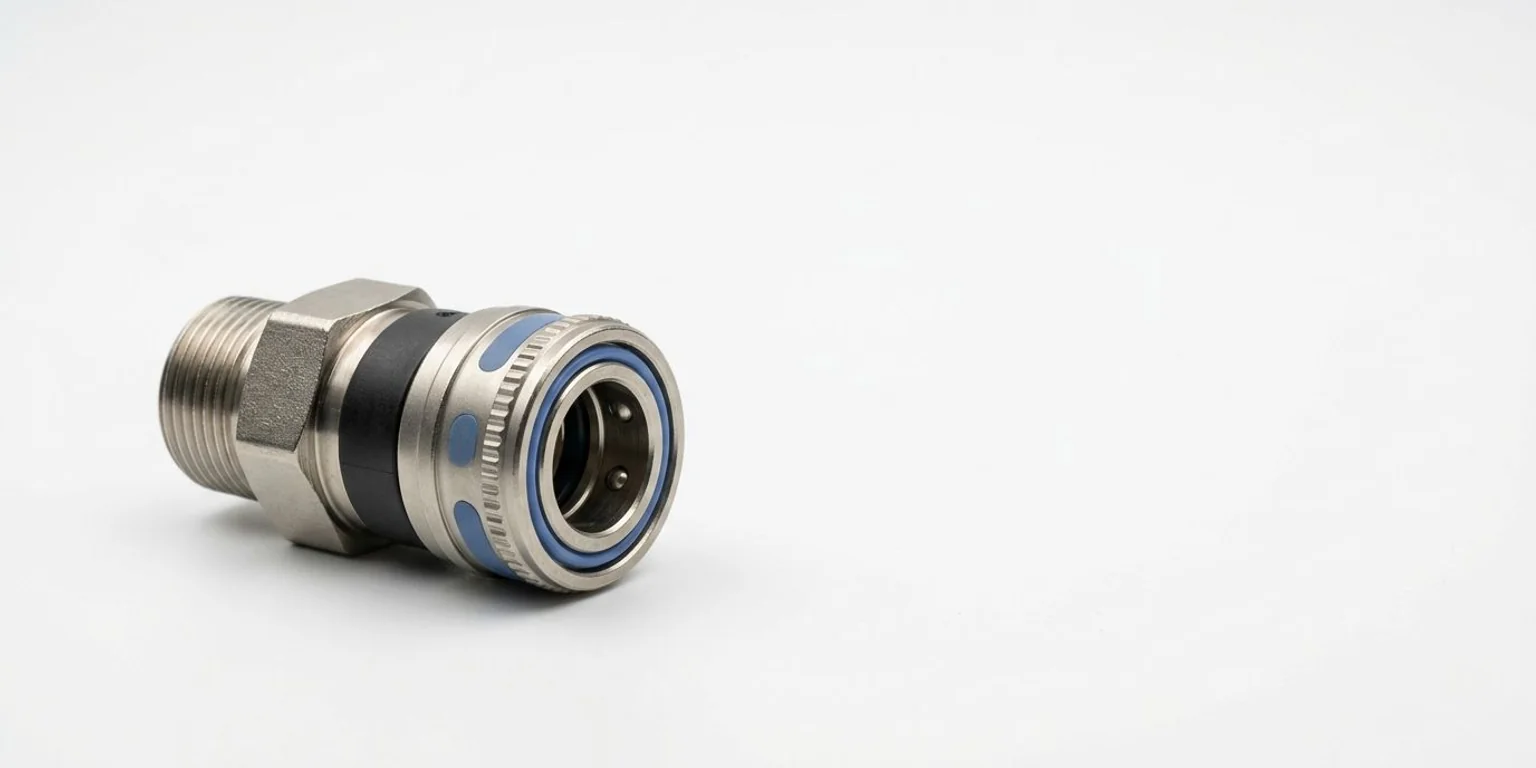
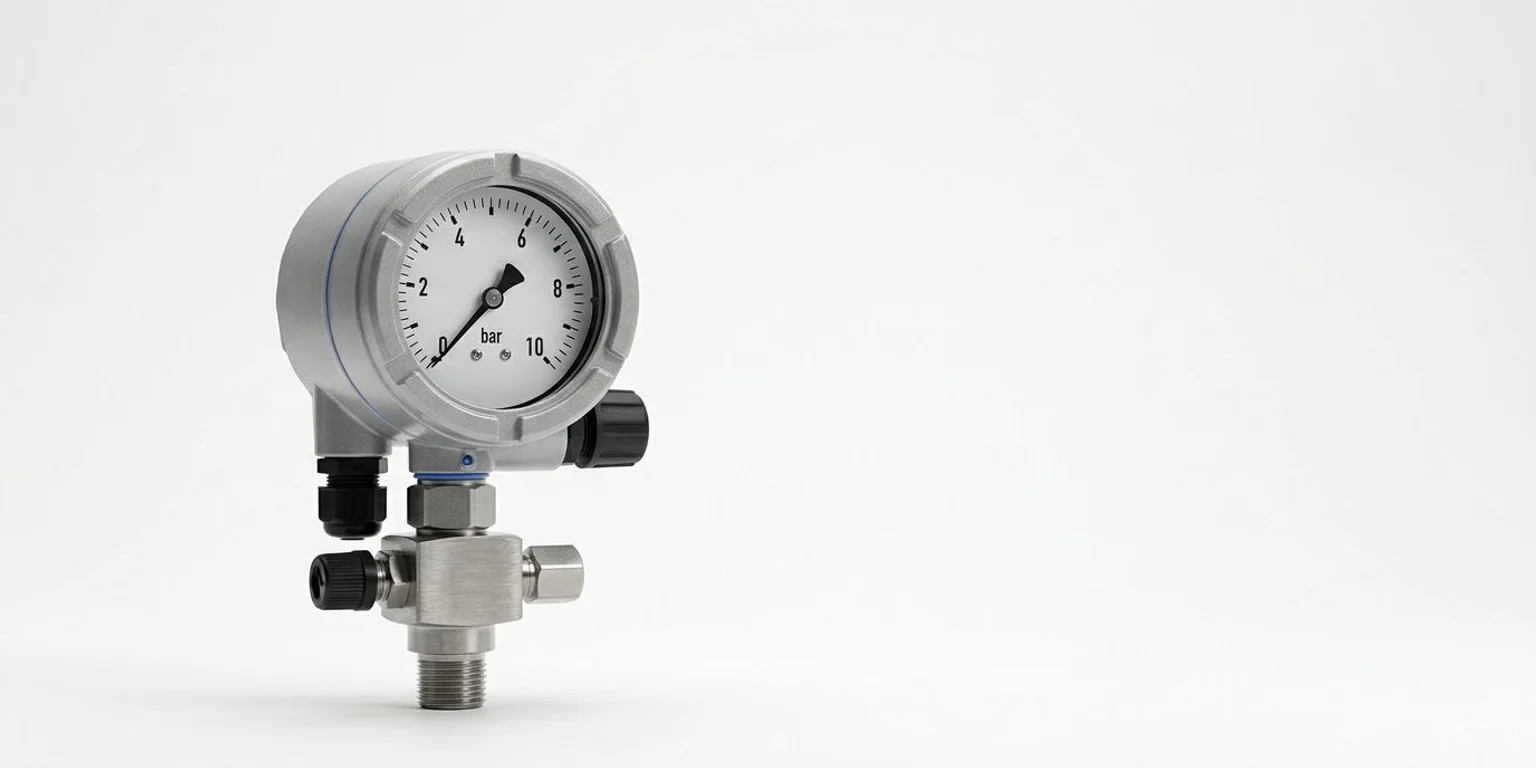
Connections comply with standards DIN 11851 (food-grade), DIN EN 1092 (industrial flanges), ANSI B16.5 (US equivalent), with EPDM or silicone O-rings depending on food contact requirements. For aggressive fluids, opt for 316L stainless steel, PVC, PVDF or PTFE bodies. Associated instrumentation (electromagnetic and Coriolis flow meters, pressure gauges, pressure transmitters) closes the process control loop.
Frequently asked questions — Fluids and Process
How do I choose between a centrifugal pump and a positive displacement pump?
The choice mainly depends on the characteristics of the fluid and the intended application. Centrifugal pumps, available in single or multistage versions, are the standard solution for transferring low-viscosity liquids at moderate pressure. Conversely, positive displacement pumps such as gear, lobe, peristaltic or piston models are recommended for more viscous fluids or when a particular dosing accuracy is required in the industrial installation.What are the criteria for selecting the materials of the components?
Material selection is based on the chemical and physical nature of the fluid being transported. For aggressive fluids, it is necessary to opt for pump bodies or components made of 316L stainless steel, PVC, PVDF or PTFE. In addition, the choice of O-rings, in EPDM or silicone, must take into account the service temperature and the specific requirements relating to any food contact within the process.Which valve technology should be favoured for isolation or regulation?
Valves are first selected according to their role within the process chain: isolation, regulation, non-return or safety. The choice of technology, whether quarter-turn ball, butterfly, diaphragm, needle or angle-seat valves, must be aligned with the nominal diameter (DN) and nominal pressure (PN) required for the connection. The Kv coefficient must also be checked to ensure the flow capacity is suited to the installation.Which connection standards must I comply with for my installations?
The compliance of connections depends on the sector of activity and the prevailing industrial standards. Installations generally follow DIN 11851 for applications in the food sector, or DIN EN 1092 for standard industrial flanges. For equipment meeting international standards, ANSI B16.5 is the US equivalent frequently encountered during the design or maintenance of fluid and gas transfer circuits.How can I ensure accurate dosing in a chemical process?
To guarantee precise dosing and a programmable linear flow rate, diaphragm dosing pumps are the essential technical solution, particularly in water treatment and fine chemistry. This equipment ensures rigorous control of fluid transfer. In order to close the control loop, it is advisable to integrate associated instrumentation such as flow meters, whether electromagnetic or Coriolis, as well as pressure gauges or pressure transmitters to monitor operating conditions.