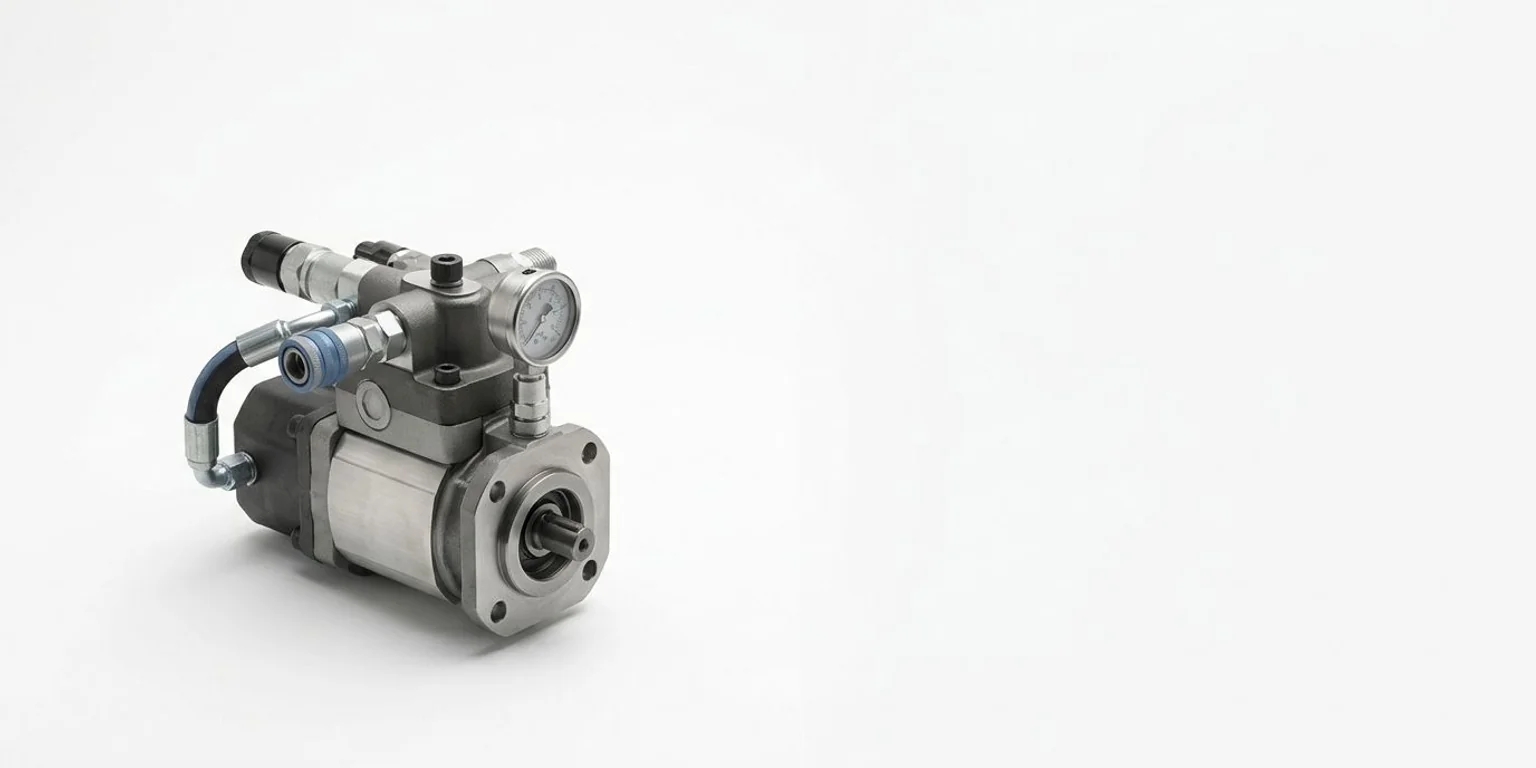
Industrial hydraulic components
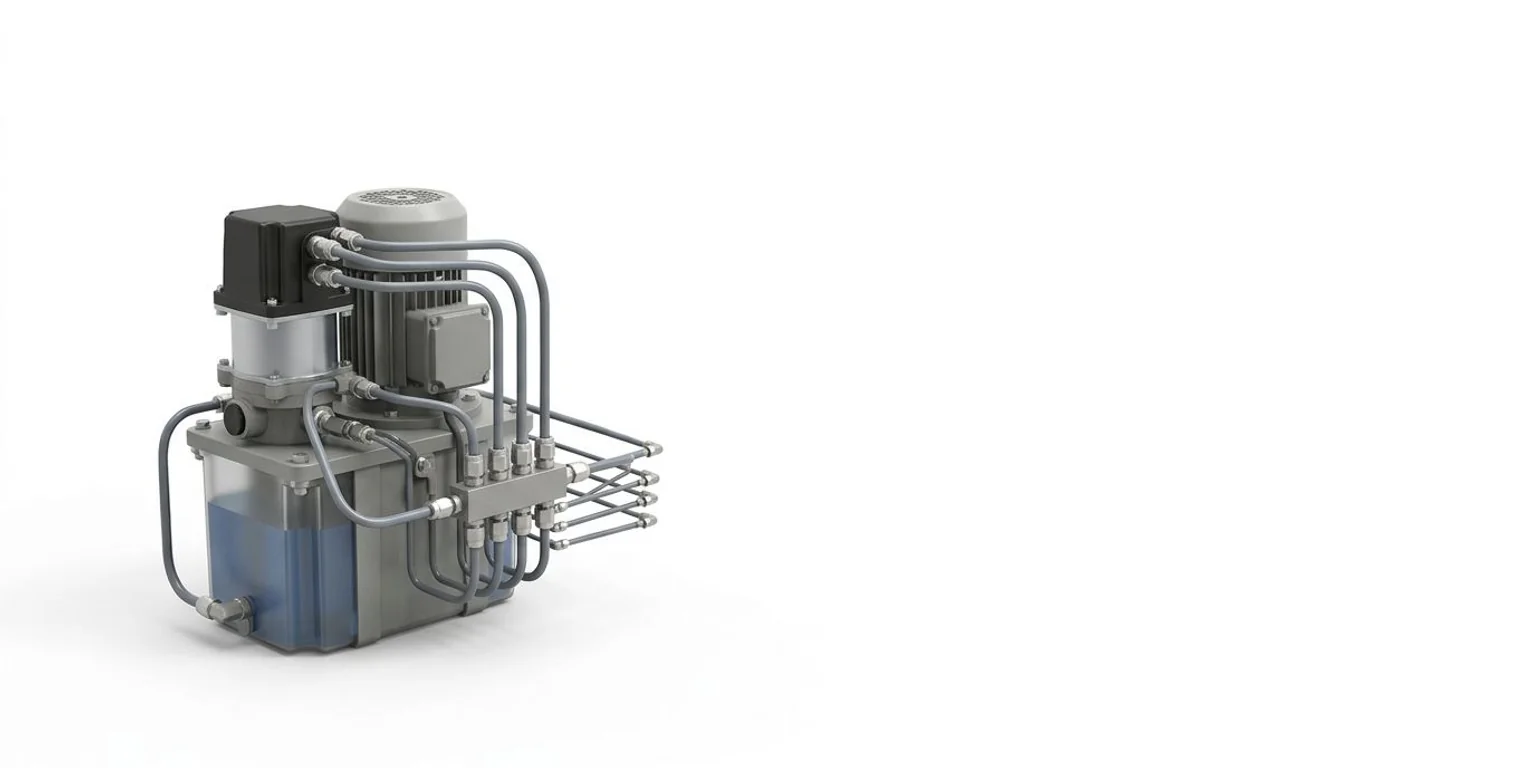
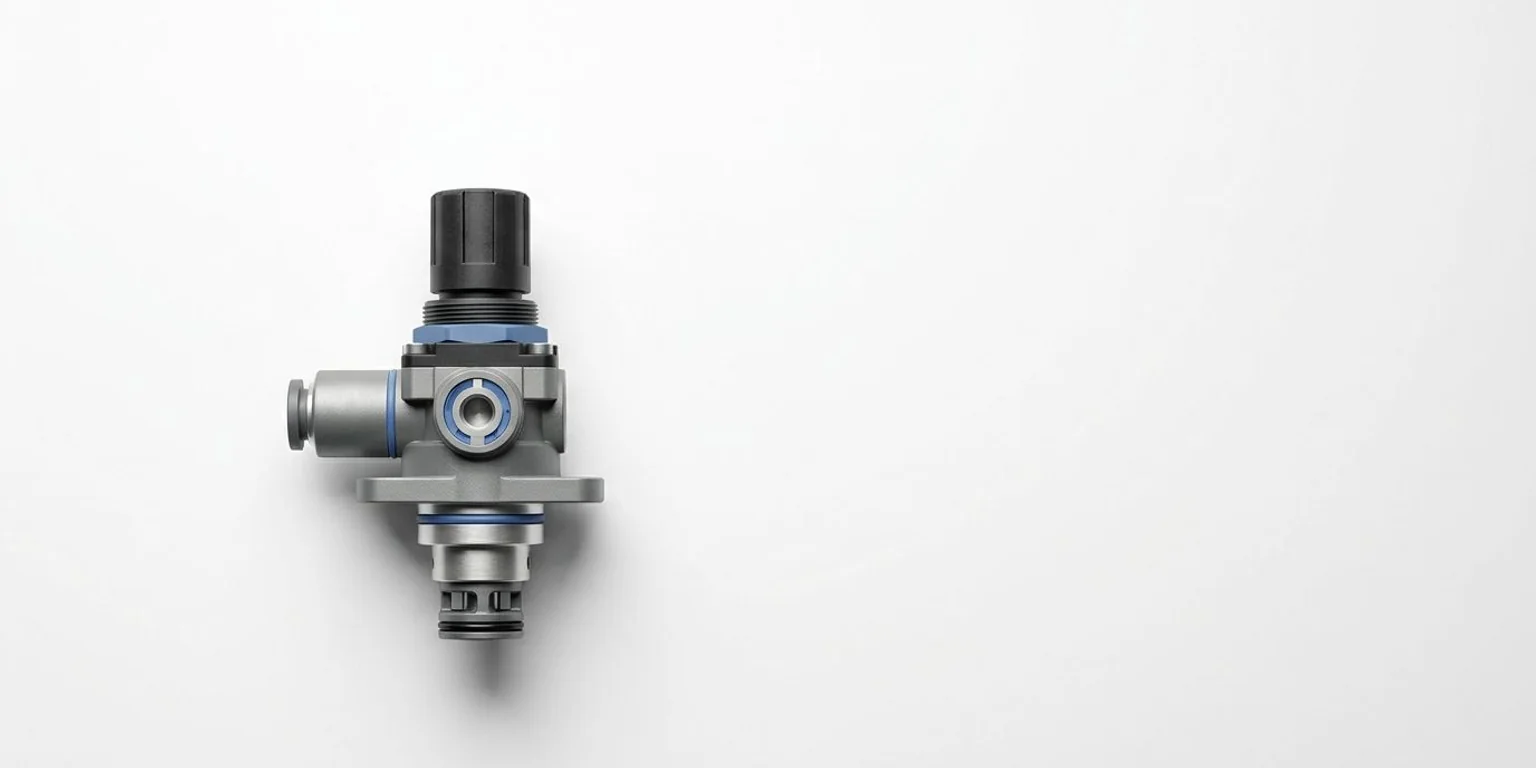
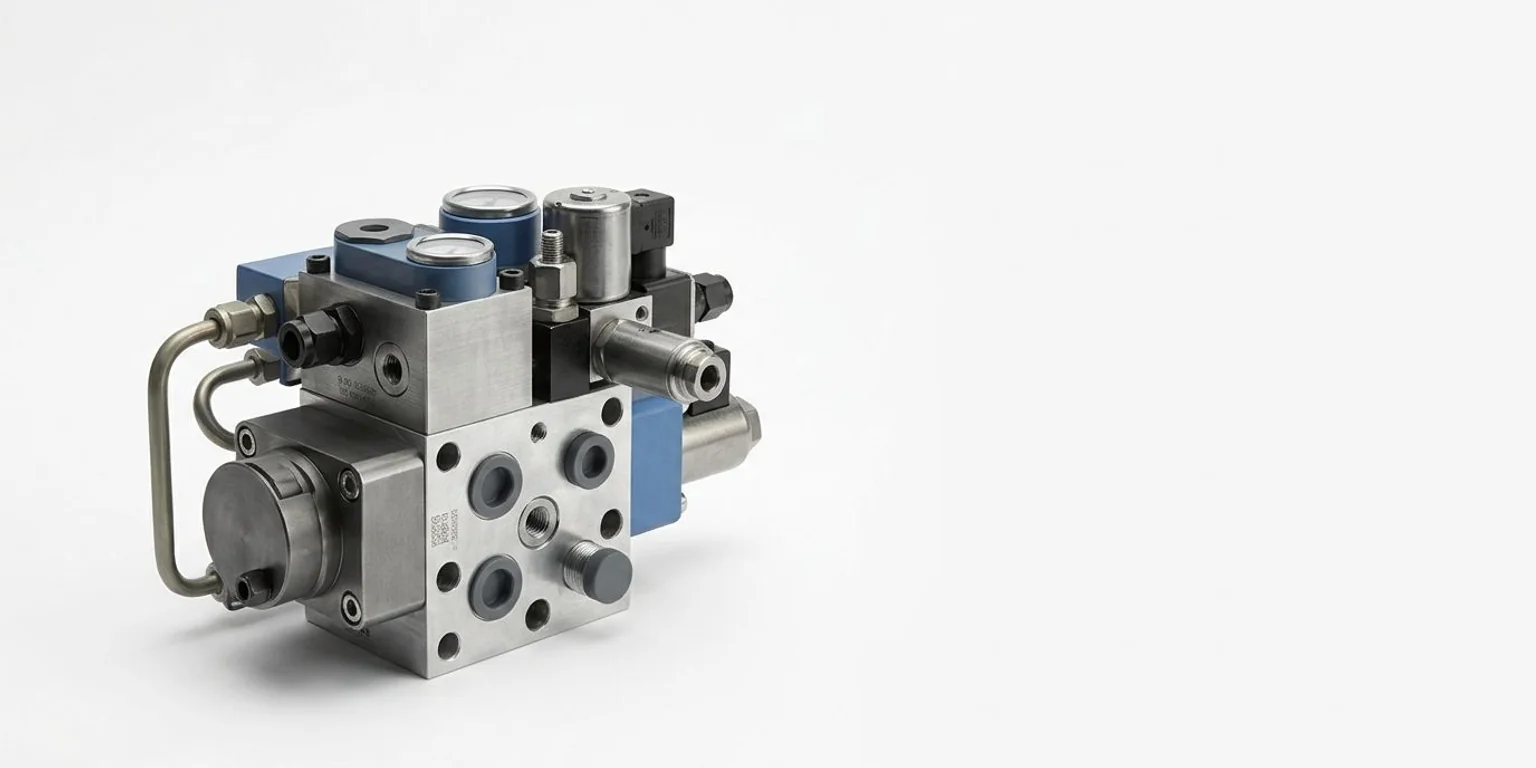
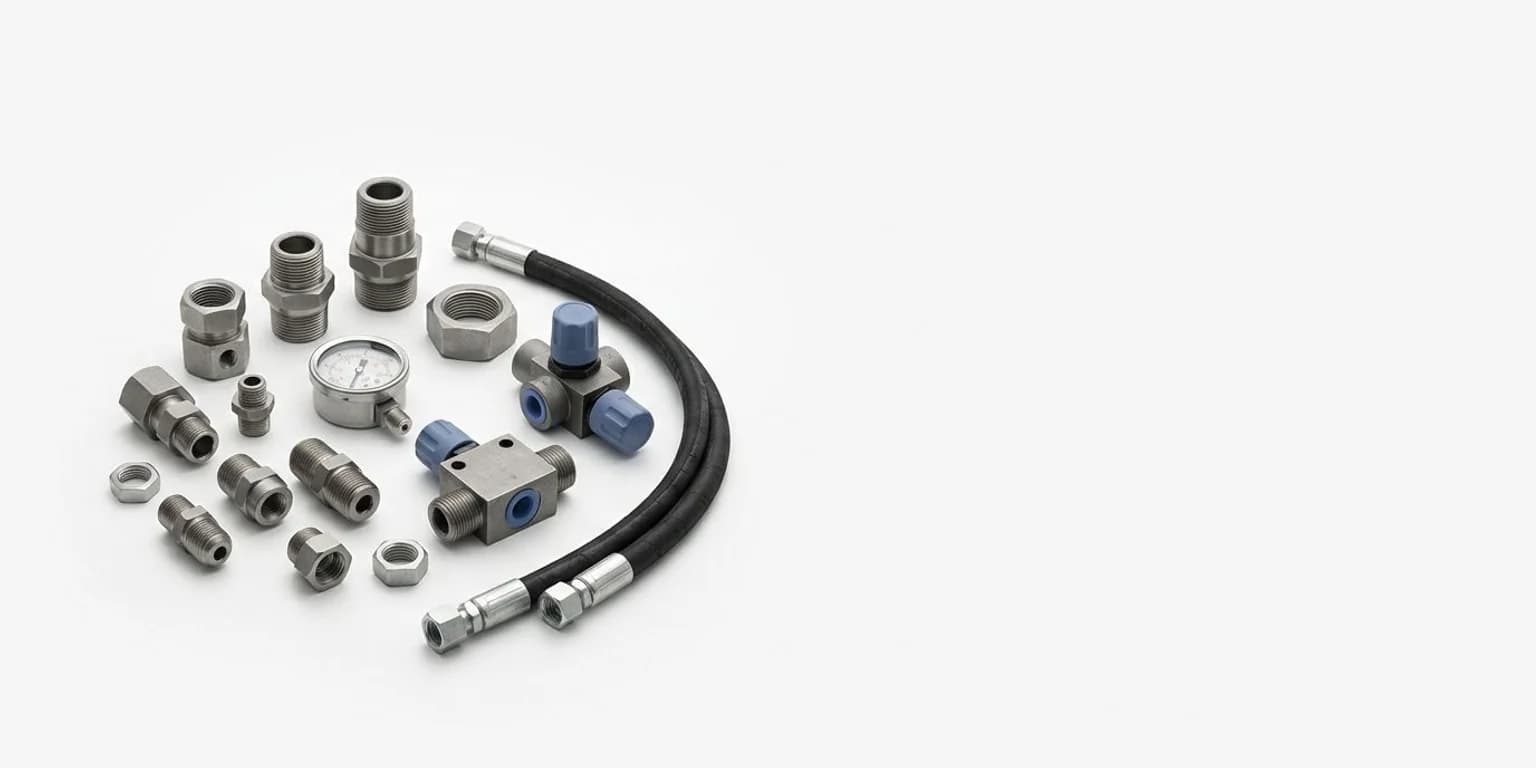
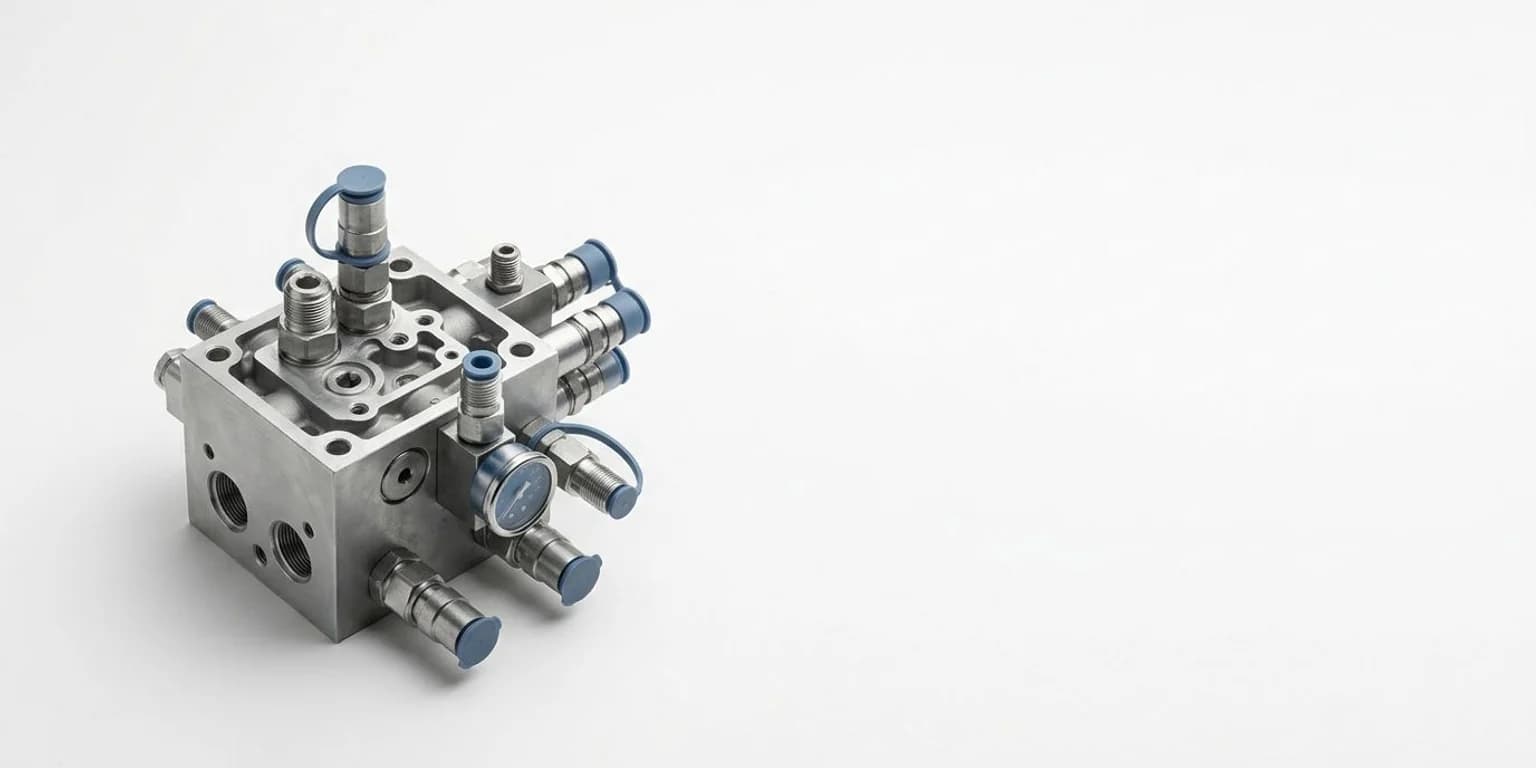
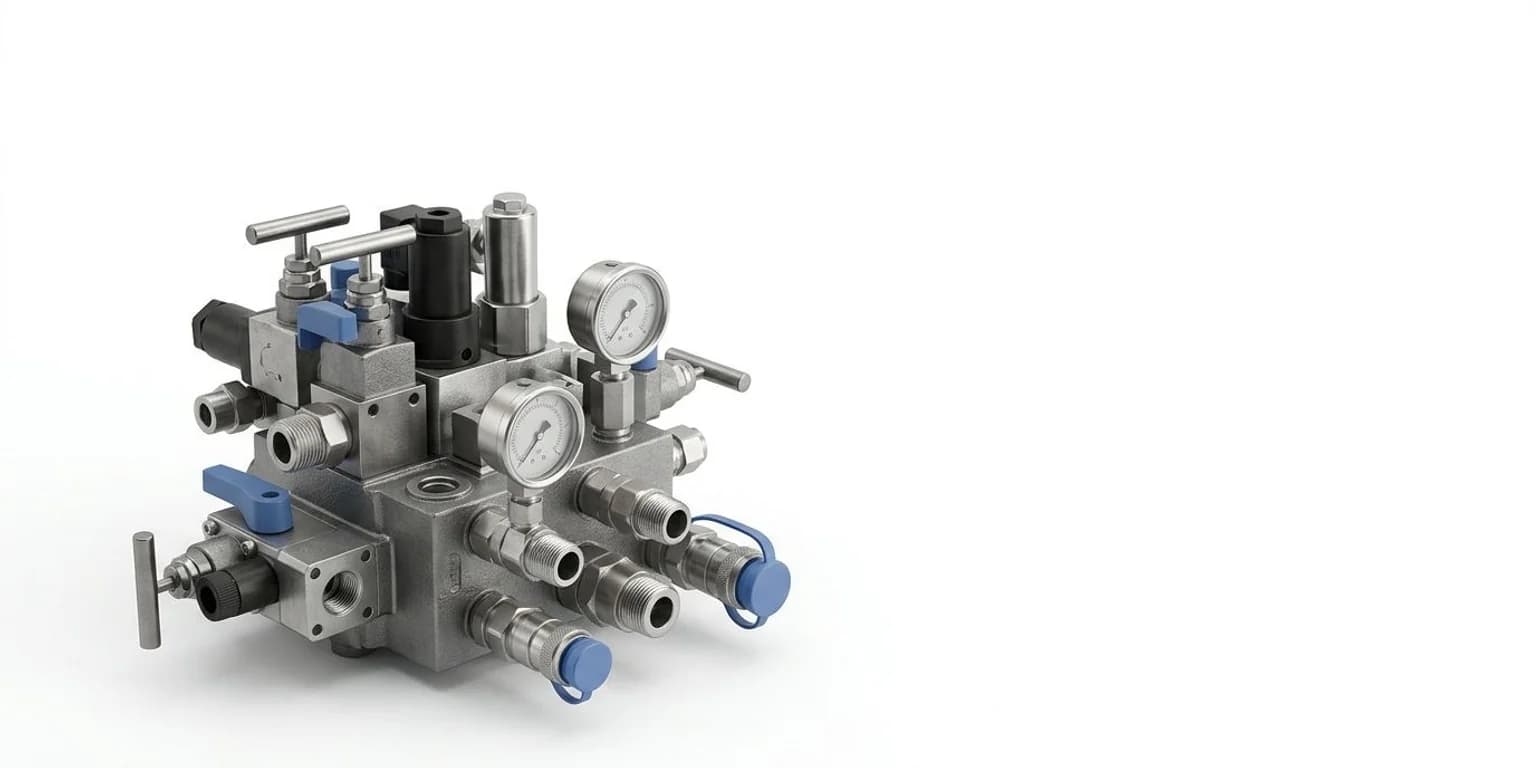
Hydraulics uses a pressurised fluid (typically 100 to 350 bar) to transmit substantial force via cylinders and motors. FIT distributes hydraulic cylinders, pumps (gear, vane, piston), directional control valves, bladder or piston accumulators, high-pressure hoses and fittings from brands such as Parker, Bosch Rexroth, Eaton, Hydac and Atos.





About Hydraulics
Industrial hydraulics becomes essential whenever the required forces exceed what pneumatics can deliver: presses, heavy materials handling, construction machinery and machine tools. Typical working pressures of 160 to 350 bar make it possible to generate several hundred kN with a cylinder of just a few tens of millimetres bore. The incompressibility of oil ensures stiffness and positioning accuracy.
Hydraulic cylinders are designed to ISO 6020 (European standard, bores from 25 to 200 mm) or ISO 6022 (high pressure up to 350 bar). Sizing is based on working pressure, stroke, mounting type (foot, front or rear flange, trunnion) and buckling risk. Telescopic cylinders deliver long strokes within a compact envelope (tipper trucks).
Pumps are selected by technology according to pressure and flow rate: gear pumps (up to 250 bar, cost-effective, noisy), vane pumps (quiet, moderate efficiency), axial or radial piston pumps (high pressure 350-400 bar, with variable displacement available). Servo-controlled proportional valves enable precise closed-loop control.
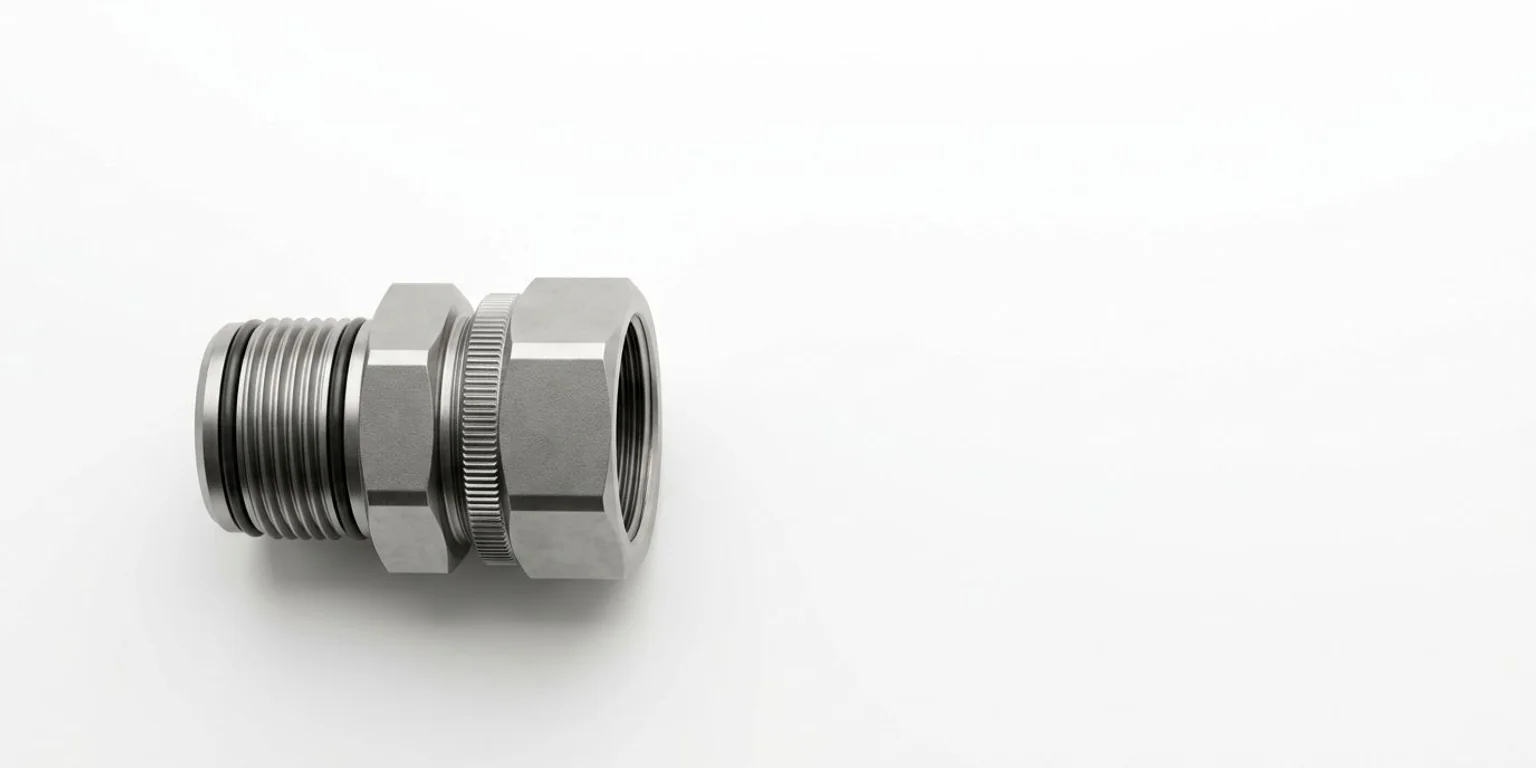
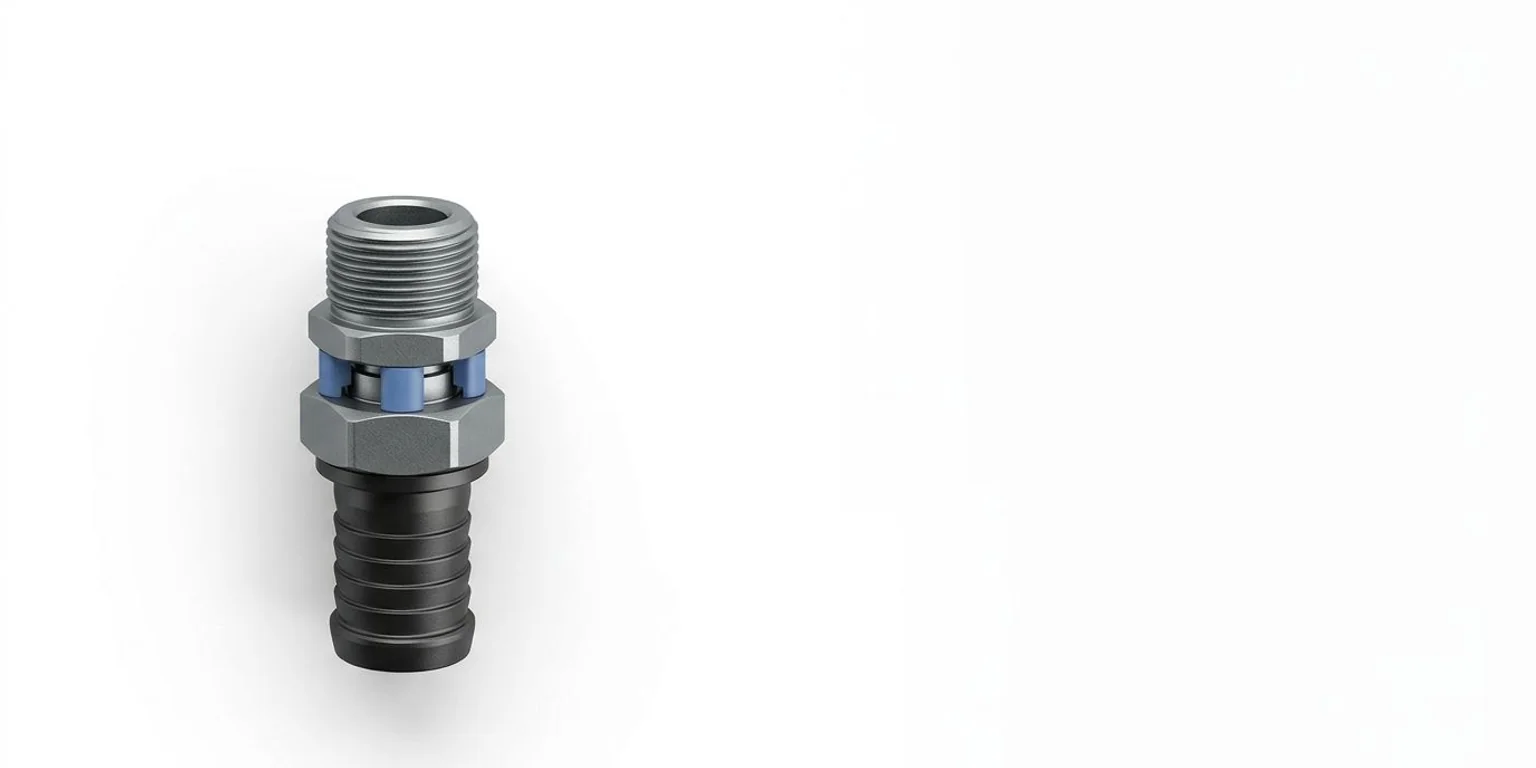
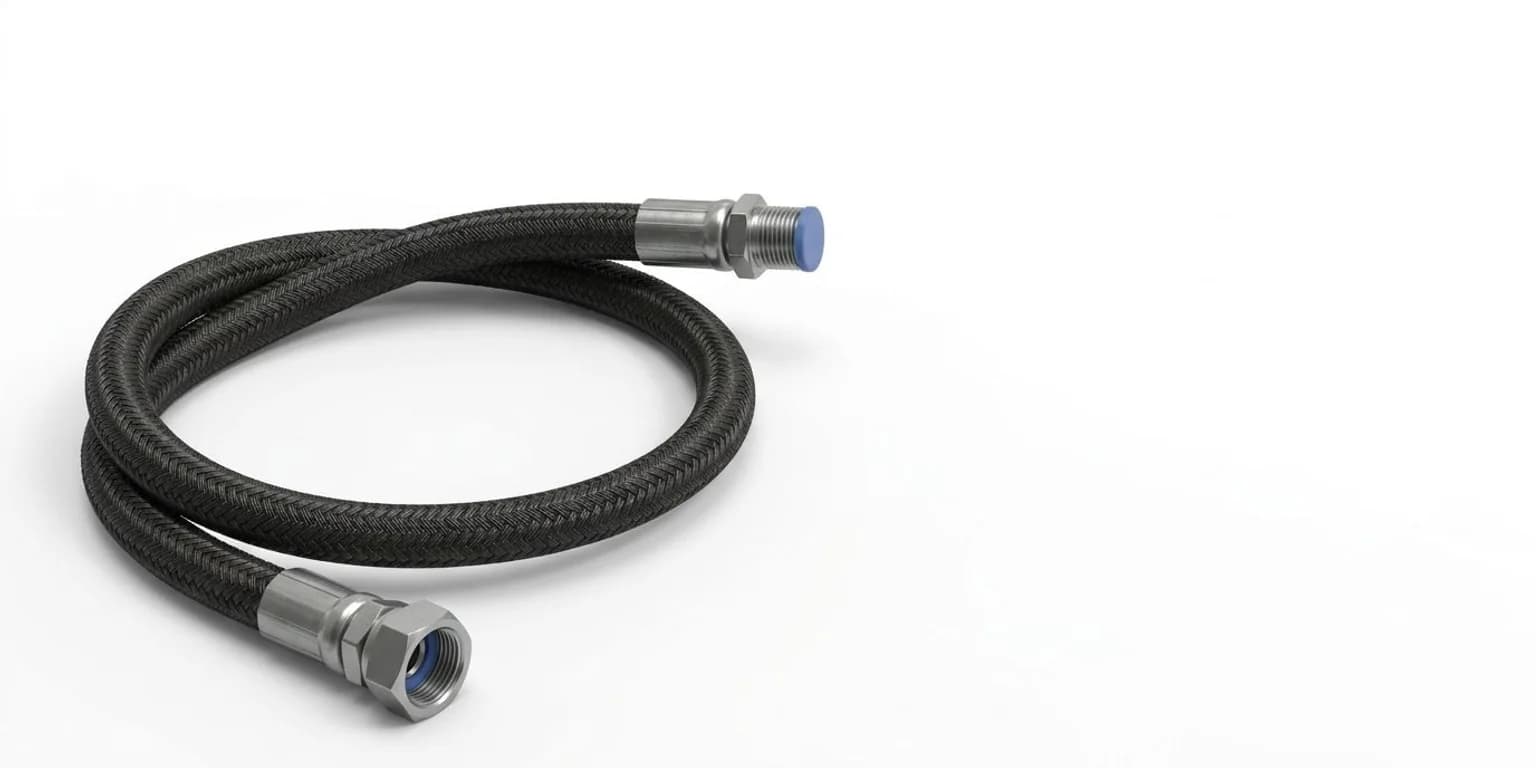
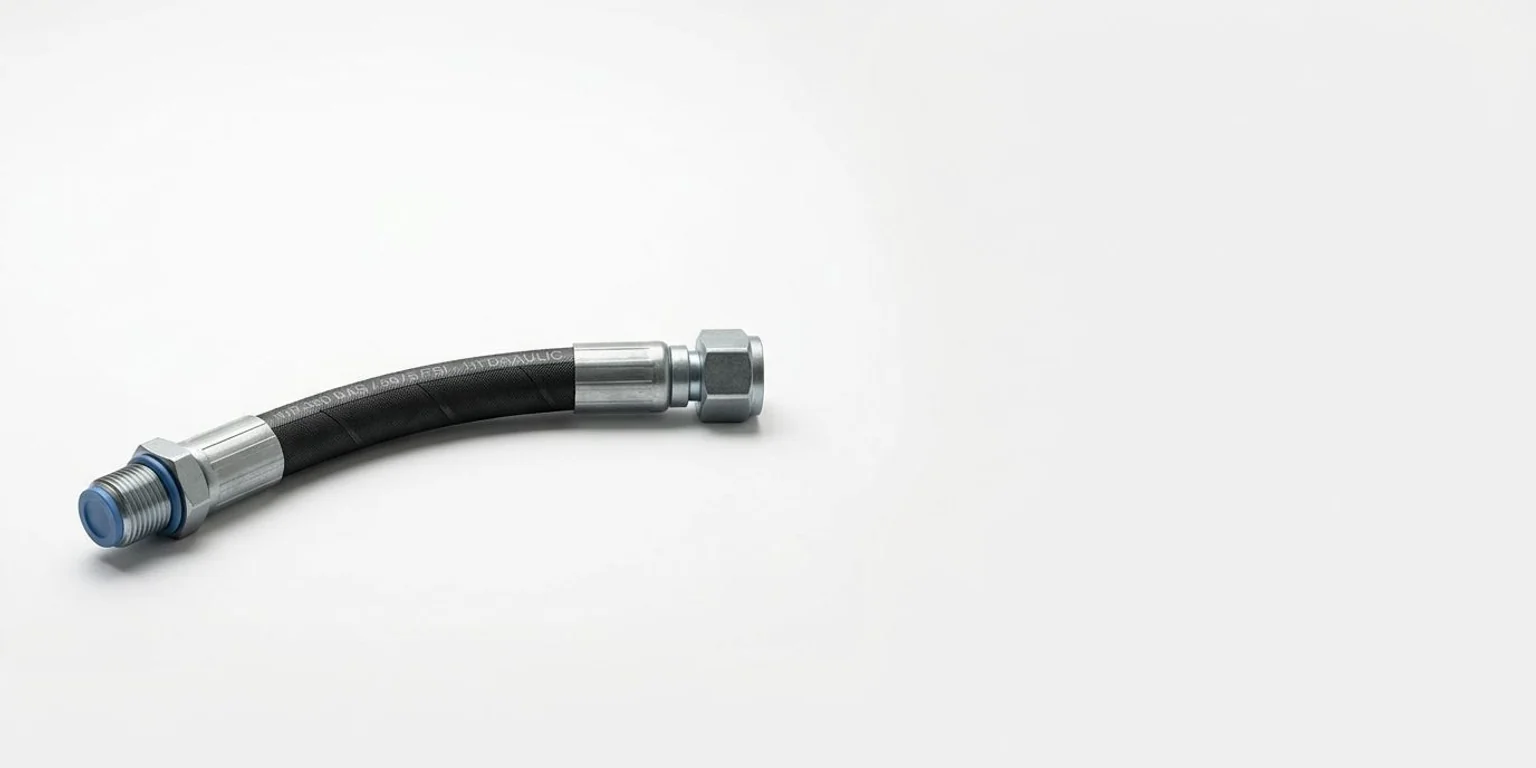
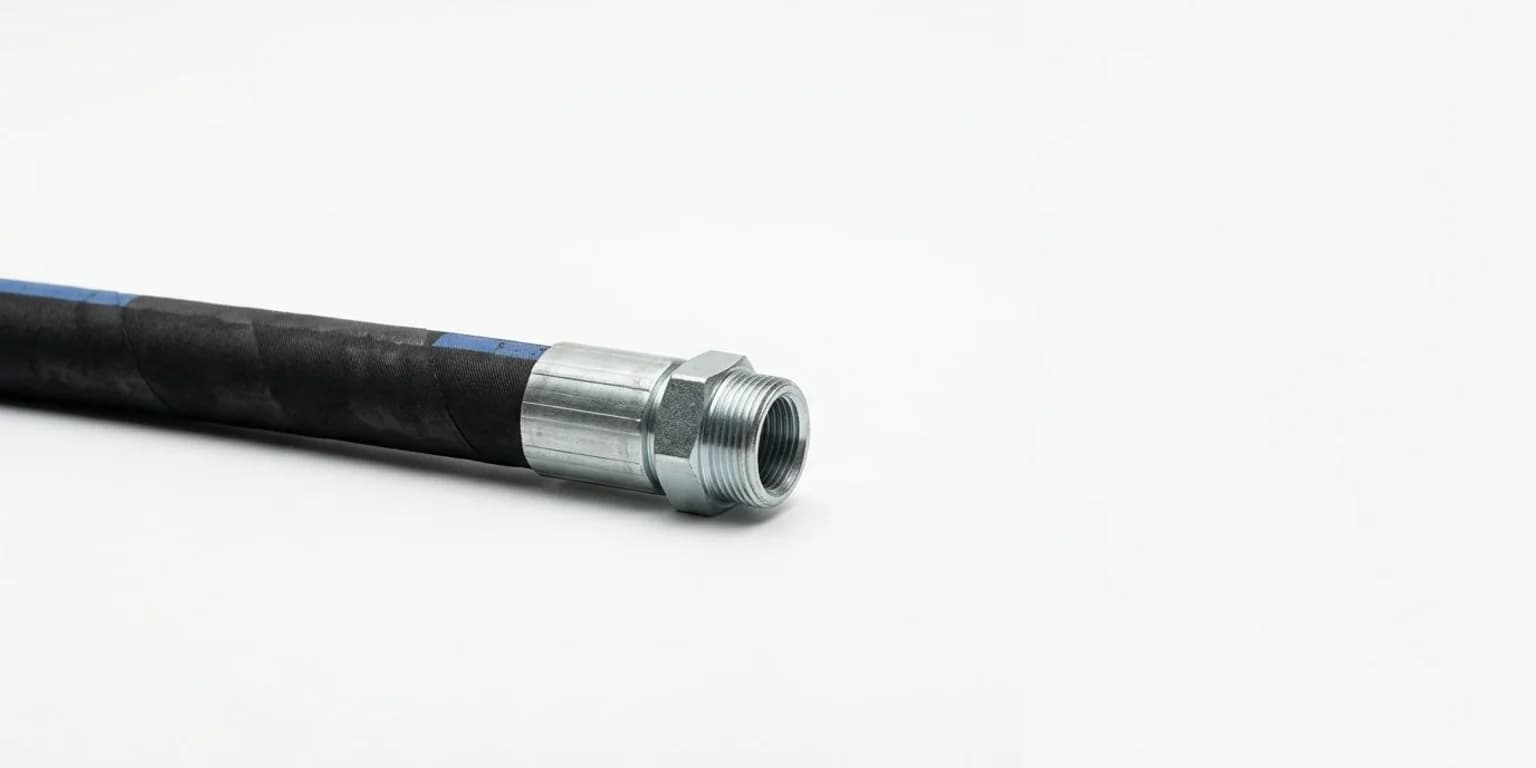
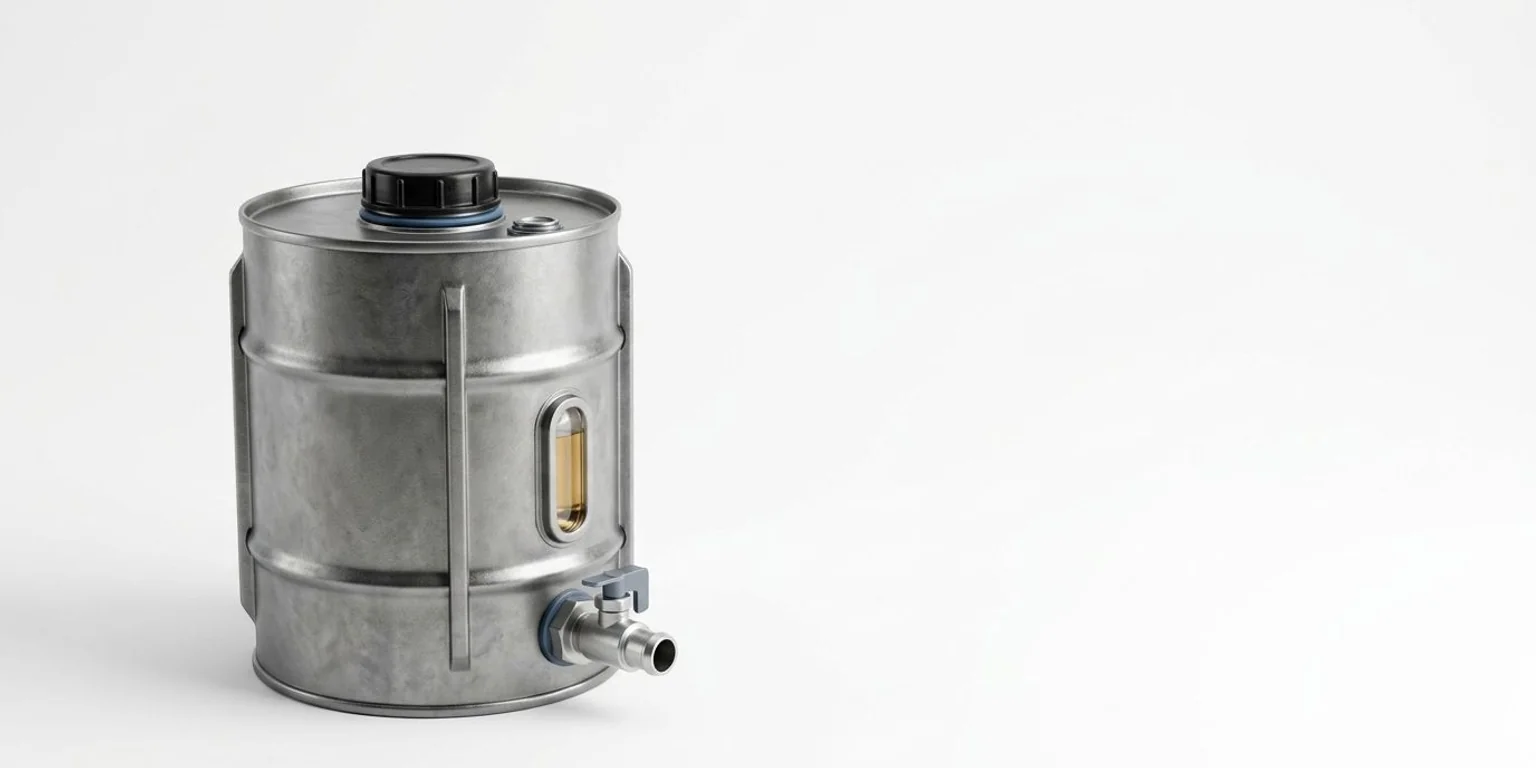
Bladder or piston accumulators store an energy reserve to absorb peaks, compensate for internal leakage or maintain pressure in the event of power loss. SAE 100R hoses comply with burst pressure standards; the minimum bend radius must be respected to preserve service life. Monitoring oil cleanliness (ISO 4406 class) remains the number one reliability factor.
Frequently asked questions — Hydraulics
Why choose hydraulics over pneumatics?
Industrial hydraulics is recommended whenever the required forces exceed the capabilities of pneumatics, particularly for applications such as presses, heavy materials handling, construction machinery and machine tools. Thanks to the incompressibility of oil, this system delivers superior stiffness and positioning accuracy. Typical working pressures, ranging from 160 to 350 bar, make it possible to generate several hundred kN with small-bore cylinders.How do you choose the right hydraulic pump technology?
The choice of a hydraulic pump depends on pressure and flow rate requirements. Gear pump models are preferred for applications up to 250 bar due to their cost-effectiveness, despite a high noise level. Where quiet operation is needed, vane pumps offer moderate efficiency. Finally, axial or radial piston pumps are required to reach high pressures of up to 400 bar, with the option of variable displacement.Which criteria should be considered when sizing a hydraulic cylinder?
Sizing a hydraulic cylinder must account for working pressure, the desired stroke and the mounting type, whether foot, front or rear flange, or trunnion. Buckling risk must be taken into account. The design refers to ISO 6020 for bores from 25 to 200 mm or to ISO 6022 for high-pressure applications up to 350 bar.What role do hydraulic accumulators play in a circuit?
Bladder or piston accumulators act as an energy reserve within a hydraulic circuit. They absorb pressure peaks, compensate for any internal leakage and maintain steady pressure in the event of power loss. Their integration contributes to the operational stability of the pressurised system.What precautions ensure the long service life of hoses?
The service life of SAE 100R hoses depends on strict compliance with the minimum bend radius during installation. It is also essential to follow the burst pressure standards applicable to the application. Beyond hose selection, maintaining reliability relies primarily on regular monitoring of oil cleanliness, in accordance with ISO 4406 class.