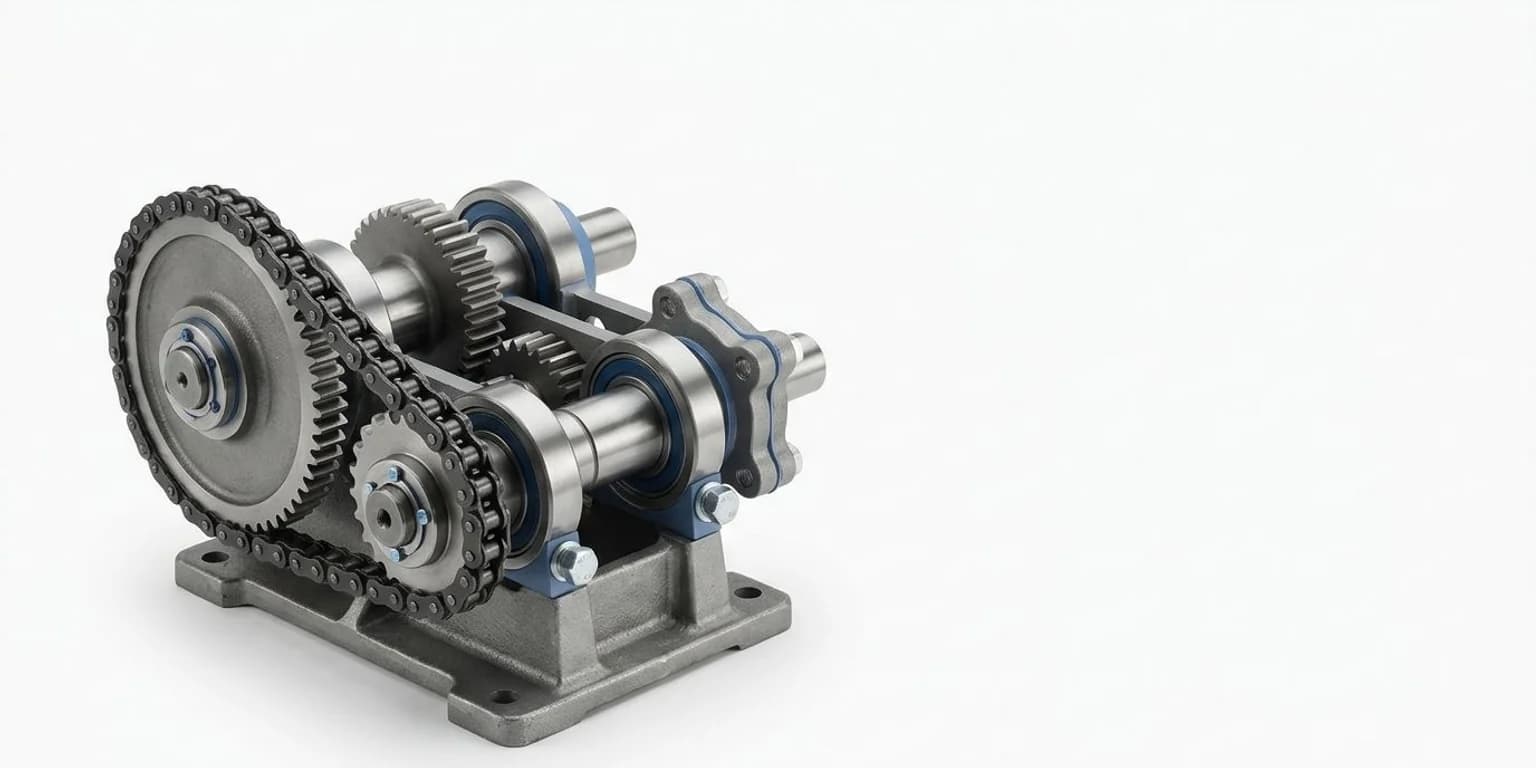
Industrial Mechanical Power Transmission
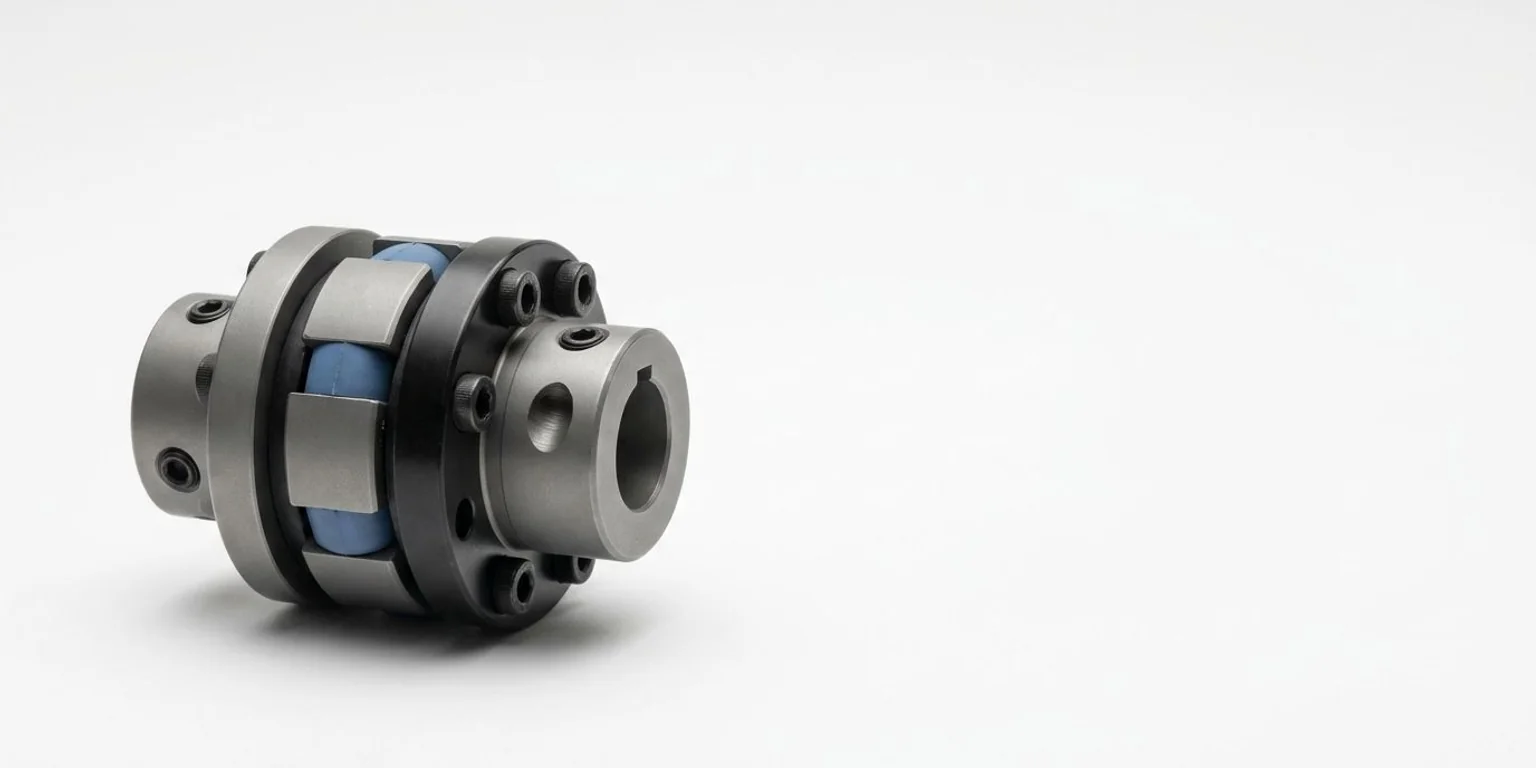
Mechanical power transmission transfers motion and power between two shafts. FIT distributes roller chains (ISO 606 standard), V-belts and synchronous belts, pulleys, sprockets, taper bushes, plain bearings and accessories from all the leading brands (SKF, Optibelt, Gates, Renold, Tsubaki). DIN/ISO standardised components for chain, belt or friction drives.

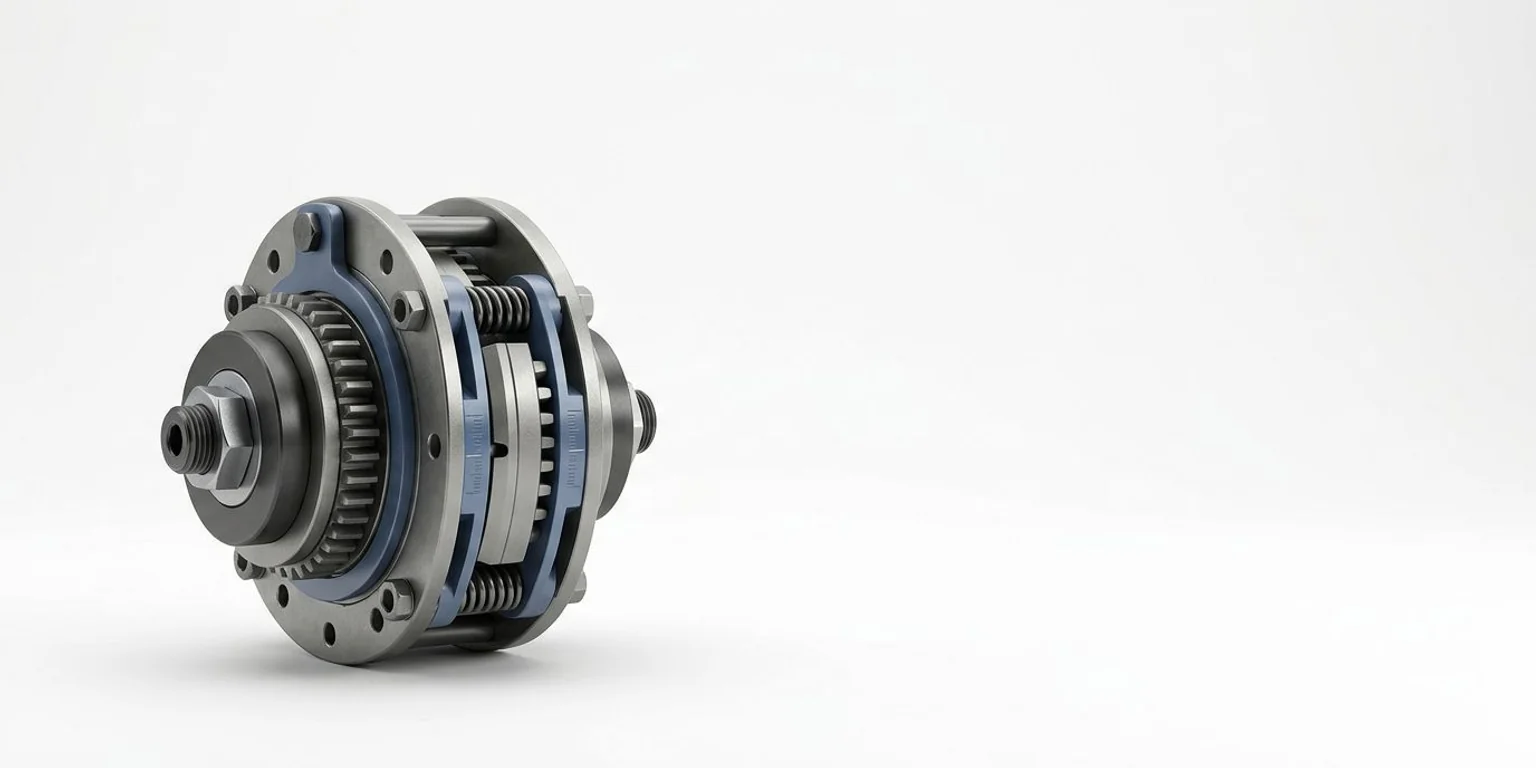
About Power Transmission
Mechanical power transmission is designed around three main families: chain drives (positive high-load transmission), belt drives (V-belts or synchronous belts) and gear drives. The choice depends on the power to be transmitted, the reduction ratio, the centre distance, accuracy and noise level.
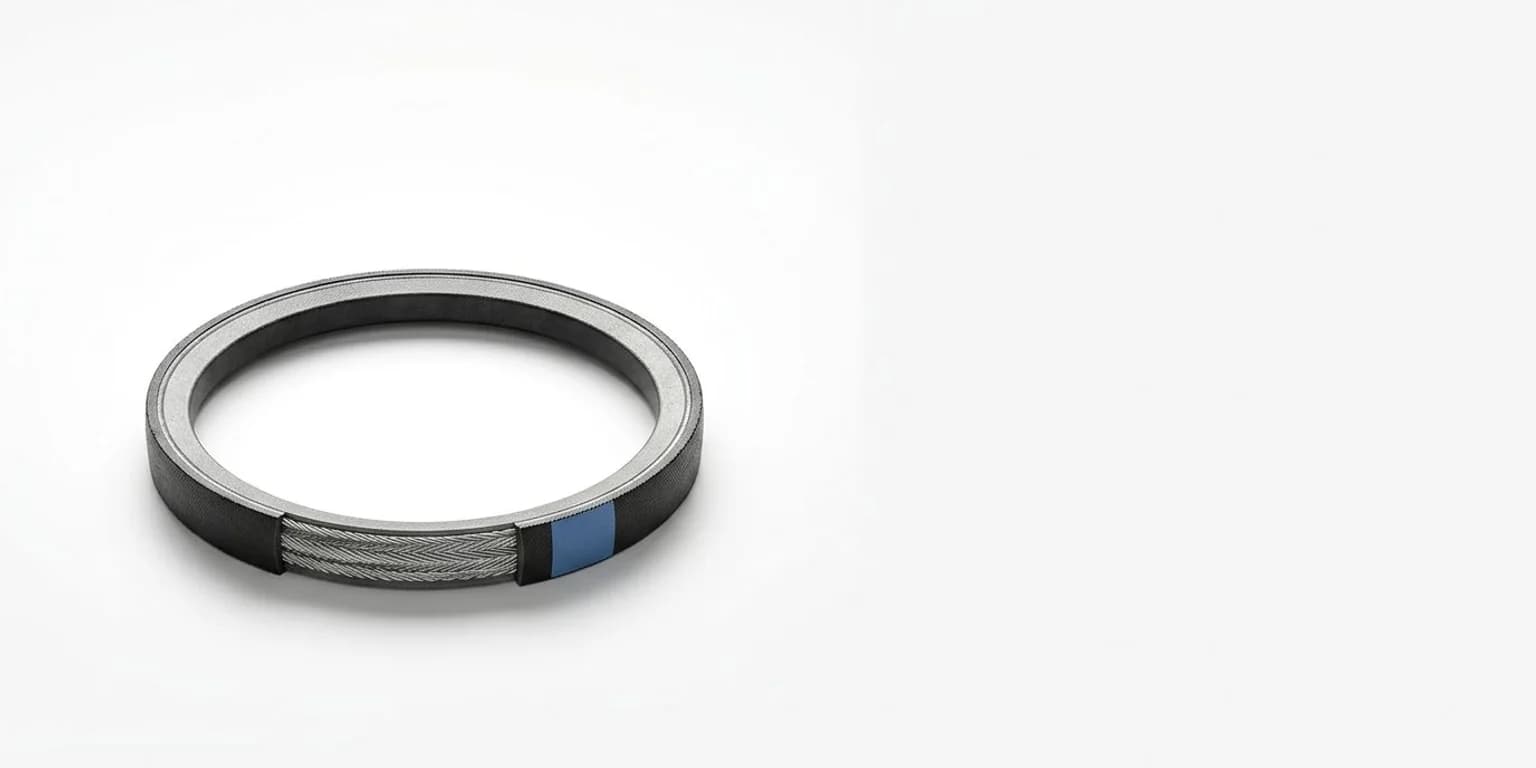
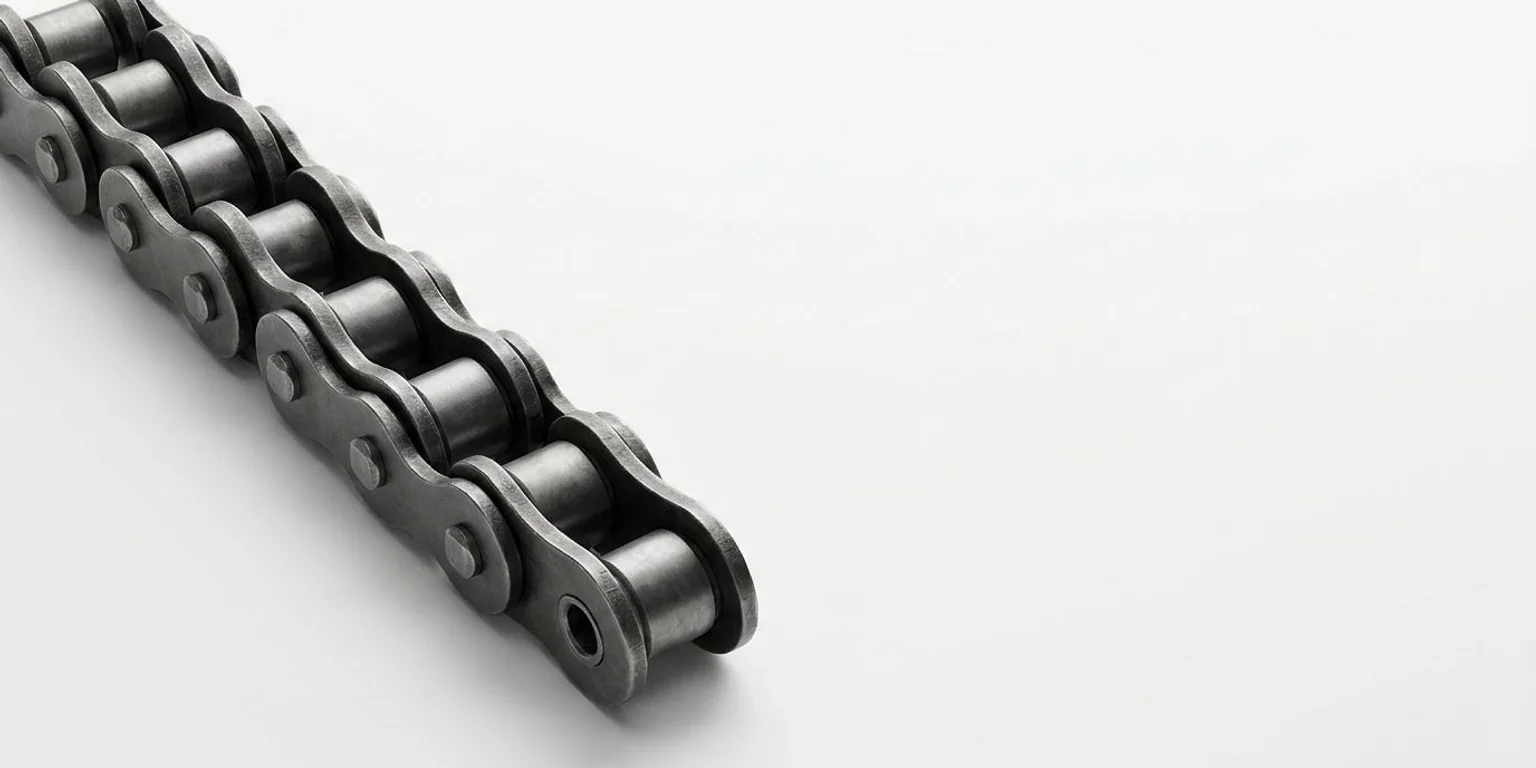
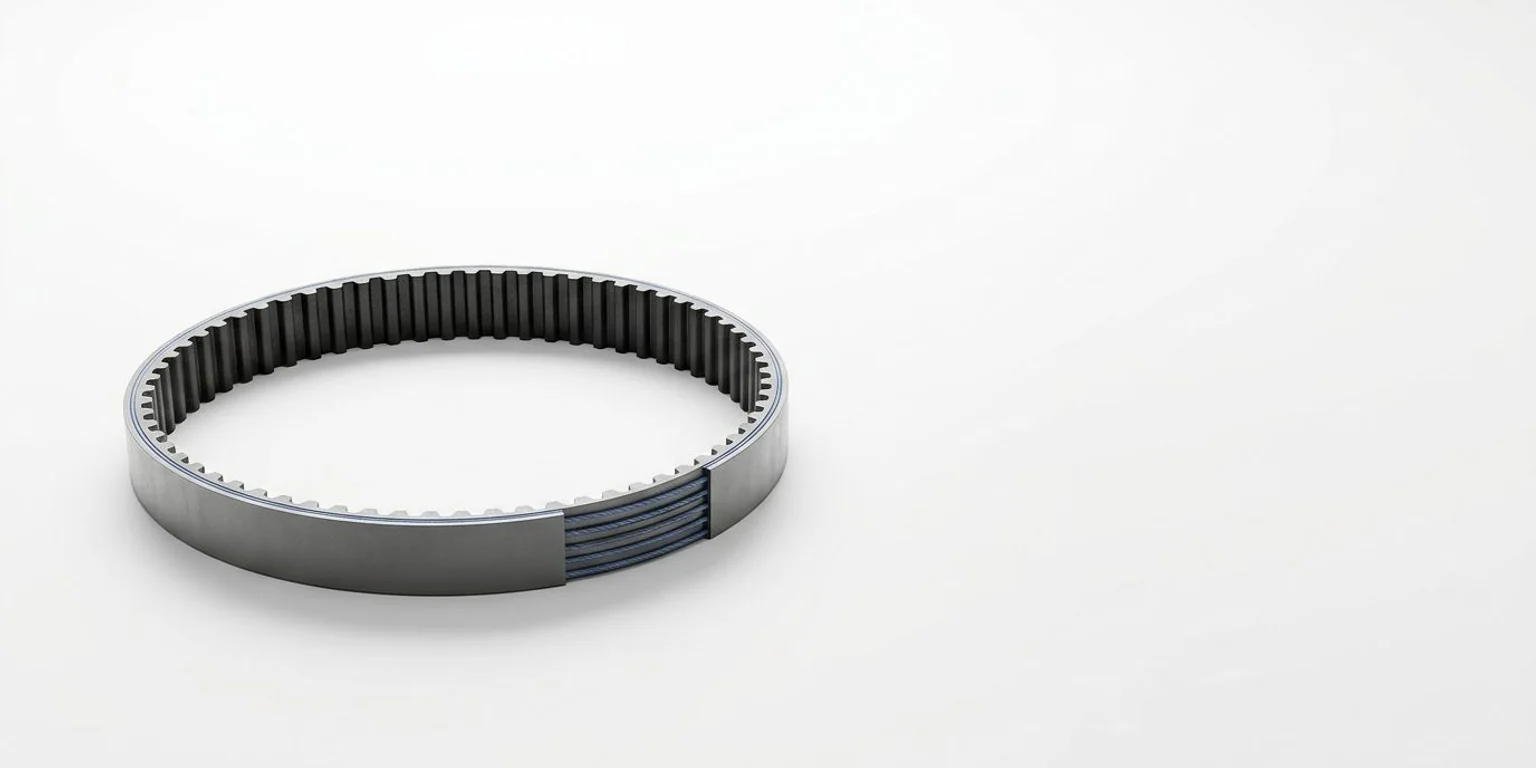
ISO 606 roller chains (European series 06B to 24B, American series 35 to 240) cover power ratings from a few kW up to several hundred, with regular maintenance through lubrication. Synchronous belts (HTD, STD, AT and GT profiles) eliminate slip and are suitable for drives requiring synchronism (axis controls, timing applications). V-belts (sections SPZ, SPA, SPB, SPC to DIN 7753) provide better tolerance to overloads and dampen pulsations.
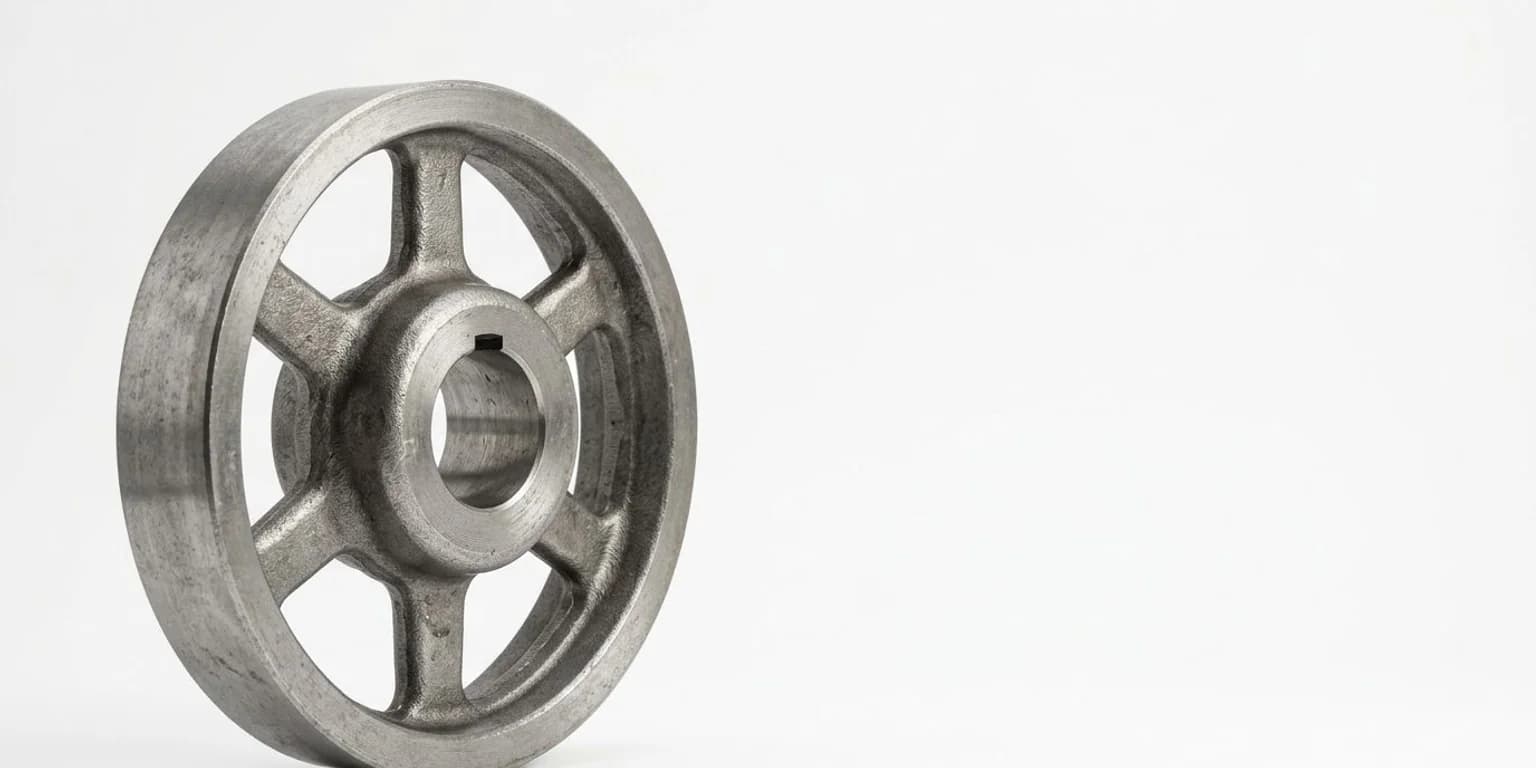
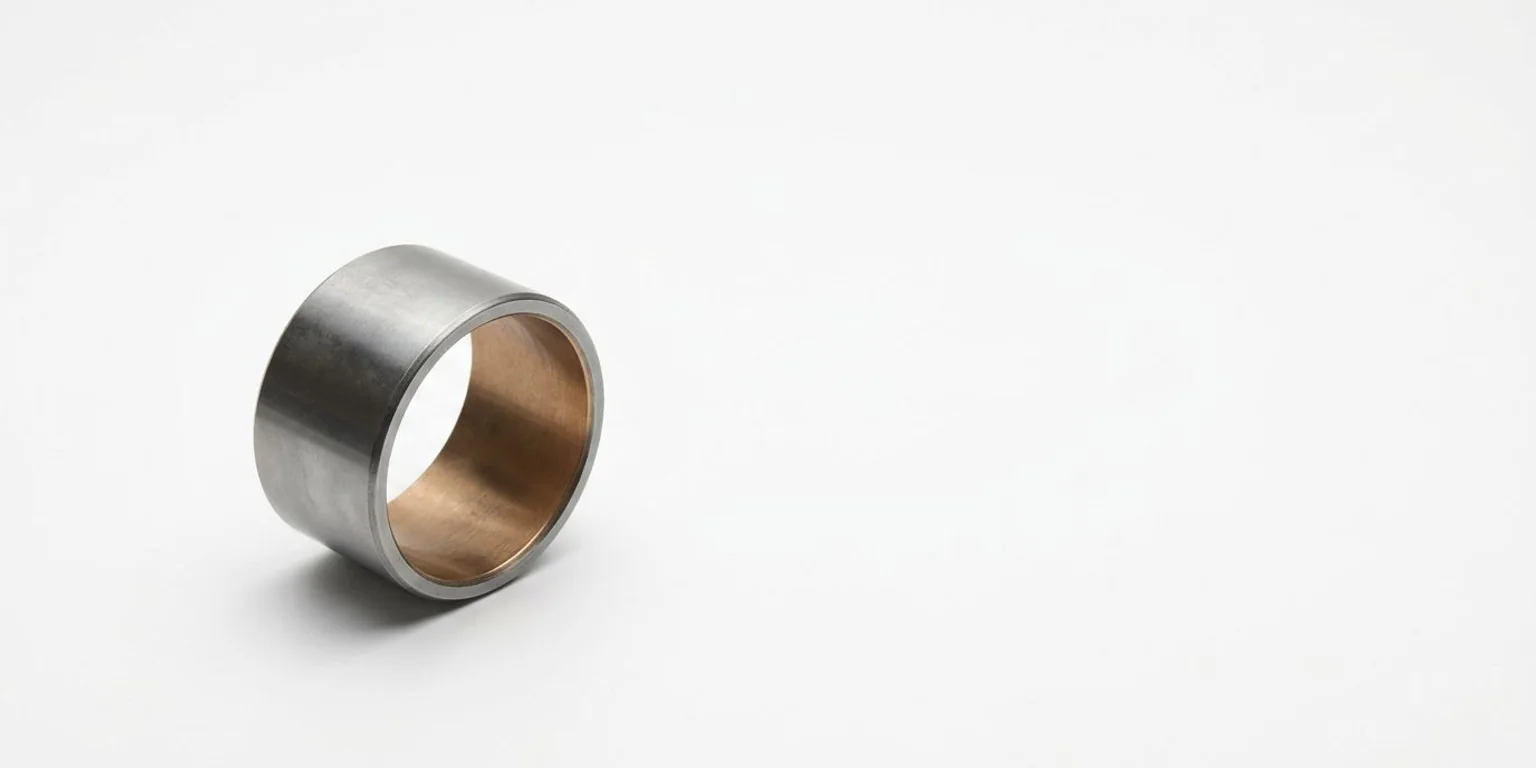
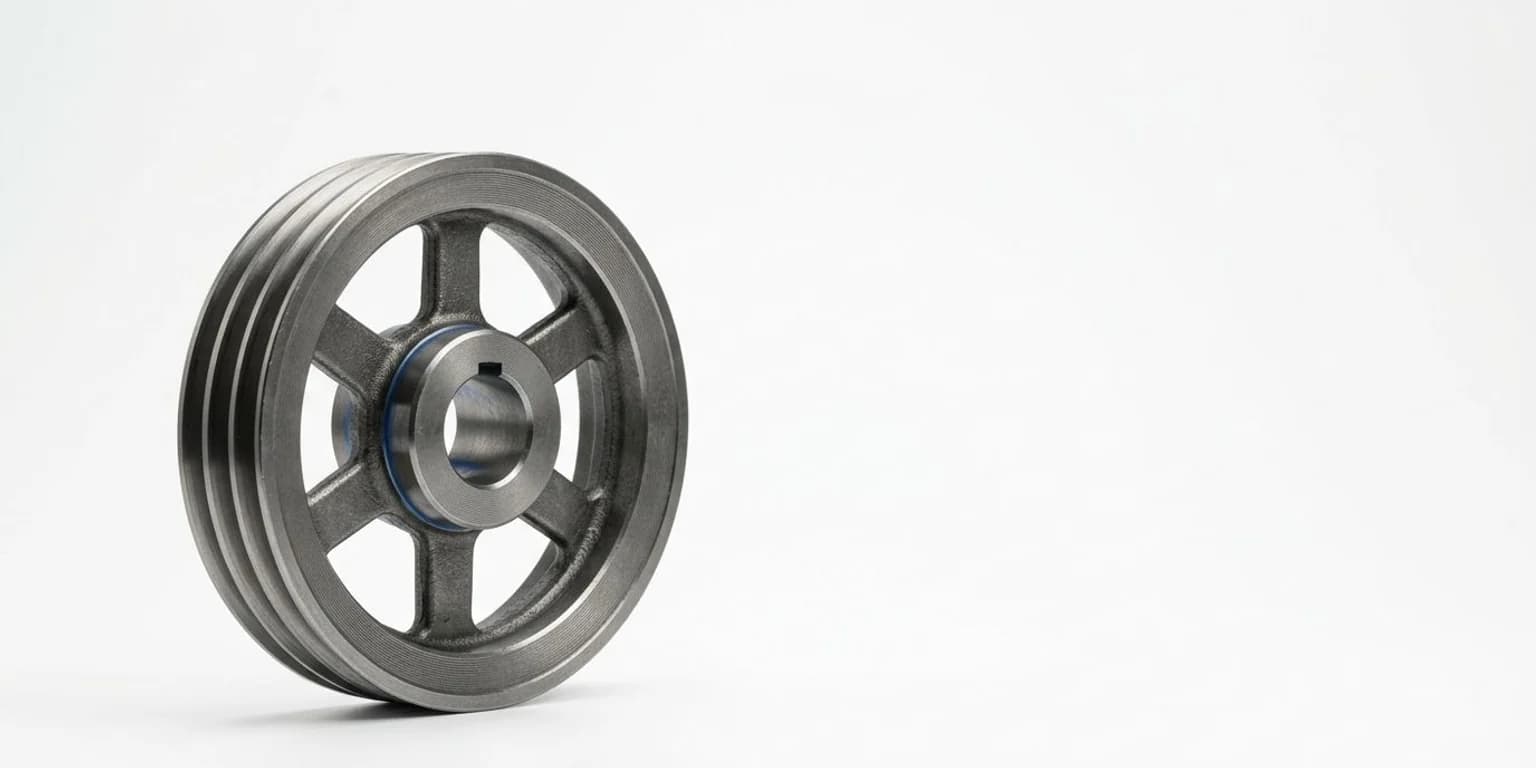
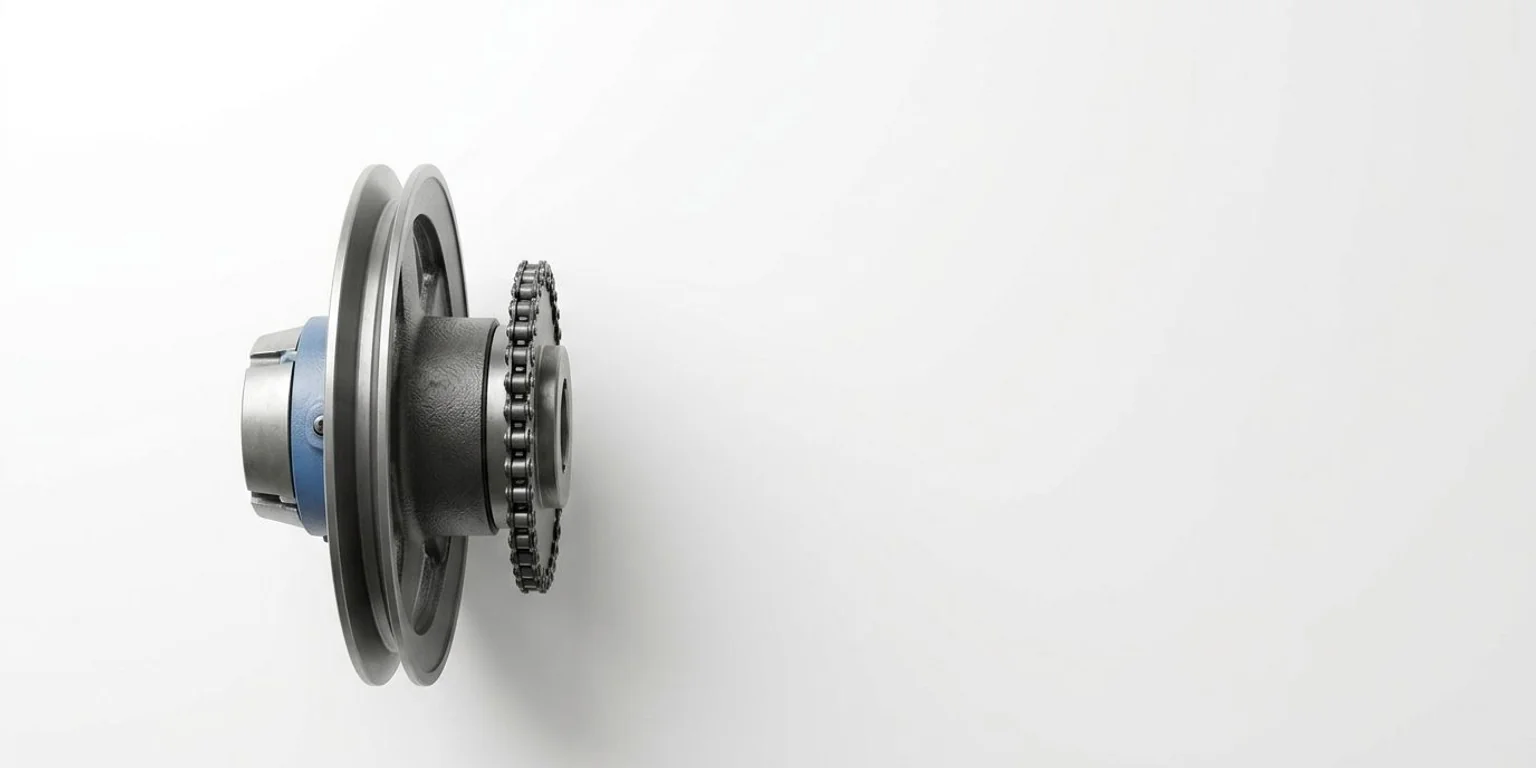
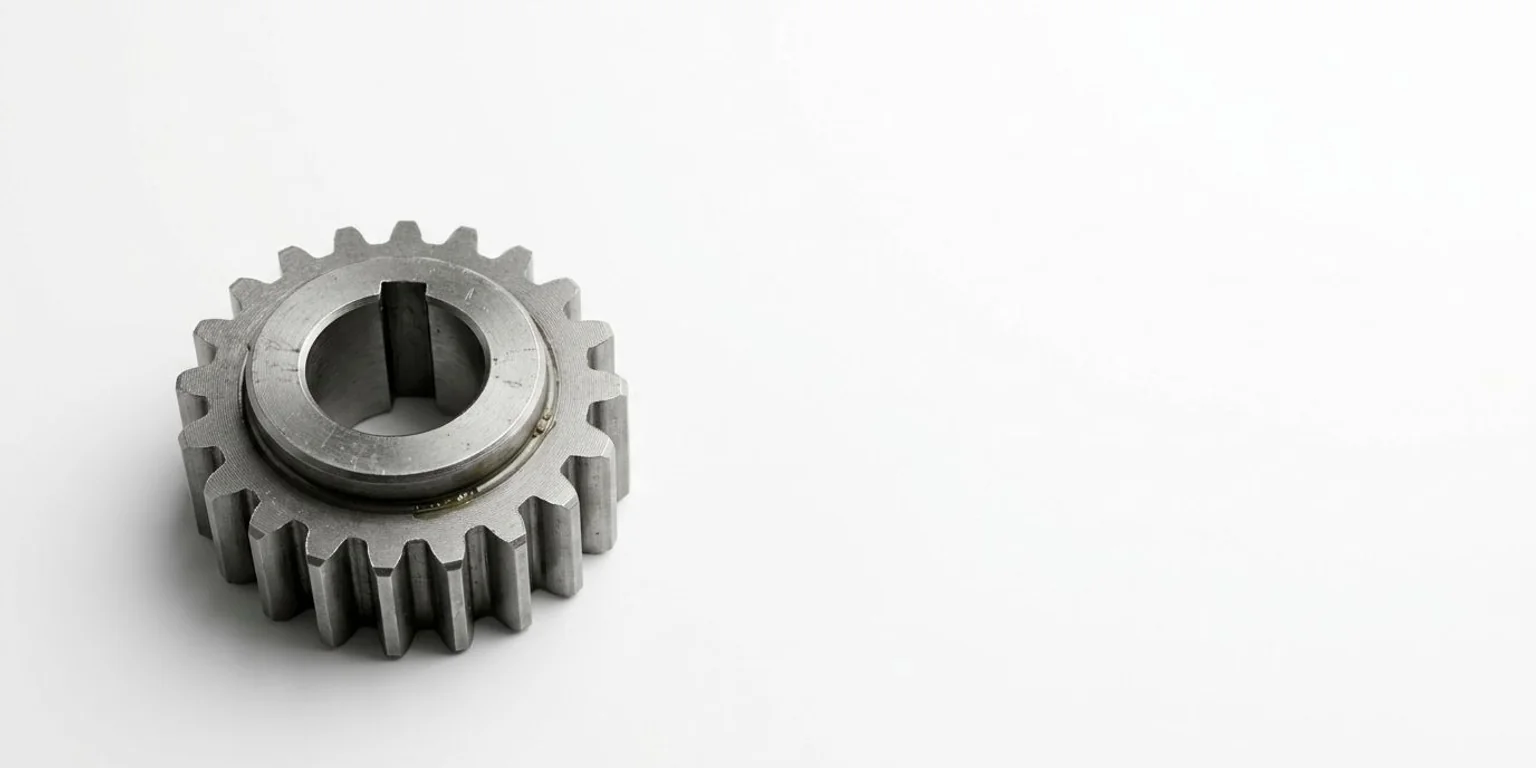
Pulleys and sprockets are mounted on the shaft via parallel key (DIN 6885), Taper Lock bush (series 1008 to 5050) or clamping sleeve. The taper bush allows easy dismantling and refitting without a puller. Self-lubricating plain bearings (sintered bronze, PTFE polymer, steel-bronze composite) replace rolling bearings in low-speed and oscillating-load applications. For long-life drives, fit laser alignment and an automatic belt tensioner.
Frequently asked questions — Power Transmission
How do I choose between a chain drive and a belt drive?
The choice depends on the nature of your mechanical application. Chain drives, particularly ISO 606 roller chain models, are suited to positive high-load transmissions requiring great robustness. Conversely, if your installation requires zero slip, choose a synchronous toothed belt. V-belts to DIN 7753 are preferable for their ability to dampen pulsations and better tolerate overloads during operation.When should a plain bearing be used rather than a rolling bearing?
The plain bearing, or sliding bearing, is recommended for specific applications at low speed or supporting oscillating loads. Unlike rolling elements, it operates through sliding contact and is available in self-lubricating sintered bronze versions (DIN ISO 4379), steel-bronze-PTFE composite or engineering polymers. These solutions are particularly suitable for dirty environments where simple design and resistance to sliding wear are required.What are the advantages of Taper Lock type fastening systems?
Taper Lock bushes, available in series 1008 to 5050, optimise maintenance of components in the Pulley - Bush - Sprocket category. This device allows rapid mounting and dismantling on the rotating shaft without using a puller. This solution thus considerably simplifies technical interventions compared with traditional mounting via parallel key to DIN 6885, while ensuring a reliable connection for your chain or belt drives.What criteria ensure the longevity of a drive system?
Durability depends on the initial design and rigorous maintenance. For an ISO 606 chain drive, regular lubrication is essential to maintain the power transmitted. For belt systems, fitting an automatic tensioner and precise alignment control, ideally by laser alignment, are recommended. Compliance with mounting specifications via components from the Pulley - Bush - Sprocket family is also decisive in preventing premature wear of the entire mechanical system.Which solution should be preferred for a drive requiring perfect synchronism?
For axis controls or timing systems requiring full synchronism, synchronous belts are the appropriate technical solution. These, fitted with specific profiles such as HTD, STD, AT or GT, eliminate the slip inherent in friction drives. They thereby ensure constant accuracy between rotating shafts, unlike V-belts which, although effective for power transmission, do not guarantee the same precision of motion timing.
Power Transmission category
Belt
Belt accessory
T18 chain
Timing belt
V-belt
V-belt
V-belt
Belt and pulley
Belt pulleys
Belt pulley
Pulley and belt
Pulley belt