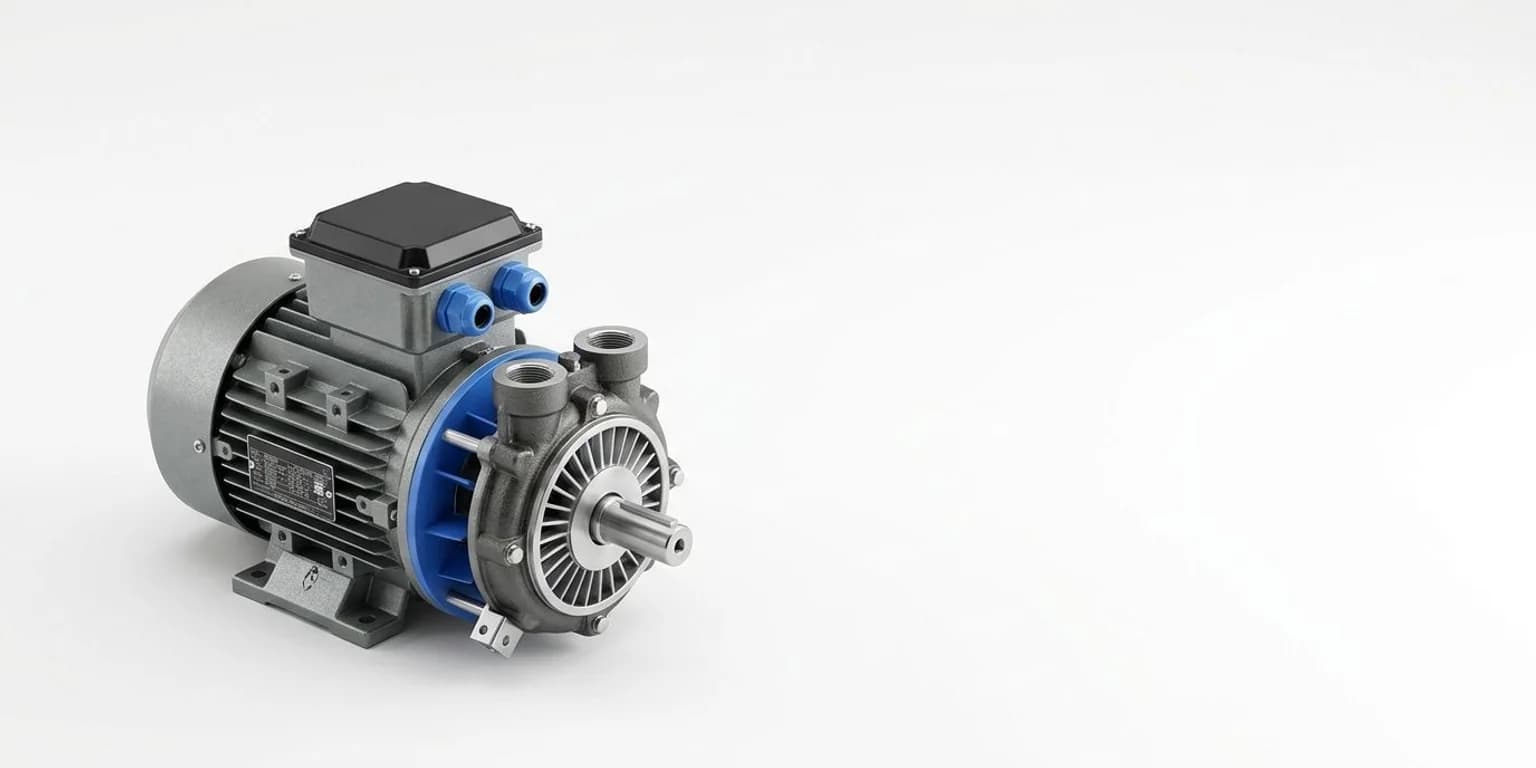
Industrial Electromechanical Components
Electromechanics converts electrical energy into mechanical motion. FIT distributes asynchronous and brushless electric motors, geared motors (worm gear, spur gear, planetary), electromagnetic brakes, clutches and associated components from SEW, Nord, Siemens, ABB, Bonfiglioli. Compliant with IEC 60034, IE3/IE4 efficiency classes, IP55 to IP66 protection ratings.
About Electromechanical
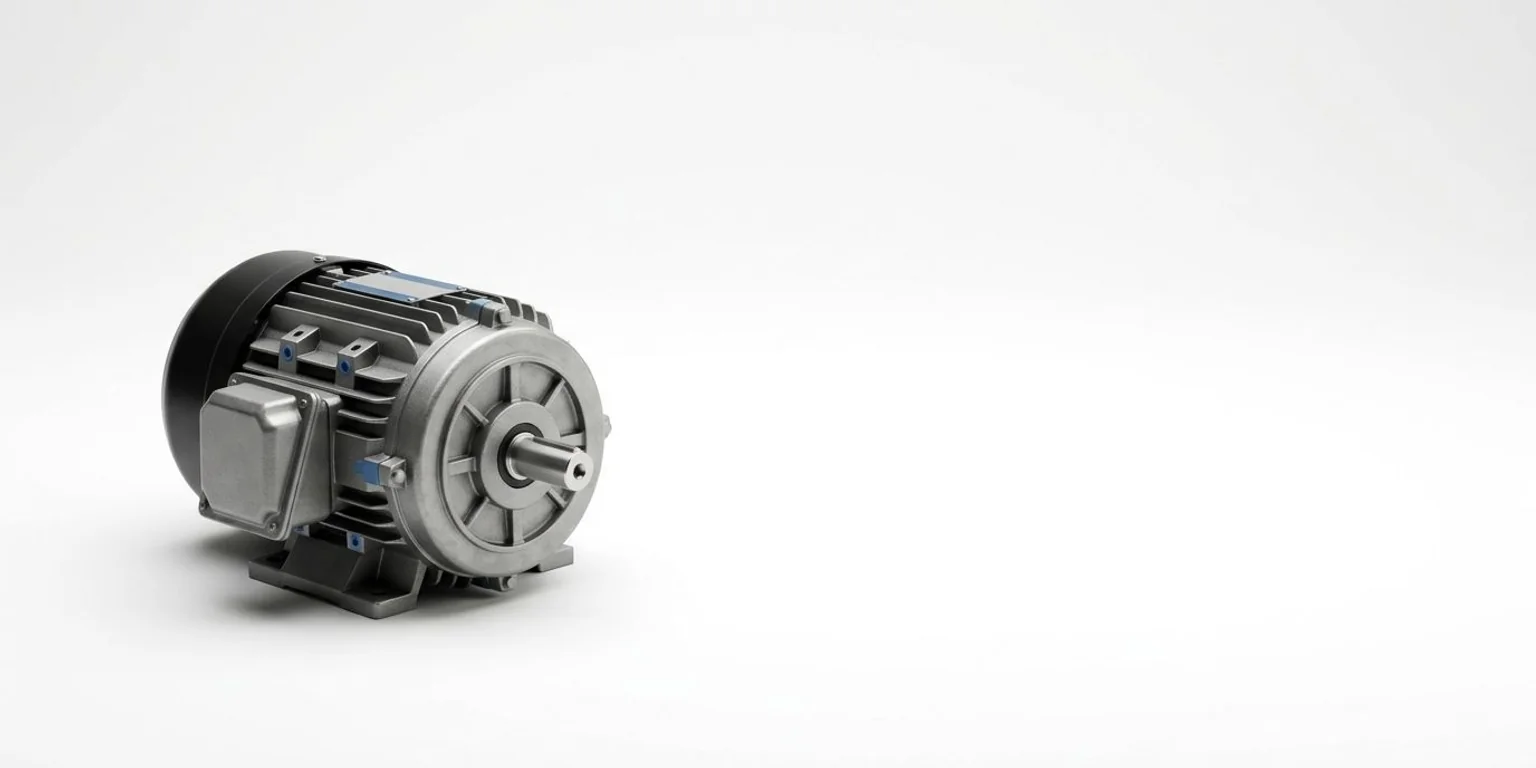
Electromechanics provides the drive system for the majority of industrial machinery. The three-phase asynchronous motor remains the benchmark for constant power: robust, cost-effective, with direct starting or via a variable speed drive. The IEC 60034-30 efficiency classes (IE3 mandatory, IE4 and IE5 premium) have replaced the former Eff designations. Power is defined in kW, and synchronous speed by the frequency and number of poles (1,500 rpm for 4 poles at 50 Hz).
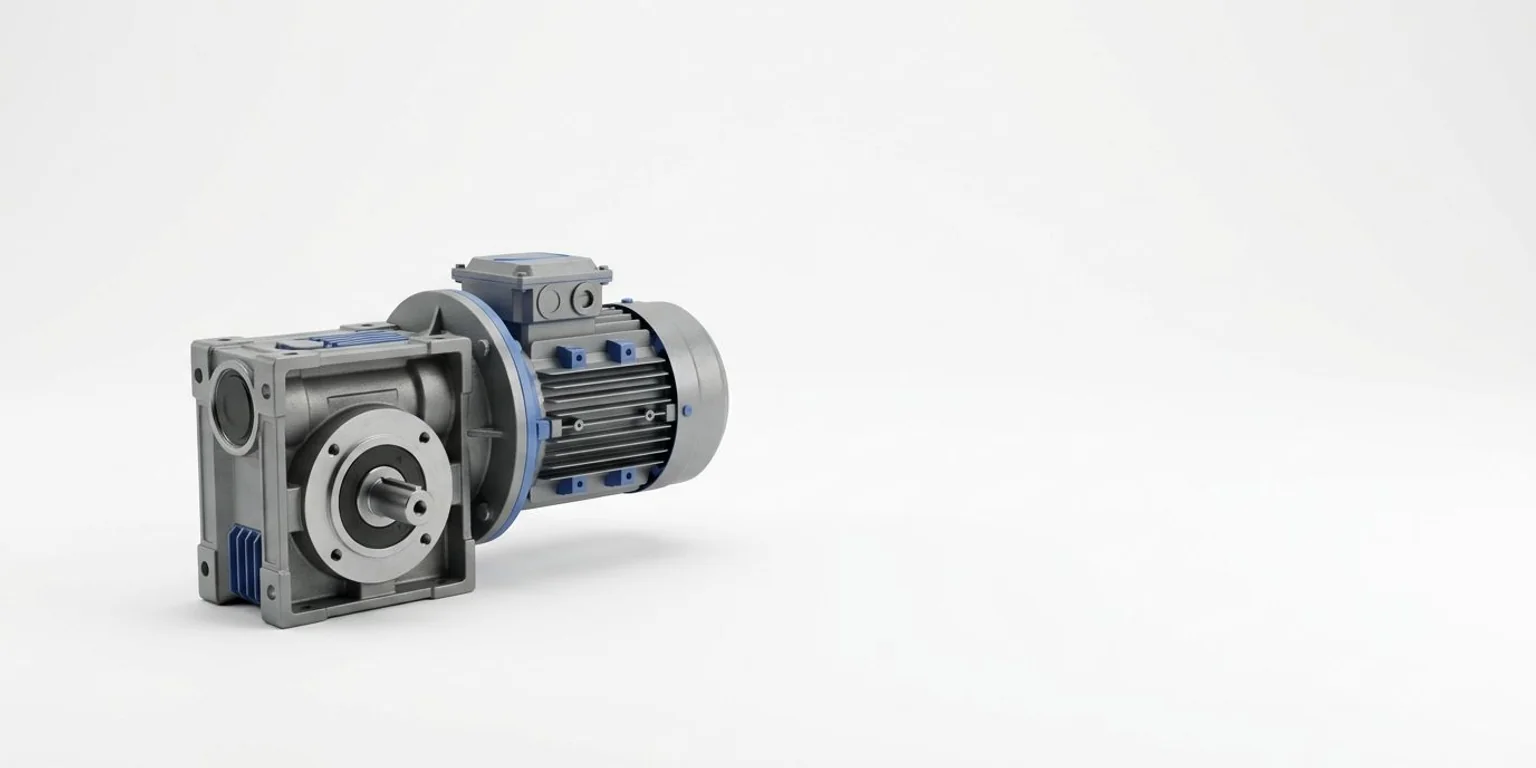
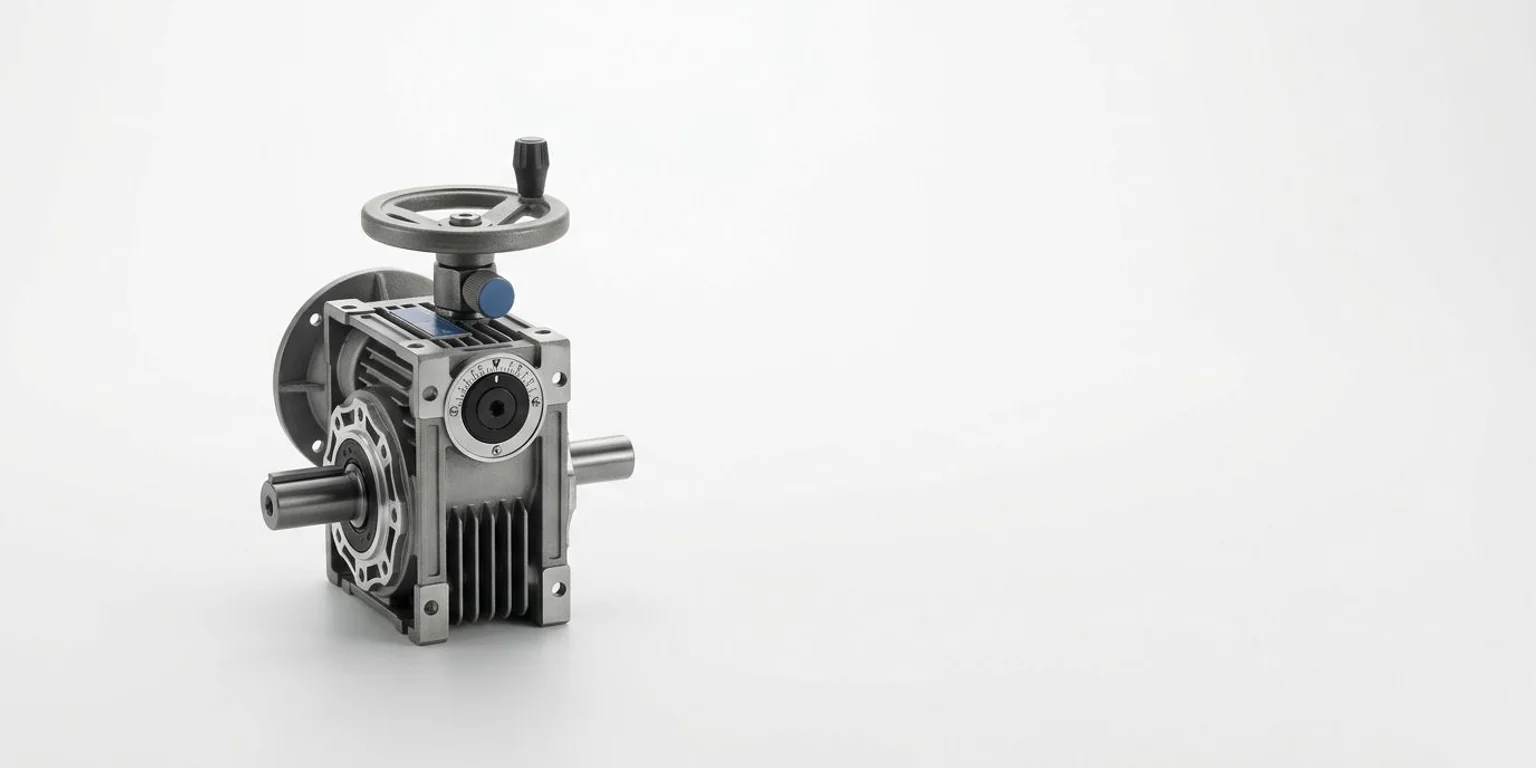
For applications requiring precise torque at low speed, the geared motor is the preferred choice. Worm gear reducers (high ratios from 5:1 to 100:1, perpendicular shafts) are suited to lifting and conveying. Coaxial or parallel spur gear reducers offer better efficiency (97% vs 70-85% for worm gears). Epicyclic planetary reducers achieve high torque in a very compact footprint, making them the preferred option for servo-controlled axes.
Brushless (BLDC) and permanent magnet synchronous motors deliver high torque at low speed with efficiency exceeding 95%. Coupled with a vector drive, they enable precise positioning and torque regulation, essential for robotic axes.
Electromagnetic brakes fall into two families: power-off brakes (fail-safe, braking on power loss) or power-on brakes (braking on energisation). The nominal torque should be selected with a safety factor of 1.5 to 2 relative to the motor torque. IP55, IP65 or IP66 ratings determine resistance to water and dust according to the operating environment.
Frequently asked questions — Electromechanical
Which technology should I choose for an application requiring precise torque at low speed?
For applications requiring precise torque control at low speed, the geared motor is the recommended solution. In this case, worm gear reducers provide high ratios ranging from 5:1 to 100:1 with perpendicular shafts, while epicyclic planetary reducers are preferred for achieving high torque in a compact footprint, particularly on servo-controlled axes. The choice between these technologies will depend on your space constraints and the torque precision required for your industrial application.How do I distinguish between the different types of reducers for my conveyor?
The choice between reducers depends primarily on the desired efficiency. Coaxial or parallel spur gear reducers offer optimal efficiency reaching 97%. Conversely, worm gear reducers achieve efficiency between 70% and 85% but stand out for their ability to handle high reduction ratios on perpendicular shafts, making them suitable for the specific demands of lifting and conveying in industrial environments.What are the advantages of three-phase asynchronous motors compared with other technologies?
The three-phase asynchronous motor remains the benchmark for constant power requirements in industry. It is valued for its robustness, cost-effectiveness and flexible implementation, allowing direct starting or operation via a variable speed drive. Its performance is now governed by the IEC 60034-30 efficiency classes, mandating the IE3 standard with premium IE4 and IE5 options, replacing the former Eff designations.When should I opt for a brushless or permanent magnet synchronous motor?
Brushless and permanent magnet synchronous motors are essential when seeking precise positioning and effective torque regulation, typically on robotic axes. These motors deliver high torque at low speed with efficiency exceeding 95%. To guarantee optimal performance, they must be coupled with a vector drive suited to these advanced technologies.How do I size an electromagnetic brake for a safe installation?
Sizing an electromagnetic brake must respect a safety factor between 1.5 and 2 relative to the nominal motor torque. It is also important to distinguish the operating mode: power-off brakes provide fail-safe operation by braking on power loss, while power-on models brake on energisation. The protection rating, ranging from IP55 to IP66, must be selected according to the environmental constraints of exposure to water or dust.