KTR
RUFLEX 00 605005000000
KTR Rondelle belleville grandeur 00
Sur devisRéponse sous 24 h ouvrées
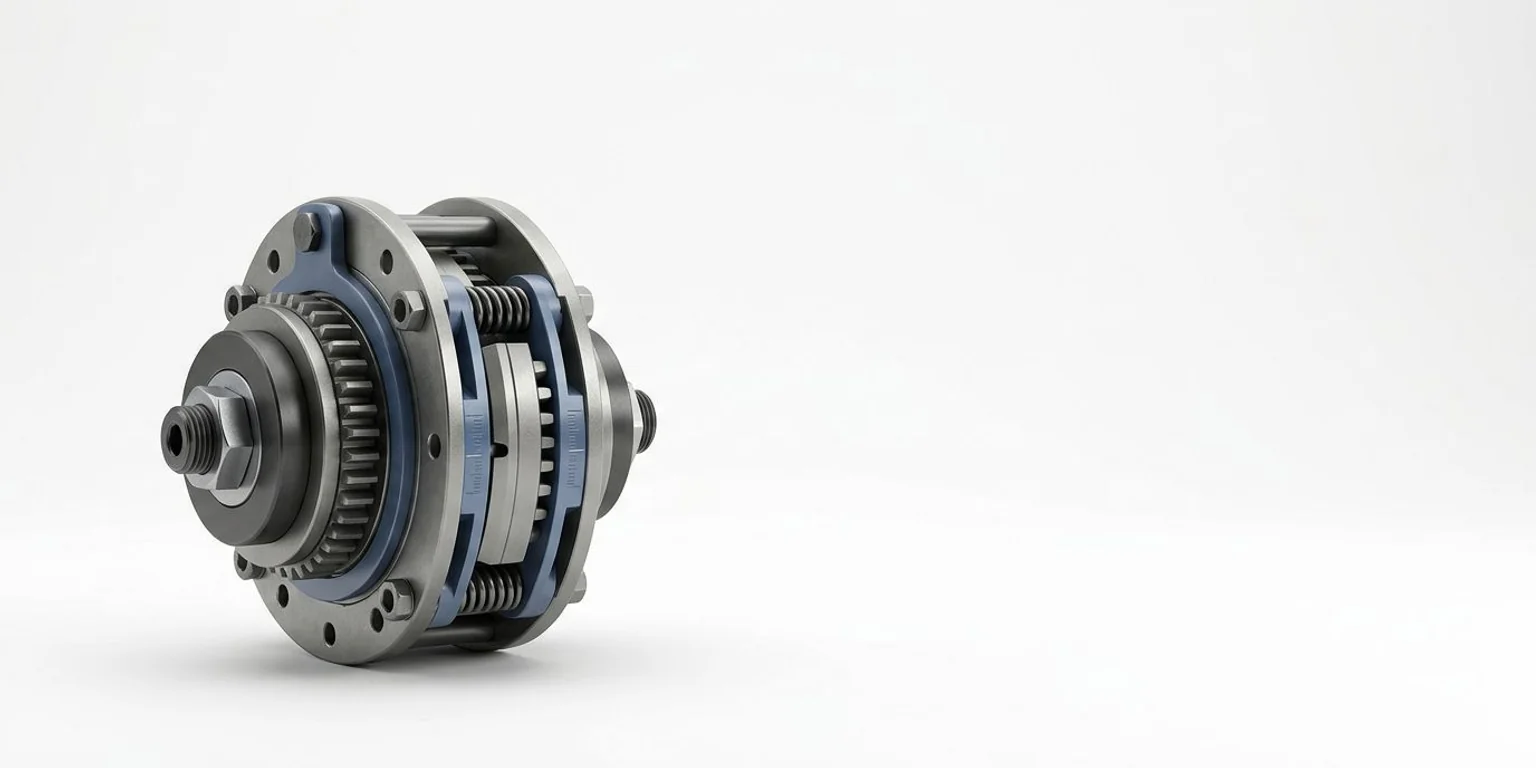
The torque limiters in the MecaIndus range protect transmission mechanisms against accidental overloads. These mechanical devices, available in various configurations, allow the drive to be disengaged from the load as soon as the defined torque is exceeded. Their integration into a kinematic chain preserves the integrity of the components in the event of jamming or excessive resistance occurring during normal operation of industrial installations.
Affichage 1–24 sur 45 références
RUFLEX 00 605005000000
RUFLEX 00 605002000000
RUFLEX 00 605001000000
RUFLEX 00 605000400040
RUFLEX 8 600802000000
RUFLEX 00 605000100040
RUFLEX 8 600801000000
RUFLEX 7 600702000000
RUFLEX 7 600701000000
RUFLEX 6 600605000000
RUFLEX 6 600602000000
RUFLEX 6 600601000000
RUFLEX 5 600505000000
RUFLEX 5 600502000000
RUFLEX 5 600501000000
RUFLEX 4 600405000000
RUFLEX 4 600402000000
RUFLEX 4 600401000000
RUFLEX 4 600400200040
RUFLEX 4 600400000040
RUFLEX 3 600305000000
RUFLEX 3 600302000000
RUFLEX 3 600301000000
RUFLEX 3 600300200040
The MecaIndus catalogue lists KTR torque limiters suited to the constraints of mechanical transmissions. Depending on the specifics of the installation, these limiters can be integrated through various typologies, including star models, variants for couplings, or versions dedicated to chain and belt drives. The choice of device is based on a precise analysis of the required release torque, the type of mechanical connection and the operating environment. The selection must take into account the overall dimensions, compatibility with adjacent transmission components such as sprockets, and the nature of the transmitted loads to guarantee optimal responsiveness of the safety mechanism.
In addition to these elements, the design must incorporate the specifics related to the type of transmission used. When a torque limiter is paired with pulley systems for V-belts or synchronous belts, the technical recommendations regarding alignment and tensions must be observed, referring where appropriate to ISO 4183, ISO 5296 or DIN 2211. Likewise, for applications involving chain drives, the installation must comply with the recommendations of ISO 606. A rigorous assessment of these technical criteria, coupled with appropriate maintenance, ensures constant protection of equipment against breakages caused by load peaks, whilst maintaining the performance of the transmission system within the nominal operating ranges defined by the designer.
Affichage 1–24 sur 45 références
RUFLEX 00 605005000000
RUFLEX 00 605002000000
RUFLEX 00 605001000000
RUFLEX 00 605000400040
RUFLEX 8 600802000000
RUFLEX 00 605000100040
RUFLEX 8 600801000000
RUFLEX 7 600702000000
RUFLEX 7 600701000000
RUFLEX 6 600605000000
RUFLEX 6 600602000000
RUFLEX 6 600601000000
RUFLEX 5 600505000000
RUFLEX 5 600502000000
RUFLEX 5 600501000000
RUFLEX 4 600405000000
RUFLEX 4 600402000000
RUFLEX 4 600401000000
RUFLEX 4 600400200040
RUFLEX 4 600400000040
RUFLEX 3 600305000000
RUFLEX 3 600302000000
RUFLEX 3 600301000000
RUFLEX 3 600300200040