


CIR
D21 08B1
CIR DISQUE ACIER 18 DENTS 12.7 S
Sur devisRéponse sous 24 h ouvrées
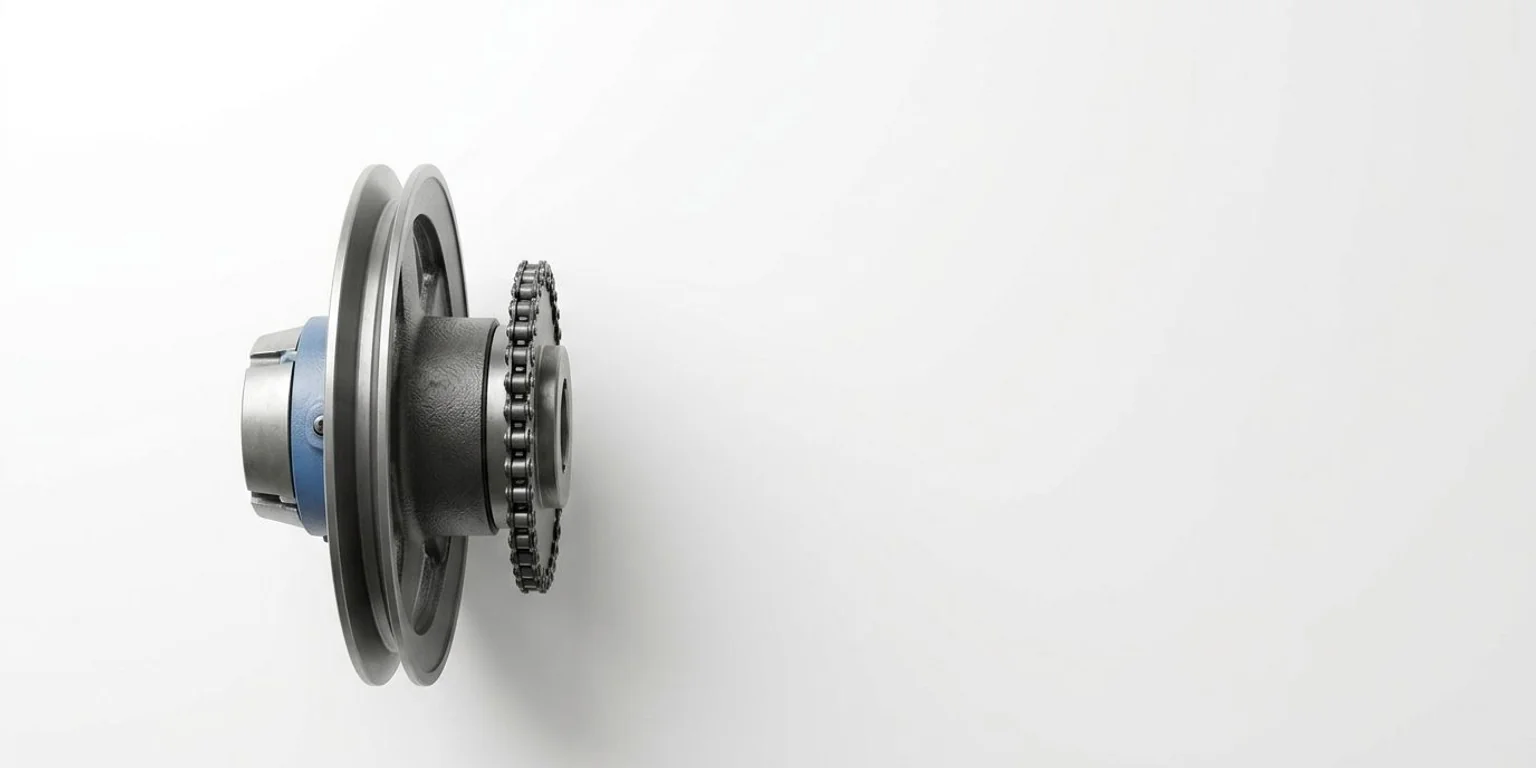
Pulleys, hubs and sprockets provide the link between chain or belt transmission and the rotating shaft. V-grooved pulleys, toothed pulleys for synchronous belts, roller sprockets for ISO 606 chains. Fixing by key, Taper Lock hub or clamping bush.
Affichage 1–24 sur 2809 références
D21 08B1
P18 10B2
CLAMPEX 087005060100
CLAMPEX 087005050090
CLAMPEX 087005040075
CLAMPEX 087005035075
CLAMPEX 087005030060
CLAMPEX 087005025055
CLAMPEX 087005020050
CLAMPEX 086205130230
CLAMPEX 086205125215
CLAMPEX 086205120197
CLAMPEX 086205110185
CLAMPEX 086205100170
CLAMPEX 086205090155
CLAMPEX 086205080141
CLAMPEX 086205075138
CLAMPEX 086205068115
CLAMPEX 086205062110
CLAMPEX 086205060110
CLAMPEX 086205055100
CLAMPEX 086205050090
CLAMPEX 086205044080
CLAMPEX 086205040080
Pulleys, hubs and sprockets form the interface between flexible transmission elements (chain, belt) and rotating shafts. Their selection is based on the geometry of the flexible element (groove profile, pitch, width) and the shaft fixing method.
Pulleys for V-belts (sections SPZ, SPA, SPB, SPC or Z, A, B, C, D) feature V-grooves matching the section. The number of grooves multiplies the transmissible power. Standard material is grey cast iron GG-20, with aluminium used for weight reduction.
Pulleys for synchronous belts HTD, STD, AT, GT, MXL/XL/L/H are toothed at the corresponding pitch. The number of teeth and the pitch define the pitch diameter. Side flanges prevent belt run-off on horizontal shafts.
Roller sprockets for ISO 606 or ANSI B29.1 chains have a tooth profile standardised to the chain pitch. The number of teeth (Z), generally ≥ 17 to prevent premature wear, determines the transmission ratio. Single, duplex or triplex strand variants are available.
The fixing method determines maintainability. Fixing by parallel key DIN 6885 — a standard, economical solution, requiring a puller for dismantling. Fixing by removable Taper Lock hub (series 1008, 1108, 1210, 1610, 2012, 2517, 3020, 3030, 3525, 3535, 4030, 4040, 4535, 5040, 5050) — quick dismantling via set screws, with an easily adaptable bore. Fixing by oil-pressure clamping bush — for large sizes. Sprockets and pulleys are generally supplied with a pilot bore, to be drilled and keyed on site.
Pulleys, Hubs and Sprockets category
Affichage 1–24 sur 2809 références
D21 08B1
P18 10B2
CLAMPEX 087005060100
CLAMPEX 087005050090
CLAMPEX 087005040075
CLAMPEX 087005035075
CLAMPEX 087005030060
CLAMPEX 087005025055
CLAMPEX 087005020050
CLAMPEX 086205130230
CLAMPEX 086205125215
CLAMPEX 086205120197
CLAMPEX 086205110185
CLAMPEX 086205100170
CLAMPEX 086205090155
CLAMPEX 086205080141
CLAMPEX 086205075138
CLAMPEX 086205068115
CLAMPEX 086205062110
CLAMPEX 086205060110
CLAMPEX 086205055100
CLAMPEX 086205050090
CLAMPEX 086205044080
CLAMPEX 086205040080