


FREUDENBERG
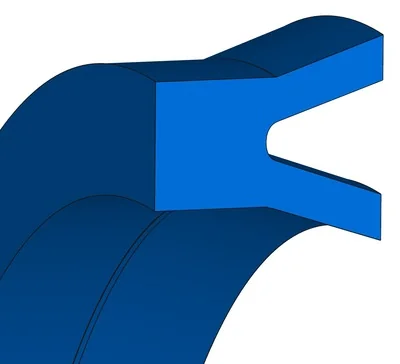
AUN120-102
FREUDENBERG AUN 120X140X15SN AU92S100
Sur devisRéponse sous 24 h ouvrées
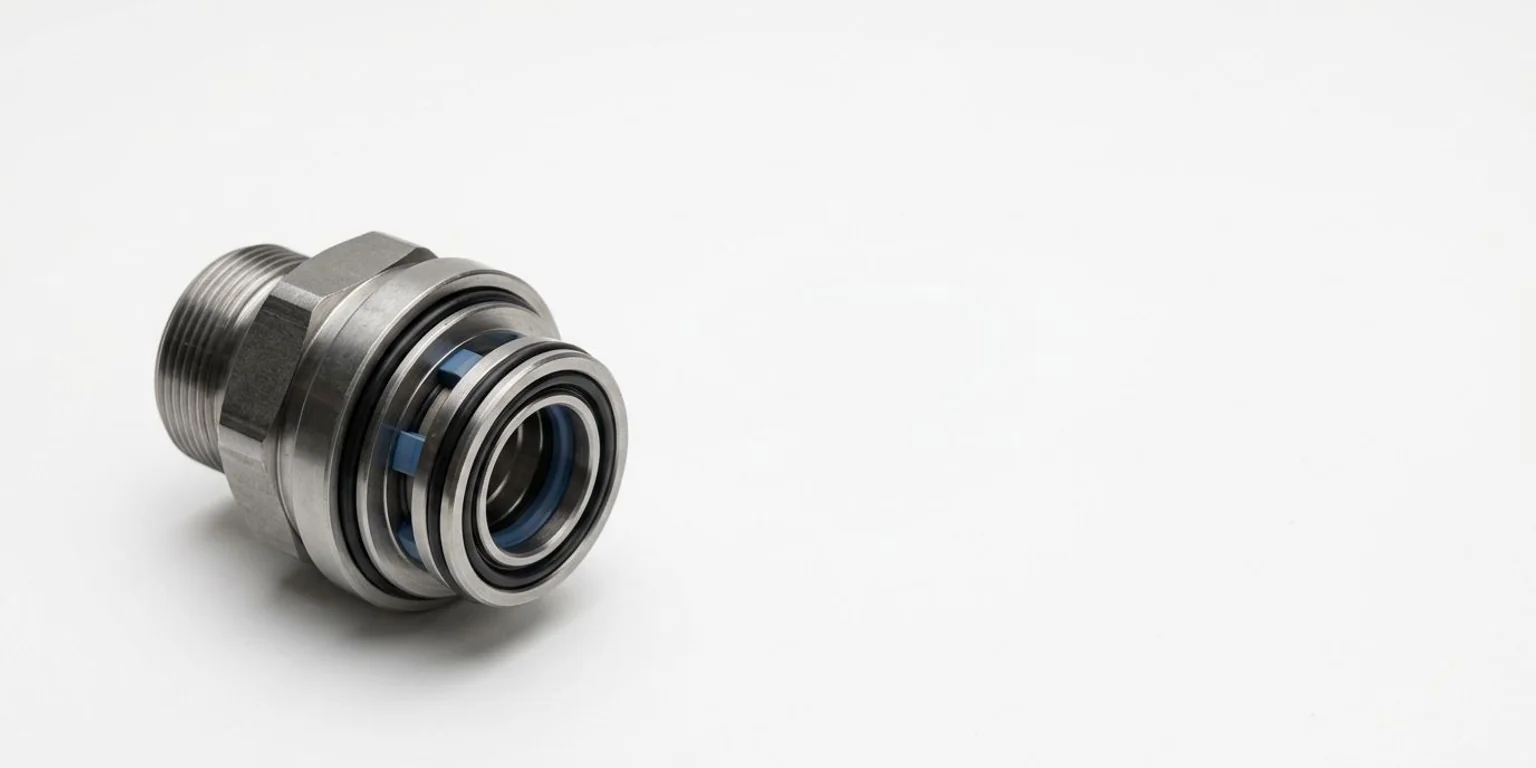
Hydraulic and pneumatic seals provide sealing for moving components in cylinders and valves. Piston seals (PT, GP), rod seals (UN, US), wipers, guide rings. Polyurethane (PU), PTFE and composite nitrile materials selected to suit pressure and fluid. ISO 6020, ISO 6022 standards.
Affichage 1–24 sur 603 références
AUN120-102
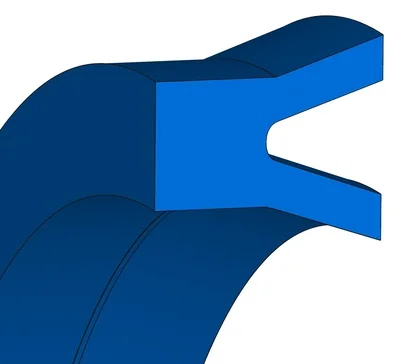
AUN200-103
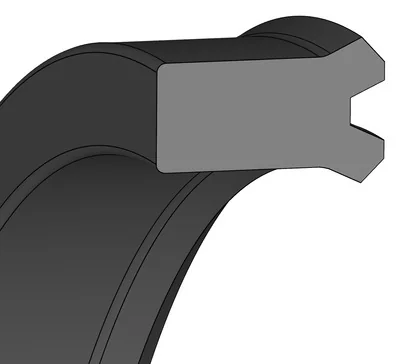
SN1071158PU
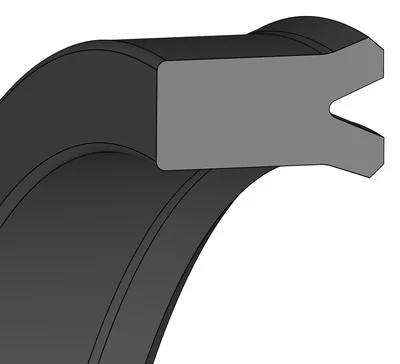
SN11013015PU
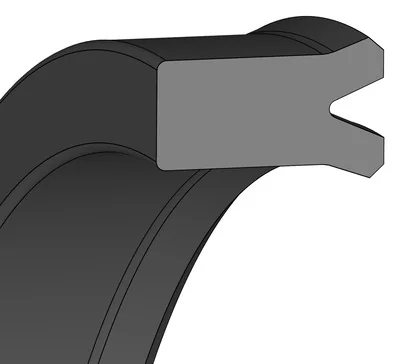
SN16286PU
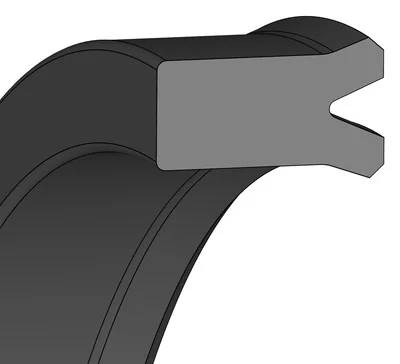
SN25358 PU
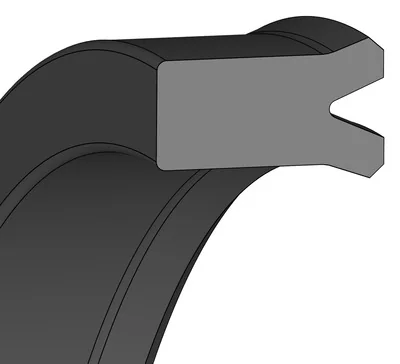
SN557010PU
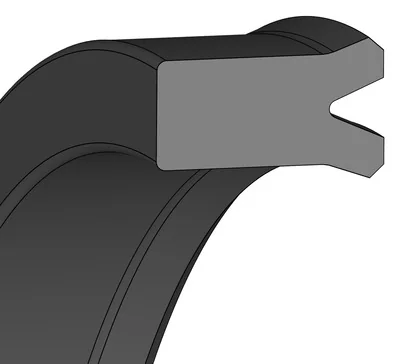
SN558012PU
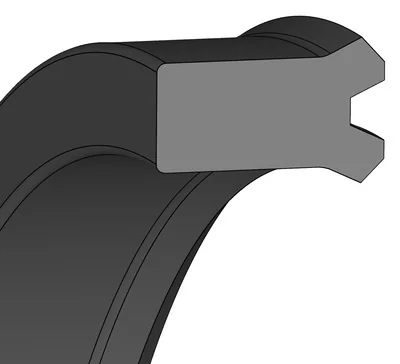
SN68768PU
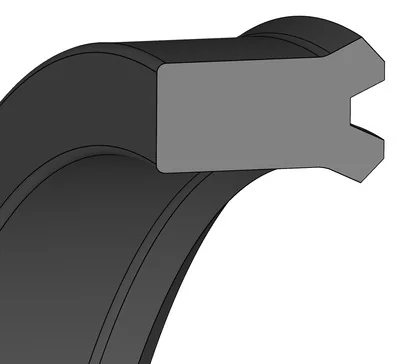
SN88968PU
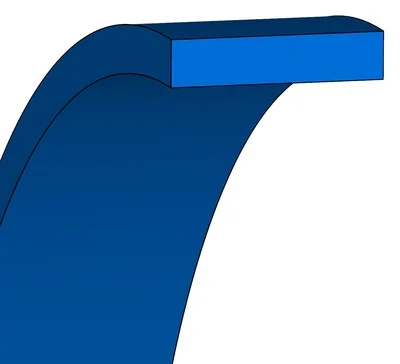
KB75709,6
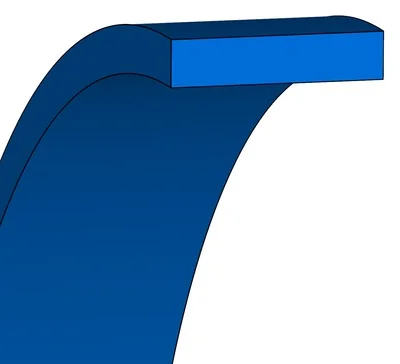
KB22021514,8
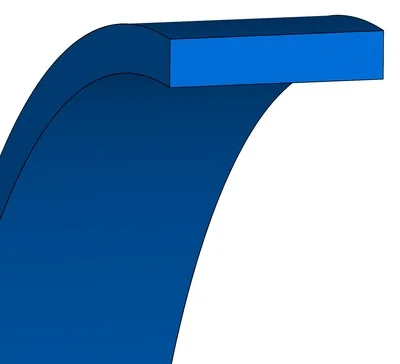
SB50555,6
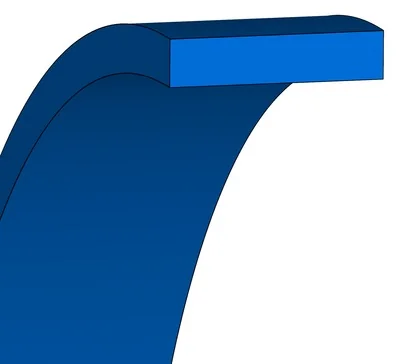
SP60659,7
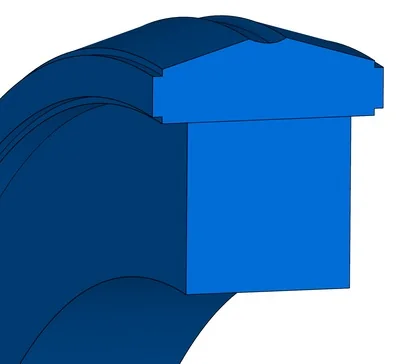
SIMKO300 D180
KK031108522,4
KK03301715,4
KK03302113,5
KK03352516,4
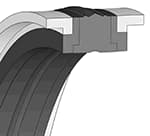
KK03604420,5
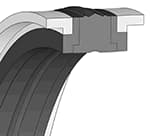
KK03604820,5
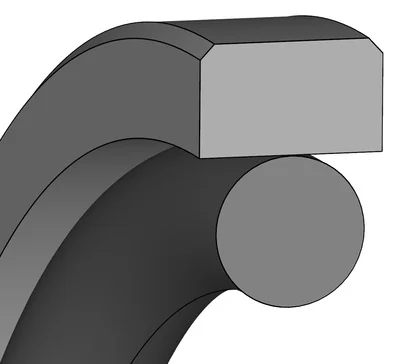
KPDE10084,56,3
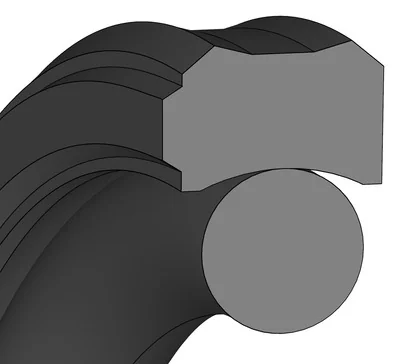
KPU703224,5 PU
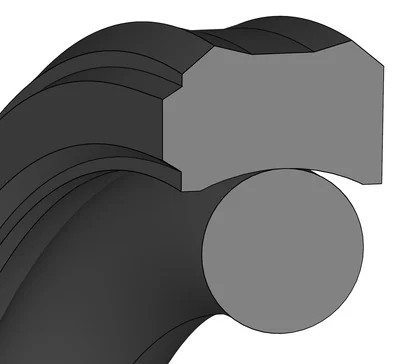
KPU704029 PU
Dynamic hydraulic and pneumatic seals are fitted to the moving components of cylinders (piston, rod) and certain valves. They provide sealing between two parts in relative motion under pressure — a more complex mechanical challenge than static sealing.
A standard hydraulic cylinder features several seals in series. The piston seal (PT, GP, K series) provides sealing between the two cylinder chambers during the stroke. Made from filled polyurethane (TPU) or rigid PTFE with an elastomer energiser, it withstands pressures of 250 to 350 bar as standard, and up to 700 bar in high-pressure versions. The rod seal (UN, US, UH series) seals the rod outlet to the outside — no leakage is permissible.
The wiper (A, SAS series) is fitted ahead of the rod seal and prevents the ingress of dust, swarf and liquids. It features a sharp-edged profile on the outer side and a flexible geometry on the inner side.
Guide rings (WR, FB series) made from sintered bronze + PTFE or polyacetal (POM) are used to centre the piston within the tube and the rod within the housing. They prevent metal-on-metal contact and absorb the radial loads arising from alignment errors or rod deflection.
In pneumatic applications, seals are subjected to lower loads (4 to 10 bar) but must tolerate very high cycling frequencies and operate dry or with minimal lubrication. NBR with reinforcing fabric remains the standard material; PTFE is used for very high speeds (>2 m/s).
Observing the bearing surface roughness (Ra 0.2 to 0.4 µm on the rod, Ra 0.8 to 1.6 µm on the cylinder) is decisive for service life. Any straightness defect or impact on the rod will destroy the seals within a few cycles.
Affichage 1–24 sur 603 références
AUN120-102
AUN200-103
SN1071158PU
SN11013015PU
SN16286PU
SN25358 PU
SN557010PU
SN558012PU
SN68768PU
SN88968PU
KB75709,6
KB22021514,8
SB50555,6
SP60659,7
SIMKO300 D180
KK031108522,4
KK03301715,4
KK03302113,5
KK03352516,4
KK03604420,5
KK03604820,5
KPDE10084,56,3
KPU703224,5 PU
KPU704029 PU